Tree removal becomes unavoidable when trees begin threatening the safety of your home and surrounding property. Many homeowners first notice subtle warning signs, such as uneven growth or recurring debris issues. Over time, those small indicators often connect to deeper structural or root-related concerns. Weather events, aging trees, and poor placement can accelerate these risks. Knowing when tree removal protects your home allows you to respond confidently before damage becomes unavoidable.
Why Tree Removal Decisions Start Before Risk Appears
Tree removal rarely starts with a sudden emergency, even though many homeowners notice the issue during one. Trees grow over decades, and their impact on a home develops gradually as roots expand and canopies widen. Many residential trees were planted without accounting for mature size, soil limits, or proximity to structures. Environmental stress from compacted soil, construction, heat, or drought further weakens trees over time. Missed or improper pruning during early growth often creates hidden structural flaws. These pressures reduce a tree’s ability to withstand storms or seasonal stress. Understanding this long-term process explains why tree removal becomes a safety decision rather than a cosmetic choice.
When Tree Removal Becomes a Safety Concern
Tree removal becomes necessary when a tree’s condition creates a foreseeable safety risk. These risks often develop gradually, making them easy to dismiss at first. However, structural instability, disease, or root failure rarely resolves on its own. Addressing these concerns promptly reduces the chance of sudden damage or injury.
Structural Weakness That Indicates Tree Removal
Structural weakness refers to physical damage that limits a tree’s ability to support itself. Long cracks along the trunk usually signal internal stress or decay. A tree leaning more each season often reflects compromised root anchoring. Hanging or unbalanced limbs increase the likelihood of breakage during storms. Vertical bark splitting may expose deteriorating wood beneath the surface. Tree removal resolves these risks before gravity or weather causes failure.
Canopy Decline and Progressive Leaf Loss
Canopy decline describes thinning foliage or uneven leaf distribution. Sparse leaves reduce energy production and weaken the tree as a whole. Premature leaf drop often connects to vascular or root damage. Discoloration or curling may indicate disease or insect activity. As the canopy thins, weight distribution becomes unstable. Tree removal prevents collapse once decline advances beyond recovery.
Root Exposure and Soil Movement Around Trees
Root exposure occurs when erosion or soil displacement reveals surface roots. Shifting soil around the base suggests reduced anchoring strength. Roots lifting sidewalks or driveways indicate aggressive underground growth. These changes often follow heavy rain or construction activity. Instability increases during high winds or saturated conditions. Removing the tree protects nearby structures from sudden tipping.
How Trees Can Damage Homes and Property
Tree removal often addresses risks extending beyond the tree itself. Homes experience damage when roots or branches interfere with structural components. These problems usually develop slowly, masking their severity. Recognizing these patterns helps homeowners act before repairs escalate.
Foundation and Concrete Damage From Roots
Root damage occurs when roots expand beneath foundations or slabs. Trees naturally seek moisture under concrete surfaces. Over time, pressure creates cracks in walls or floors. Those cracks often widen during freeze-thaw cycles. Moisture intrusion commonly follows structural movement. Tree removal stops further underground expansion near critical areas.
Plumbing and Drain Line Root Intrusion
Root intrusion affects underground sewer lines and drainage systems. Slow drains frequently signal roots entering pipes. Continued growth may crack or collapse lines. Sewage backups create health concerns indoors. Repairs often require excavation and replacement. Removing the tree prevents recurring plumbing failures.
Roof, Siding, and Gutter Damage From Branches
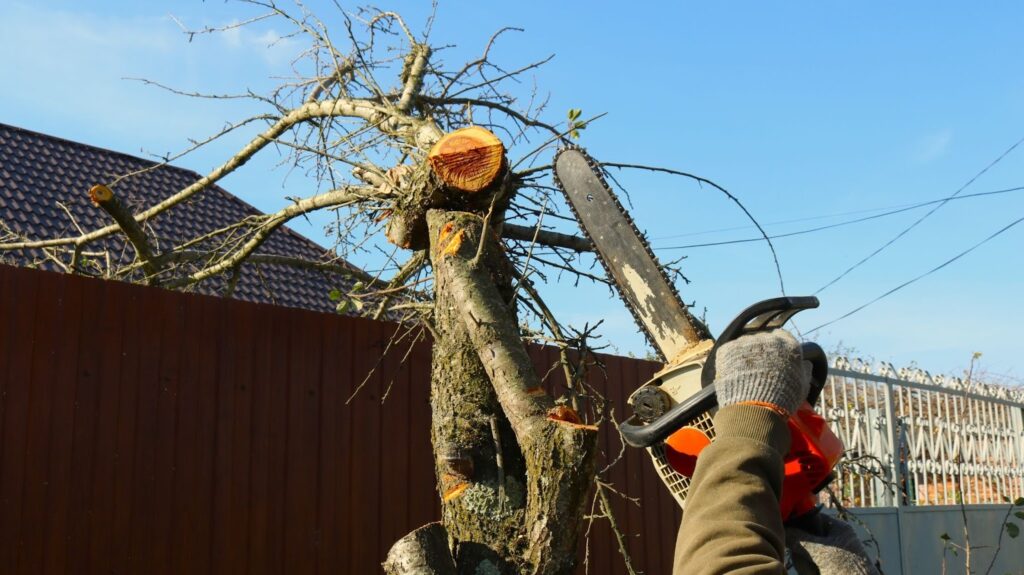
Overhanging branches scrape roofing materials during wind events. Shingles lose protective granules over time. Leaves clog gutters and trap moisture near foundations. Overflowing water damages fascia and siding. Winter ice adds extra weight to limbs. Tree removal eliminates ongoing exterior contact.
Storm Damage That Leads to Tree Removal
Storm damage often accelerates the need for tree removal. Wind, rain, and snow are already stressing already weakened trees. Some damage appears immediately, while other failures occur later. Proactive decisions reduce unexpected emergencies.
Wind Stress and Partial Uprooting Risks
Wind stress places intense pressure on tall or unbalanced trees. Saturated soil reduces root grip significantly. Trees may lean after storms, even without visible breakage. Partial uprooting further weakens remaining root systems. Subsequent wind events often complete the failure. Tree removal reduces the risk of sudden collapse.
Snow and Ice Load Branch Failures
Snow and ice accumulation add heavy weight to branches. Limbs bend beyond natural limits under frozen loads. Cracks often form at branch attachment points. Breakage may occur overnight without warning. Falling limbs can damage roofs and vehicles. Removing compromised trees prevents repeated seasonal damage.
Lightning Damage Within Tree Structures
Lightning damage travels through internal moisture pathways. Exterior scars may appear minor at first. Internal tissues often suffer severe heat damage. Decay progresses rapidly after a strike. Trees may weaken months later without visible signs. Tree removal addresses hidden structural loss.
Poor Tree Placement That Causes Removal
Tree removal frequently results from planting decisions made years earlier. Residential yards rarely support full mature growth safely. Limited space creates long-term conflicts with structures. Understanding placement issues clarifies why removal becomes necessary.
Trees Planted Too Close to Buildings
Close planting restricts natural growth patterns over time. Canopies press against siding, windows, or roofs. Roots encounter foundations and walkways underground. Growth stress increases vulnerability to disease. Maintenance demands grow each year. Tree removal resolves space conflicts permanently.
Fast-Growing Trees With Weak Wood
Fast-growing species often sacrifice wood strength for speed. Shallow roots fail during moderate wind conditions. Branches snap easily under stress. Lifespans shorten in confined environments. Pruning becomes frequent and costly. Removing weak species protects property stability.
Overcrowded Trees Competing for Resources
Overcrowding forces trees to compete for water and nutrients. Root systems intertwine and weaken collectively. Canopies grow unevenly toward available light. Imbalanced growth increases tipping risk. Disease spreads faster among stressed trees. Tree removal restores balance within the landscape.
Legal and Insurance Considerations for Tree Removal
Tree removal decisions often involve liability and coverage concerns. Homeowners carry responsibility for visible hazards. Insurance policies evaluate maintenance history carefully. Understanding these factors supports informed decisions.
Homeowner Liability for Tree-Related Damage
Property owners must address known risks on their land. Neglected trees can damage neighboring homes or vehicles. Courts often review visible warning signs during disputes. Documentation helps demonstrate responsible ownership. Ignoring risks increases financial exposure. Tree removal reduces liability tied to foreseeable damage.
Insurance Coverage and Preventive Maintenance Records
Insurance policies frequently exclude preventable damage. Claims may face denial if decay existed beforehand. Photos and arborist reports support coverage discussions. Preventive removal strengthens future claim credibility. Maintenance records show responsible property care. Removing hazards limits insurance disputes.
Deciding Between Tree Removal and Preservation
Tree removal does not always represent the first option. Some trees respond well to corrective care. Others exceed recovery thresholds despite intervention. Careful evaluation clarifies the safest path forward.
Limits of Pruning and Structural Support
Pruning addresses minor structural concerns effectively. Cabling supports limbs under moderate stress. Advanced decay limits the effectiveness of these methods. Repeated limb failure signals deeper instability. Temporary fixes often delay inevitable outcomes. Tree removal becomes the safer choice.
Professional Tree Risk Assessments
Certified arborists provide objective evaluations in accordance with industry standards. Inspections examine the roots, trunk, and canopy condition. Soil stability and drainage are carefully reviewed. Written reports outline risk levels clearly. Recommendations focus on safety and longevity. Professional insight removes guesswork for homeowners.
Professional Tree Removal Protects Homes and Families
Tree removal requires training, planning, and specialized equipment. Improper attempts create serious safety hazards. Professionals follow controlled processes from start to finish. Homeowners benefit from reduced risk and efficient service.
Risks Associated With DIY Tree Removal
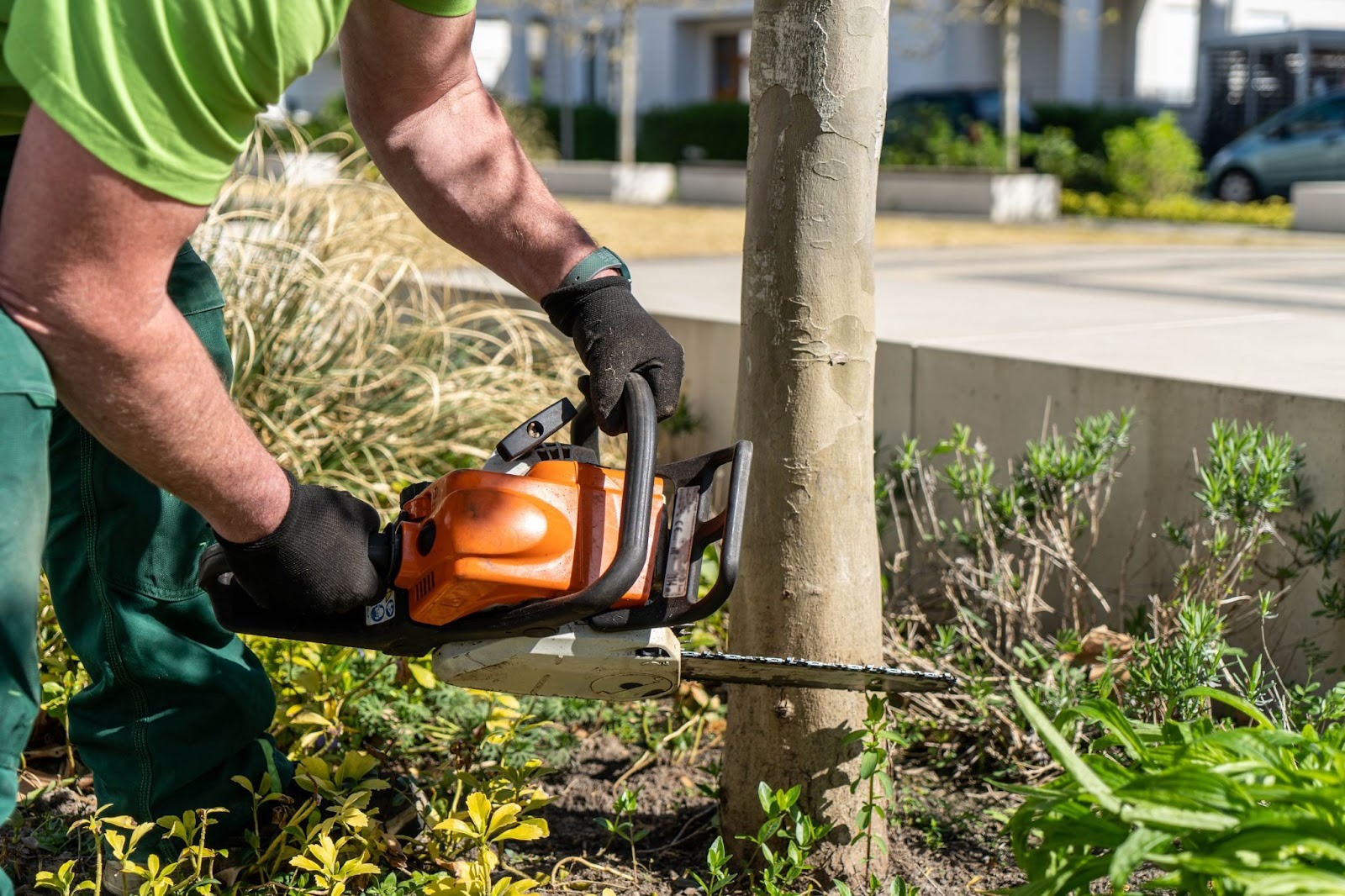
DIY tree removal involves chainsaws and falling hazards. Improper cuts cause unpredictable limb movement. Ladders increase fall-related injuries. Nearby structures face impact damage. Emergency calls often follow avoidable accidents. Professional services eliminate these dangers.
What Professional Tree Removal Services Provide
Professional tree services begin with a site evaluation. Crews establish safety zones around structures. Equipment controls limb descent safely. Removal occurs in planned sections. Debris removal follows immediately. Properties remain orderly after work completion.
Cleanup and Site Restoration After Removal
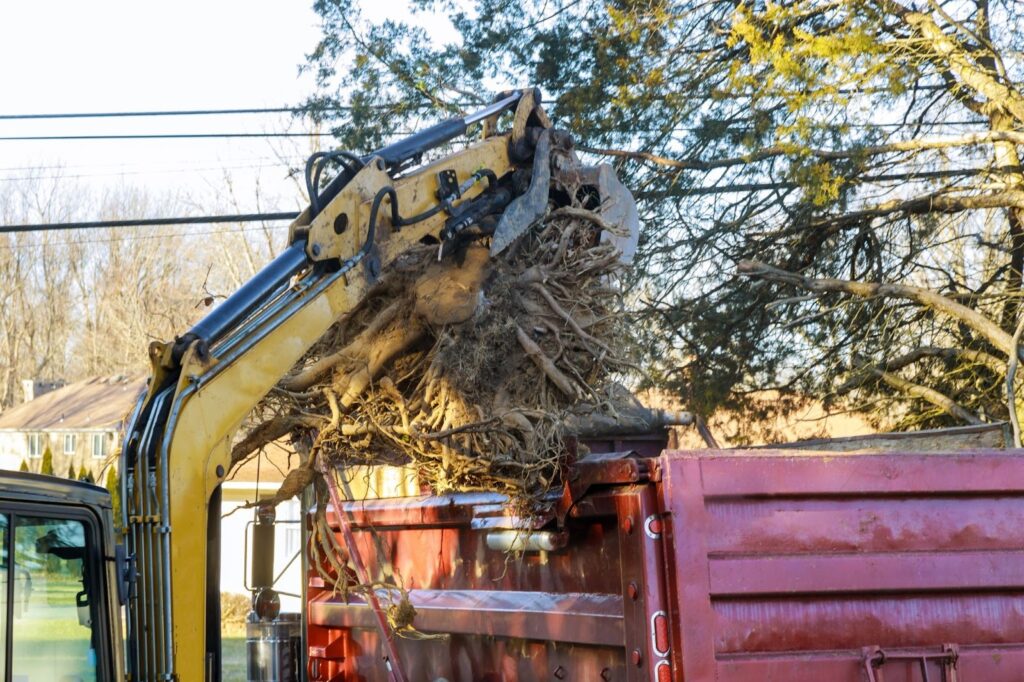
Stump removal restores usable yard space. Ground leveling improves drainage and appearance. Wood chips may serve as mulch if desired. Walkways and driveways remain protected. Final inspections confirm site safety. The property feels secure again.
Protect Your Property With Strategic Tree Removal
Tree removal works best when guided by awareness rather than reaction. Trees that outgrow their space or show decline rarely improve without intervention. Professional support helps homeowners address risks while options remain controlled and measured. Choosing strategic tree removal reinforces property safety, reduces long-term expense, and keeps ownership firmly in your hands.
Stay informed with expert perspectives on tree removal, maintenance, and risk awareness on the EML Tree Services blog.