
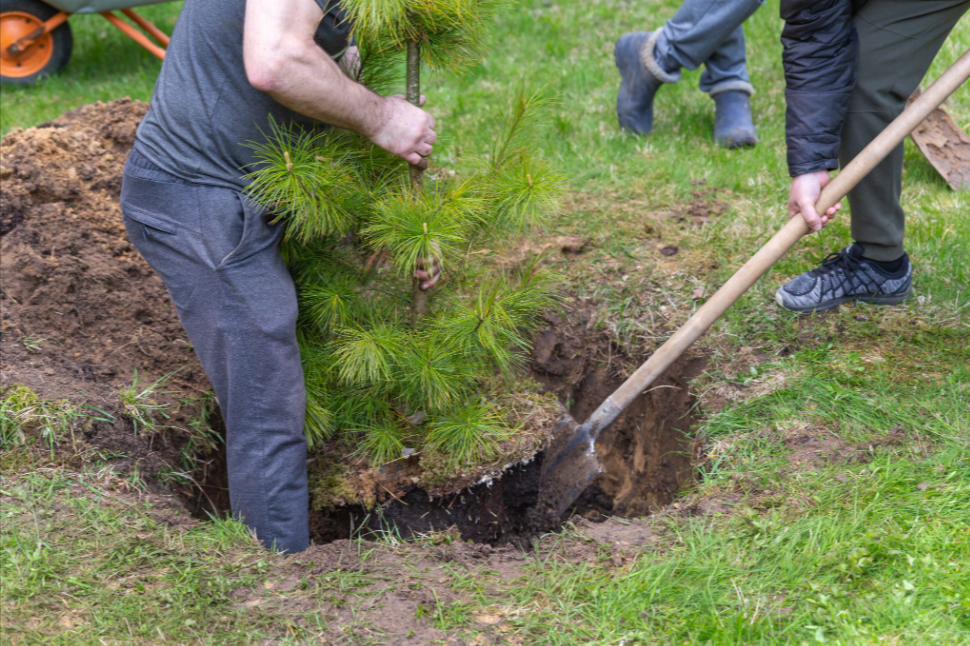
Owning a property often brings a steady focus on comfort, value, and long-term stability. Many upgrades require large investments, yet some improvements offer lasting returns with modest effort. Planting a tree provides a practical way to improve both visual appeal and everyday living conditions. It supports environmental balance while increasing how others perceive your property. A single tree can influence value, comfort, and function in ways that continue to grow over time.
Trees and Property Risk Reduction
Planting a tree can reduce property risks when planned with care and proper placement. This approach supports structural stability while protecting the surrounding landscape from damage. It also helps manage environmental factors that often affect long-term property condition. Over time, this added layer of protection contributes to a more durable and resilient home.
Protect Structures Through Smart Placement
Placing trees strategically protects structures by reducing exposure to environmental stress. Careful positioning keeps roots and branches away from vulnerable areas. This planning helps prevent damage to foundations, roofs, and nearby utilities. It also allows trees to grow without interfering with built features. Over time, this balance supports both safety and healthy growth. This thoughtful placement reduces future repair concerns.
Reduce Storm Impact With Natural Barriers
Using trees as barriers reduces the impact of strong winds and severe weather. Dense foliage and sturdy trunks help break wind force before it reaches the home. This protection lowers strain on exterior surfaces and structural elements. It also limits the spread of debris during storms. As trees mature, their protective effect becomes more effective. This natural defense strengthens the property against weather-related damage.
Prevent Soil Shifts and Drainage Issues
Stabilizing soil with tree roots helps prevent shifting ground and drainage problems. Strong root systems anchor soil and reduce erosion during heavy rain. This support keeps the landscape level and protects nearby structures. It also improves water absorption and reduces runoff. Over time, this balance maintains a healthier yard and foundation. This stability minimizes the risk of costly ground repairs.
Lower Heat and Surface Wear Risks
Providing shade helps reduce heat-related damage to surfaces around the property. Tree coverage limits direct sunlight on roofs, walls, and paved areas. This protection slows material wear and reduces the risk of cracking or fading. It also helps maintain more consistent surface temperatures. Over time, this reduces maintenance requirements and extends the material’s lifespan. This added protection supports the property’s long-term durability.
How Tree Planting Improves Property Value and Comfort
Property owners often look for practical ways to improve both appearance and long-term returns. Some upgrades offer quick results, while others build value steadily over time. A well-placed tree falls into the latter, delivering benefits that extend beyond simple landscaping. Understanding how trees influence different aspects of a property helps guide smarter improvement decisions.
Boosts Property Value With Smart Landscaping
Improving landscaping increases property value by shaping how buyers perceive the home from the outside. A well-designed yard creates a sense of care and long-term investment. It also helps the property stand out in competitive markets. This visual advantage supports stronger pricing and buyer interest over time.
Improves Curb Appeal Fast
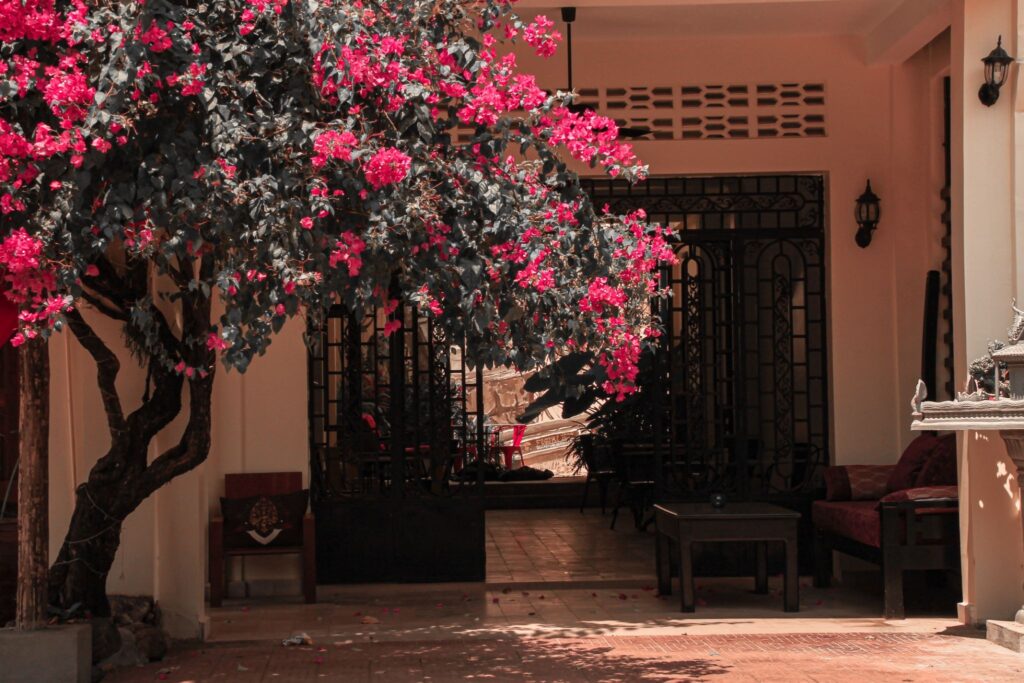
Adding greenery improves curb appeal by softening hard lines and adding visual balance. A mature tree frames the home and creates a welcoming entrance. Buyers often associate landscaped yards with well-maintained properties. This impression can influence their expectations before entering the home. As growth continues, seasonal changes add color and variation to the yard. This evolving look keeps the property visually engaging year-round.
Increases Appraisal Value
Enhancing landscaping can raise appraisal value through natural growth and visual maturity. Appraisers consider outdoor features when assessing a property’s overall value. A well-placed tree reflects long-term care and stability. This feature cannot be replicated instantly through other upgrades. Over time, this growth contributes to a stronger valuation. This added value supports better returns during resale.
Helps Listings Stand Out
Improving outdoor spaces helps listings attract more attention in online searches. Properties with visible greenery often attract more buyer interest. This increased attention can lead to more showings and inquiries. Buyers tend to spend more time viewing homes with appealing landscapes. As a result, listings gain a stronger position in competitive markets. This visibility can influence both the speed and the price of sale.
Reduces Energy Costs With Natural Shade
Using natural elements reduces energy costs by regulating indoor temperatures. Proper placement of greenery helps limit heat gain and loss throughout the year. This approach lowers reliance on mechanical systems for comfort. Over time, this efficiency leads to consistent savings on utility bills.
Lowers Summer Cooling Bills
Creating shaded areas reduces indoor heat by blocking direct sunlight from entering windows. This effect keeps rooms cooler during hot days. As a result, air conditioning systems run less frequently. Lower usage reduces energy consumption and costs. Shade also protects exterior materials from sun damage. This protection helps maintain the home’s condition over time.
Blocks Cold Winter Winds
Positioning greenery as wind barriers reduces heat loss during colder months. These barriers slow down strong winds before they reach the home. This protection keeps indoor spaces warmer with less heating effort. As a result, heating systems operate more efficiently. This improvement supports consistent comfort during winter. This natural solution contributes to long-term energy savings.
Balances Year-Round Climate
Supporting natural climate balance helps maintain stable indoor conditions across seasons. In warmer months, foliage provides shade and reduces heat buildup. In colder months, certain types allow sunlight to pass through. This balance reduces the need for constant temperature adjustments. Additionally, the surrounding soil retains moisture more effectively. This overall effect creates a more comfortable living environment.
Improves Air and Soil Around Your Home
Improving environmental conditions enhances both property quality and daily living. Cleaner air and stable soil support healthier surroundings for residents. Natural landscaping contributes to this balance without requiring complex systems. These benefits develop steadily as the landscape matures.
Cleans Air Around Your Home
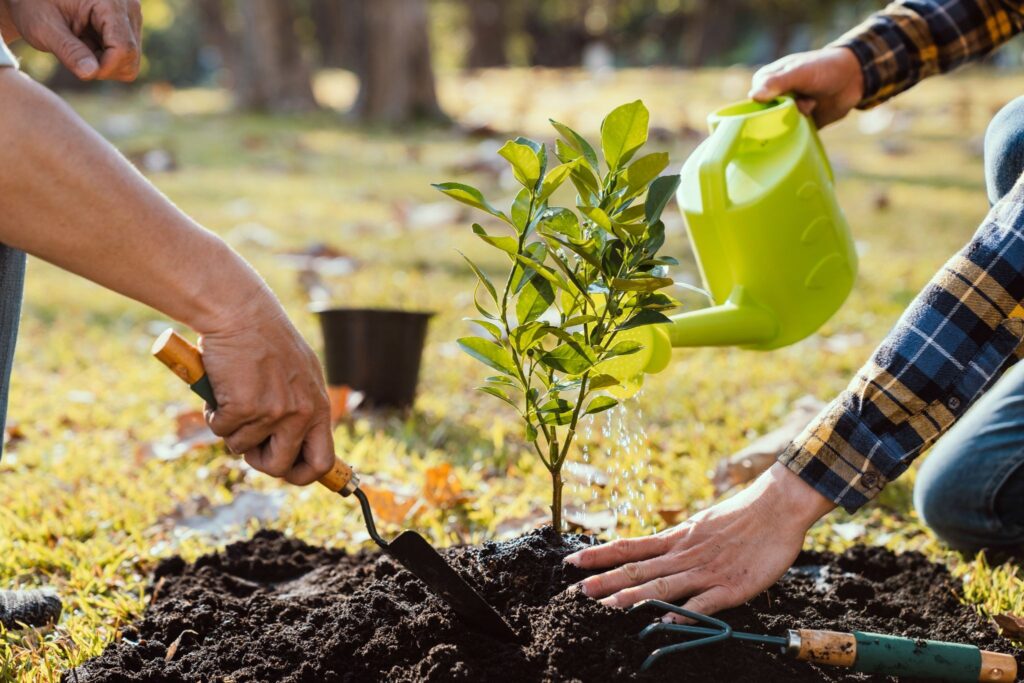
Enhancing air quality occurs as greenery absorbs pollutants and releases oxygen. This process reduces airborne particles near the property. Cleaner air improves comfort and supports better health. Residents often notice a fresher environment over time. This natural filtration works continuously without added cost. This improvement enhances the property’s overall appeal.
Prevents Soil Erosion
Stabilizing soil prevents erosion by anchoring the ground with strong root systems. These roots hold soil in place during heavy rain and wind. This stability protects landscaping and nearby structures from damage. Without this support, soil can shift, creating uneven surfaces. Proper planting maintains a consistent yard structure. This stability reduces the need for frequent repairs.
Improves Water Drainage
Managing water flow improves drainage by absorbing excess moisture from the soil. This process reduces pooling and surface runoff. Controlled drainage lowers the risk of flooding in certain areas. It also protects foundations and pathways from water damage. Over time, this balance supports a healthier landscape. This improvement reduces maintenance costs related to water issues.
Increases Privacy and Reduces Outdoor Noise
Creating natural barriers increases privacy and reduces unwanted noise around the property. This approach improves comfort without relying on artificial structures. It also helps define outdoor spaces subtly. These changes make the property more functional and enjoyable.
Creates Natural Privacy Screens
Blocking sightlines increases privacy by limiting views from nearby properties. This coverage offers a softer alternative to fences or walls. It allows airflow while still providing separation. Over time, growth enhances privacy. This improvement makes outdoor areas more comfortable to use. This natural solution blends well with the overall landscape.
Reduces Outside Noise Levels
Absorbing sound reduces noise by limiting the impact of traffic and neighborhood activity. This effect creates a quieter environment around the home. Reduced noise improves residents’ relaxation and focus. Even a small number of plants can make a noticeable difference. Over time, this benefit becomes more effective as growth continues. This quieter space enhances the property’s overall comfort.
Defines Outdoor Living Spaces
Shaping outdoor areas improves usability by creating natural divisions within the yard. A shaded section can serve as a place for rest or gatherings. This structure helps organize how the space is used throughout the year. It also adds visual depth to the landscape design. Over time, these defined areas become more functional. This layout supports both daily living and entertaining.
Enhances Outdoor Living Comfort and Appeal
Improving outdoor spaces increases comfort and visual appeal for everyday use. A well-designed yard encourages more time spent outside. It also strengthens the connection between indoor and outdoor areas. These enhancements contribute to overall property satisfaction.
Provides Shade for Activities
Providing shade improves comfort by creating cooler areas for outdoor use. This benefit allows longer use of patios and yards during warm weather. Families can enjoy outdoor activities without discomfort. Shade also protects furniture from sun exposure and fading. Over time, this protection extends the lifespan of outdoor items. This shaded space becomes a natural gathering area.
Adds Year-Round Visual Appeal
Adding visual variety enhances the property’s appearance year-round. Seasonal changes bring different colors and textures to the landscape. This variation keeps the yard engaging and fresh. A well-maintained plant complements the home’s design. It also enhances the property’s overall appearance. This consistent appeal supports long-term value.
Supports Local Wildlife Habitat
Supporting wildlife creates a balanced environment within the property. Birds and beneficial insects often gather around natural features. This activity adds movement and life to outdoor spaces. It also supports pollination for nearby plants. Over time, this ecosystem strengthens the landscape’s health. This thriving environment improves the overall outdoor experience.
Start Planting a Tree for Lasting Value
Planting a tree gives your property an advantage that grows stronger with time and care. Professional tree services can guide proper selection, placement, and maintenance to avoid costly mistakes. This support helps protect your investment while improving comfort, safety, and long-term appeal. Choosing to plant with expert help sets a clear direction for lasting property strength and value.
Explore more practical insights on planting a tree and property care at the EML Tree Services blog. Find ideas that support smarter decisions.