
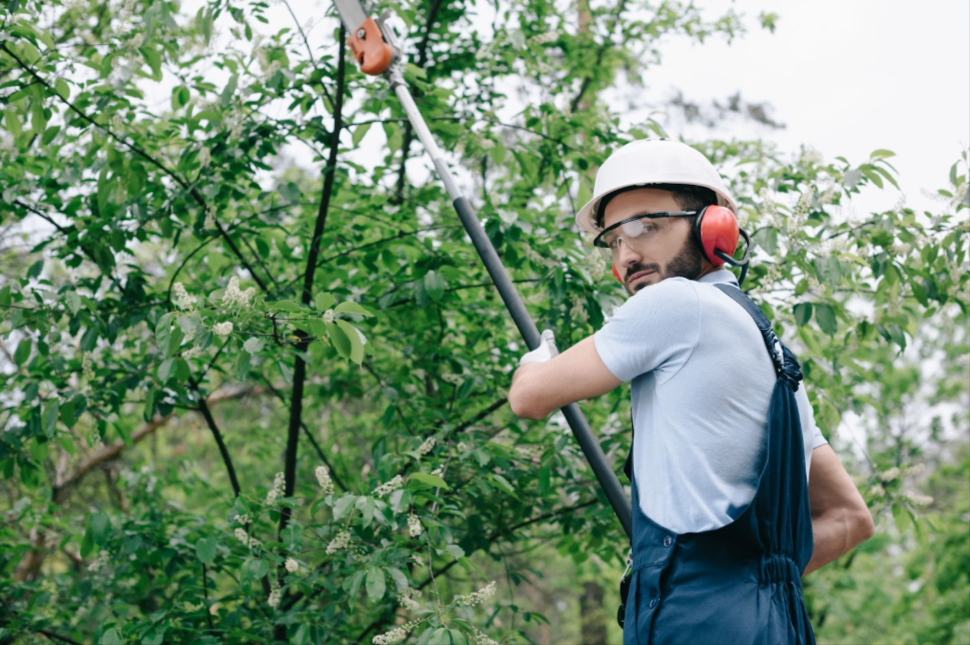
Pruning is the intentional removal of select branches, shoots, or roots to guide how a plant grows and thrives. Think of it like editing a draft: you cut the clutter so the best parts stand out and the whole structure is stronger. In practice, gardeners and arborists use precise cuts to reduce risk, improve symmetry, and encourage healthy new growth. While the phrase pruning Might sound simple, but good pruning combines biology, timing, and technique to enable plants to live longer, look better, and resist stress.
How Pruning Impacts Tree Health
Healthy plants do not happen by accident; they’re shaped by consistent, thoughtful care. Strategic cuts redirect energy away from weak or competing branches and into the framework that supports long-term vigor. In the context of plant health, pruning results in stronger limbs, fewer breakages during storms, and a canopy that breathes and photosynthesizes efficiently.
Disease Prevention
Pruning removes dead or infected wood so pathogens have fewer places to spread. Clean cuts also help plants compartmentalize wounds more effectively.
Stronger Structure
By thinning crossing or rubbing branches, you reduce stress points that can split under wind, snow, or the weight of fruit.
Better Airflow and Light
Opening dense canopies increases sunlight penetration and air movement, which supports leaf health and reduces fungal pressure.
When to Prune Different Species
Timing matters as much as technique. Many deciduous trees respond best to late winter or very early spring pruning when they’re dormant and wounds can close quickly as growth resumes. Summer pruning helps slow overly vigorous shoots and refining shape, while late fall cuts can be risky in colder regions because healing slows. Evergreens, flowering shrubs, and fruit trees each have calendars built around bloom and bud set, so the most accurate way to approach pruning is to match the schedule to the species and your climate. Cutting at the wrong time may remove flower buds or open doors to pests, while pruning at the right time can set up months of color and a stronger harvest.
How Do Professionals Approach Pruning?
Professionals start with the plant’s purpose—shade, fruit, privacy, or show—and then design a plan that protects structure first and aesthetics second. They move deliberately from the big picture to small refinements, using sanitized tools to limit disease. In this context, pruning becomes a sequence of assessments and choices rather than a handful of random cuts.
Assess the Canopy
Arborists identify dead, diseased, and damaged branches first, then map structural weaknesses such as narrow crotches or co-dominant stems.
Choose the Cut
Reduction, removal, and heading cuts serve different goals; the pro selects the cut that preserves natural form and limits future sprouting.
Sanitize and Sequence
Tools are cleaned between problem areas, and larger cuts are staged to protect bark and prevent tearing while removing heavy limbs.
The Science Behind Pruning
Every cut alters how a plant allocates resources, and understanding that response leads to better outcomes. Plants form protective barriers—often called compartmentalization—around wounds, isolating the injury so decay does not travel far into sound wood. Hormones like auxin and cytokinin influence whether buds remain dormant or break into new shoots, which is why heading cuts tend to stimulate growth just below the cut. When people ask what pruning is from a biological standpoint, the answer includes water transport pathways, carbohydrate reserves, and the plant’s built-in defense systems. Good technique respects branch collar anatomy, creates smooth, angled cuts that shed water, and avoids stubs that die back and invite pests.
How to Prune and Shape Without Stress
Curb appeal plays a fundamental role in landscape value, but shape should never compromise the plant’s health. The best aesthetic pruning emphasizes the plant’s native habit—arching, columnar, vase-shaped—so the result looks natural rather than forced. Pruning for beauty means thinning to reveal trunk lines, lifting lower limbs for sightlines, or softly reducing an overgrown shrub to restore proportion. When done well, the eye reads balance and grace without noticing where the cuts were made.
Frame the View
Selective thinning can reveal architectural features, pathways, or scenic vistas while maintaining privacy and shade.
Balance the Crown
Even distribution of foliage reduces wind sail, improves light exposure, and creates a canopy that is pleasing from all angles.
Common Pruning Mistakes
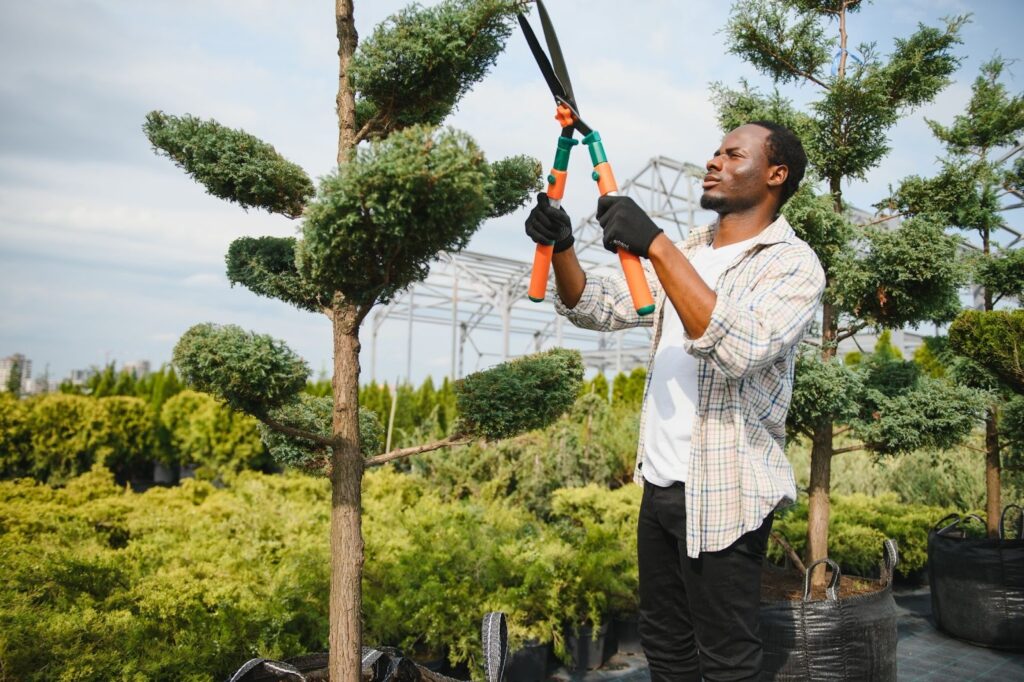
The most frequent mistake is over-pruning—removing too much live wood in one season and shocking the plant. Topping, where major leaders are bluntly cut to stubs, is especially harmful; it invites decay, produces weak sprouts, and permanently disfigures the tree. Another error is ignoring the branch collar and making flush cuts that remove the plant’s natural defense zone. Using dull or dirty tools tears tissue and spreads disease, while cutting at the wrong time can strip next season’s flowers. Asking what pruning is should always lead to a plan: limit removal to a reasonable percentage of the live crown, respect the natural form, and space work over several seasons to allow the plant to recover.
How to Safely Prune Trees
Working with trees involves gravity, tools, and electricity—three realities that demand caution. Safety planning protects workers and property, and ethical guidelines protect the living organism and its ecological neighbors. Framing pruning through this lens means treating the landscape as a shared habitat, not just a canvas.
Work Zone Safety
Identify drop zones, protect structures, and keep people and pets away from the work area when limbs are being removed.
Wildlife Awareness
Check for nests and active wildlife before cutting, and defer non-urgent work if you find occupants that could be harmed.
Pruning in Different Landscapes
Residential yards prioritize shade, privacy, and beauty, so pruning aims to manage size and highlight form without creating maintenance headaches. Orchards focus on sunlight distribution, fruiting wood, and airflow, so annual cuts are disciplined and repeatable to maximize yield and quality. In streetscapes, clearance over sidewalks and roads, sightlines near intersections, and utility conflicts all shape decisions. In each setting, the core idea of pruning remains the same—direct growth, reduce risk, and support the plant’s purpose—yet the tactics adapt to goals and constraints unique to the site.
Tools and Techniques That Clarify What Pruning Is
Sharp, well-maintained tools make clean cuts that heal faster. Hand pruners and loppers handle small diameter wood, while a pruning saw or pole saw manages larger limbs from the ground. Cleanliness matters; disinfecting blades between diseased cuts protects the rest of the plant. The three-cut method prevents bark tearing when removing heavier branches: an undercut, a top cut farther out, and a final clean cut at the branch collar. When you dive into pruning on a technique level, thoughtful tool choice and cut placement are what separate quick fixes from lasting results.
The Difference Between DIY and Arborist Pruning
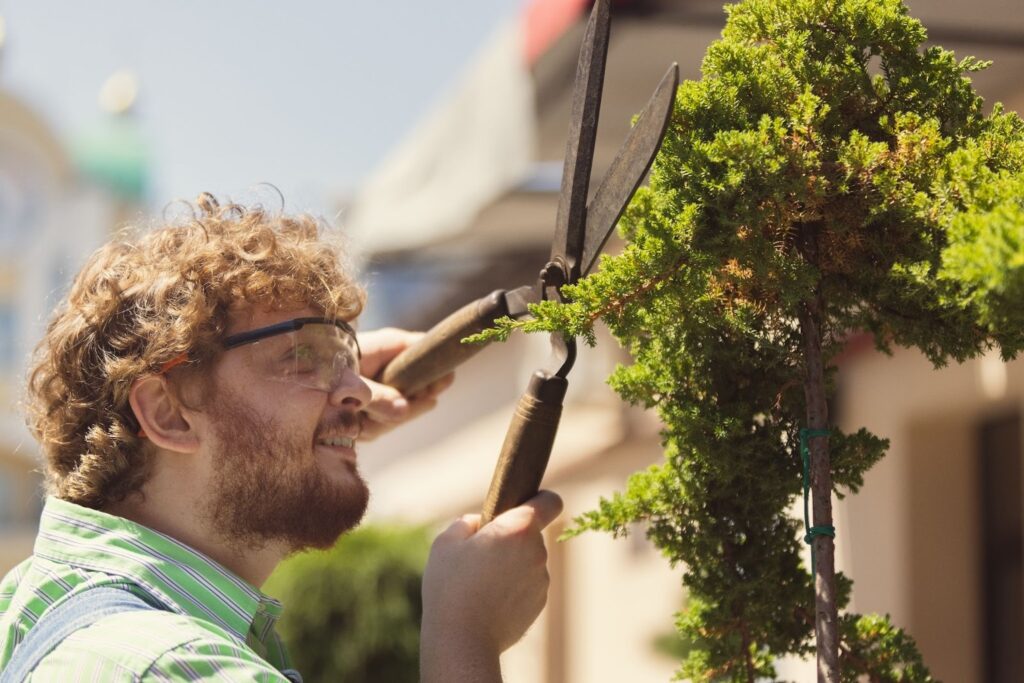
Not every pruning task requires a professional, but experience and equipment make a big difference as size and risk increase. Homeowners can handle small shrubs and young trees from the ground with proper guidance, yet mature trees near homes, roads, or lines call for certified arborists. When considering pruning for your situation, think of safety, the value of the plant, and the long-term costs of mistakes.
DIY Scope
Work you can reach from the ground with clean, sharp tools is the safest place to start, especially for light thinning and deadwood removal.
Call the Pros
Large diameter cuts, work near utilities, or structural changes to big trees belong with trained crews who carry the right gear and insurance.
What is Pruning Aftercare?
A well-pruned plant still needs time and resources to recover. Adequate soil moisture helps the cambium generate callus tissue to close wounds, while a light layer of mulch moderates soil temperature and suppresses weeds without smothering the trunk flare. Fertilization should be conservative unless a soil test indicates deficiencies; excessive nitrogen can push weak, leggy growth right after pruning. Monitoring for pests, especially borers attracted to fresh wounds, is part of responsible follow-through. When people ask whether pruning has been effective, the most evident signs are steady wound closure, resilient new shoots, and a plant that maintains its form with less intervention over time.
The Importance of Pruning Young Trees
Early structural pruning sets trees on a path that prevents expensive corrections or hazards in adulthood. By identifying a single strong leader, spacing scaffold branches, and eliminating tight forks early, you build a framework that withstands storms and grows with pleasing symmetry. This is where pruning pays the highest dividends: minor, well-timed cuts on a sapling replace the need for significant, risky cuts on a mature tree. Young trees respond quickly, heal faster, and learn a pattern of growth that remains stable as trunks and limbs thicken.
Pruning’s Impact on Fruiting and Flowering
Flowering shrubs and fruit trees have cycles that determine whether buds form on old wood, new wood, or a combination of both. If you prune a shrub that blooms on last year’s growth right before spring, you may remove the very buds you hoped to enjoy. For fruit trees, opening the canopy and managing fruiting spurs can transform both the quantity and the quality of the harvest. When gardeners approach pruning with bloom and fruit timing in mind, they can shape plants for beauty and productivity without sacrificing either. A tailored plan avoids blanket rules and instead aligns cuts with the species’ specific biology.
Develop a Long-Term Pruning Plan
Landscapes evolve, and so should your pruning strategy. Establish an inspection rhythm—once or twice a year—to look for deadwood, structural conflicts, or growth that is outpacing space. Tie your actions to goals like shade on patios, visibility at driveways, or healthier fruit set, then make modest adjustments each season rather than drastic interventions. Framing pruning as a cycle instead of a one-time task preserves the plant’s natural character and builds resilience. Over time, you will notice fewer emergencies, more predictable performance, and a landscape that feels composed in every season.
Maintenance Cycles
Seasonal check-ins catch small issues before they’re expensive, keeping canopies balanced and clearances safe.
Documentation
Simple notes and photos help track which cuts were made and how the plant responded, informing smarter decisions next year.
The Key Elements of Pruning
Good pruning starts with intention: know the plant, know the purpose, and cut with care. Whether you are refining a rose, opening a fruit tree, or safeguarding a street maple, the same principles apply—protect structure, promote health, and respect natural form. If you ever wonder about pruning beyond basic trimming, think of it as guided growth, carried out at the right time with clean tools and a clear plan. Do that consistently, and your landscape will answer with strength, beauty, and longevity.
Check out our EML Tree Services blog to learn more about tree pruning and other ways to take care of your property’s natural beauty.