Your property depends on healthy trees that stand firm and grow with stability. Problems start small, but they can strain the landscape fast and raise safety risks around your home. Many issues hide behind the canopy and only show when the stress worsens. You protect your home when you know these warning signs. Strong awareness gives you the power to act before problems spread.
Early Tree Service Signs You Should Not Ignore
Trees often reveal trouble through clear changes in structure or appearance. These shifts show up before a limb breaks or a trunk fails. You avoid damage when you understand what these early markers mean. These signals guide you toward safe and timely decisions.
Decay Signs on the Trunk
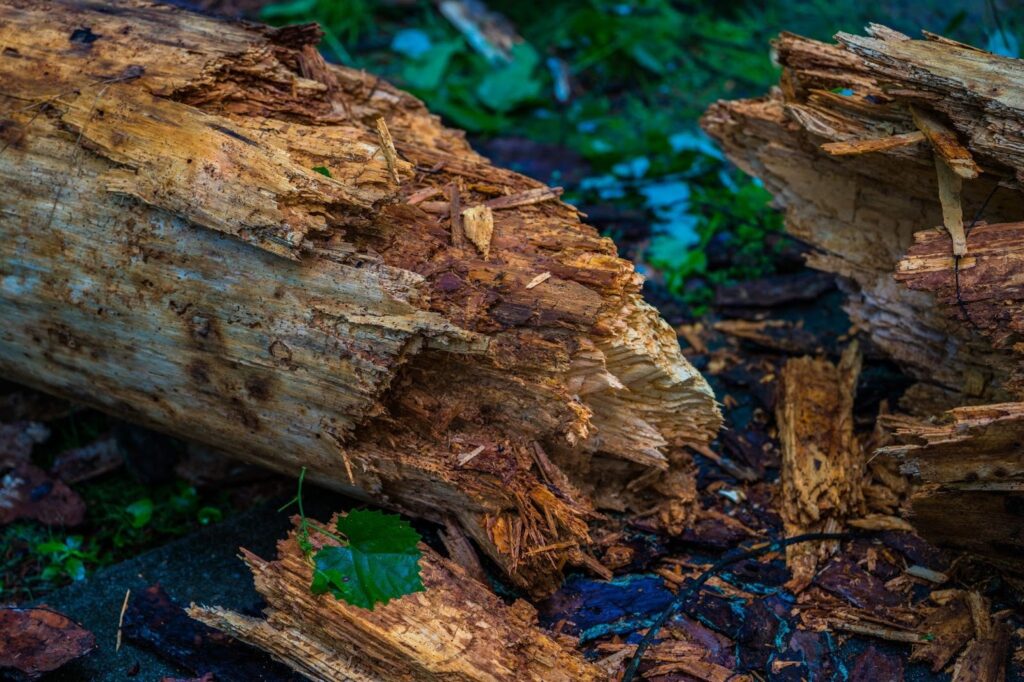
Visible decay indicates that the inner wood is breaking down due to moisture or internal damage. You may see discolored bark, crumbly patches, or soft pockets that collapse under light pressure. These areas weaken support and create entry points for insects, accelerating decline. The decay spreads upward, affecting how the tree supports its weight. A trained arborist checks the depth and pattern of the rot with proper tools. They determine whether the tree can recover or whether removal prevents a hazardous fall. This evaluation protects your property from sudden structural failure.
Leaning Trees and Root Stress
A tree that starts leaning is often under root stress or experiencing soil movement. You might notice raised soil around one side of the base or cracks that widen during storms. These changes show that the tree lost its grip and now shifts with wind pressure. Leaning trees fall without warning, even during mild weather. A tree service professional measures the angle and checks for anchor loss. They decide if the tree needs bracing, pruning, or safe removal. Addressing this issue prevents damage to nearby roofs, fences, and walkways.
Dead Limbs Over Your Home
Dead limbs become brittle and break under small amounts of weight or wind. These branches often sit above driveways, yards, patios, and roofs. You may see peeling bark, hollow spots, or limbs that hold no leaves during active seasons. These hazards fall at random times and cause property damage or injury. A professional tree service trims these limbs with controlled methods to prevent further strain. They scan the crown for hidden weakness and remove unsafe branches. This process helps keep your home safer during storms.
Structural Problems Requiring Tree Service
Structural strain builds inside trees as they age or face storm pressure. These problems spread through the crown, trunk, or root system. You reduce hazards by spotting changes early and responding appropriately. A trained team provides accurate guidance for long-term safety.
Cracks in the Trunk or Limbs
Cracks in the trunk or limbs form when pressure builds across the grain. These fractures create open channels for pests and moisture, which quickly weaken the tree. Long cracks deepen after storms, increasing the risk of breakage. You may see separation lines that widen over time. Arborists inspect the split and determine how far it extends into the wood. They choose targeted pruning or safe removal depending on the severity. This evaluation prevents dangerous breaks during wind or heavy snow.
Weak Limb Connections
Weak branch unions develop when limbs grow at narrow angles or push against each other. These junctions split when the crown expands or storms pull the limbs apart. Split crowns create uneven weight that strains the trunk. You may spot widening gaps or rubbing branches that cause bark loss. A professional installs support systems or trims the canopy to reduce tension. They decide the safest approach for each limb based on load and location. Their work leads to a more stable and balanced structure.
Root Damage Around Your Home
Roots anchor the entire tree, and damage immediately reduces its strength. You may see cracked soil, lifted pavers, or sidewalk shifting that points to root movement. These changes reveal stress around the base and weaken the tree’s hold. Damaged roots cannot support large branches during storms. An arborist performs a detailed root-zone inspection to locate the problem. They adjust soil conditions or recommend corrective pruning. Their guidance protects both the tree and the surrounding structures from further disruption.
HHeavy Canopies That Add Stress
Dense canopies create extra drag during storms and increase pressure on the trunk. Heavy clusters of limbs rub against each other and cause friction damage. This imbalance makes the tree more vulnerable to cracking. Overgrown crowns also block the sunlight that young limbs need for healthy growth. A skilled professional thins crowded areas without harming the tree. They improve airflow through the branches and redirect growth into stronger patterns. This approach reduces stress and enhances long-term stability.
Tree Health Issues Needing Pro Help
Tree health declines fast when disease, pests, or soil imbalance take hold. These problems often remain hidden until the tree weakens. You protect your landscape by responding to these clues. A professional diagnosis confirms the exact issue and restores stability.
Fungal Growth at the Base
Fungal blooms at the base show that decay is forming inside the trunk or roots. Mushrooms, white growths, or sponge-like patches reveal a moisture imbalance. These organisms feed on weakened wood and spread through the core, creating softness that undermines strength. A tree service expert tests the roots and measures internal decay. They determine if stabilization, treatment, or removal reduces the hazard. Their guidance protects the property from collapse caused by unseen rot.
Pest Damage on Your Trees
Pest activity appears as small holes, sawdust trails, or sticky resin. Boring insects carve tunnels that weaken the wood and break the internal structure. These pests spread through multiple limbs, causing crown decline. Infestations also invite disease, which increases stress. An arborist identifies the species and applies targeted solutions. They protect nearby trees from the same problem and block future spread. Their treatment helps save the tree before the damage grows.
Thin or Weak Tree Canopies
A thinning canopy reveals internal stress from roots, soil, or disease. Sparse leaves often accompany discoloration, small leaf size, or premature drop. This pattern shows that the tree cannot effectively transport nutrients. Weak canopies also leave the tree vulnerable to sun stress. A professional evaluates moisture levels, soil density, and overall health. They create a care plan that restores balance and encourages new growth. Their approach supports recovery before decline accelerates.
Sap Leaks and Wounds
Excess sap or oozing wounds appear when the tree reacts to infection or pests. These sticky spots attract insects and cause slow healing. Leaking areas weaken the bark and expose the inner layers. Long-term sap loss reduces the tree’s ability to grow strong tissue. A trained arborist identifies the cause behind each wound. They apply treatments that help control infection and protect the tree. Quick action helps the tree recover its natural defenses.
Bark Peeling or Shedding
Bark peeling in large sections reveals stress from disease, heat, or decay. These exposed areas dry out and lose strength. You may also see color shifts or cracking patterns near the trunk. These changes show that the protective layer is failing. A tree service professional inspects the trunk for moisture imbalance or infection. They address the underlying issue before the exposed wood weakens further, preventing the tree from losing more structural integrity.
Tree Risks That Threaten Your Property
Some tree hazards directly press on your home and pose urgent threats. These problems grow fast and escalate during storms. You reduce the chance of damage when you address them quickly. Professional crews handle these risks with training and proper tools.
Trees Growing Near Power Lines
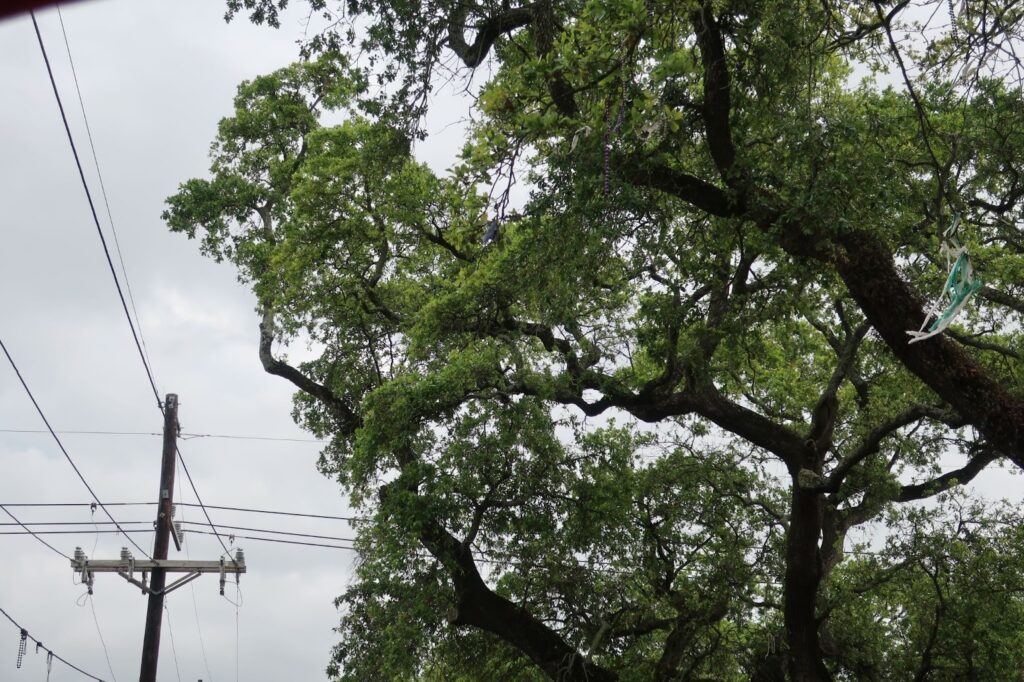
Trees near power lines create safety risks during storms or high winds. Branches that touch or lean toward lines may cause sparks or outages. Growth pressure can weaken wires, leading to dangerous breaks. This situation creates fire hazards near your home. A licensed tree service trims near power lines with proper clearance rules. Their training ensures compliance with safety codes. Their work restores a safe distance between limbs and electrical lines.
Branches Touching Roofs or Gutters
Limbs that press against roofs scrape shingles and trap moisture, which can cause leaks that spread under the surface. Gutters clogged with twigs and leaves overflow, damaging siding. Strong winds push limbs deeper into the roof, causing costly repairs. A certified arborist trims these limbs and reshapes the canopy. They create a safe clearance that prevents constant contact, keeping your home protected through harsh seasons.
Storm Damage on Trees
Storms crack limbs, twist branches, and strain roots even when the damage looks light. You may see torn bark, hanging limbs, or soil lifting around the base. These subtle signs show deeper stress inside the tree. Storm-weakened wood can fall without warning days after the weather clears. A professional scans the tree for hidden cracks and unstable limbs. They remove hazards and stabilize weak points. Their inspection restores safety before another storm hits.
How Tree Service Protects Property Value
Strong tree care supports health, safety, and curb appeal across your landscape. Structurally sound trees add value to your home. A skilled service team provides long-term care that improves stability. This support protects the yard across every season.
Removing Tree Hazards
Cutting weak or diseased limbs stops stress from spreading into healthy wood. Removing hazards improves how the tree distributes weight. This procedure gives the tree more strength during storms. Proper trimming also allows more sunlight to reach healthy branches. Arborists identify the exact cuts needed for safe recovery. They remove decayed spots before they get deeper into the tissue. This work builds a stronger and safer tree.
Guiding Young Tree Growth
Young trees develop lifelong patterns during their early years. Proper pruning shapes their trunk, limbs, and future growth direction. Balanced structure reduces the risk of splits or weak unions. It also helps young trees withstand wind pressure more effectively. A tree service expert trims with growth goals in mind. They monitor soil, moisture, and canopy shape. This setup allows the tree to mature into a stable, durable form.
Caring for Older Trees
Older trees carry more weight and experience greater stress with age. They often hide internal decay or root issues. Consistent monitoring reveals these problems before they escalate. A long-term care plan keeps these trees stable and thriving. Professionals track seasonal shifts and adjust treatment plans. They prune with precision to reduce strain. This strategy gives older trees the support they need to remain safe.
Protect Your Property With Trusted Tree Service
Tree problems rarely fix themselves, and they often grow faster than you expect. Your property stays safer when you address warning signs with professional support. A skilled tree service handles hidden risks and protects the landscape you depend on. Reach out when you see trouble so your trees stay stable, healthy, and ready for the next season.
For practical solutions and real-world tree care advice, visit the EML Tree Services LLC blog and learn how to keep your landscape strong year-round.