
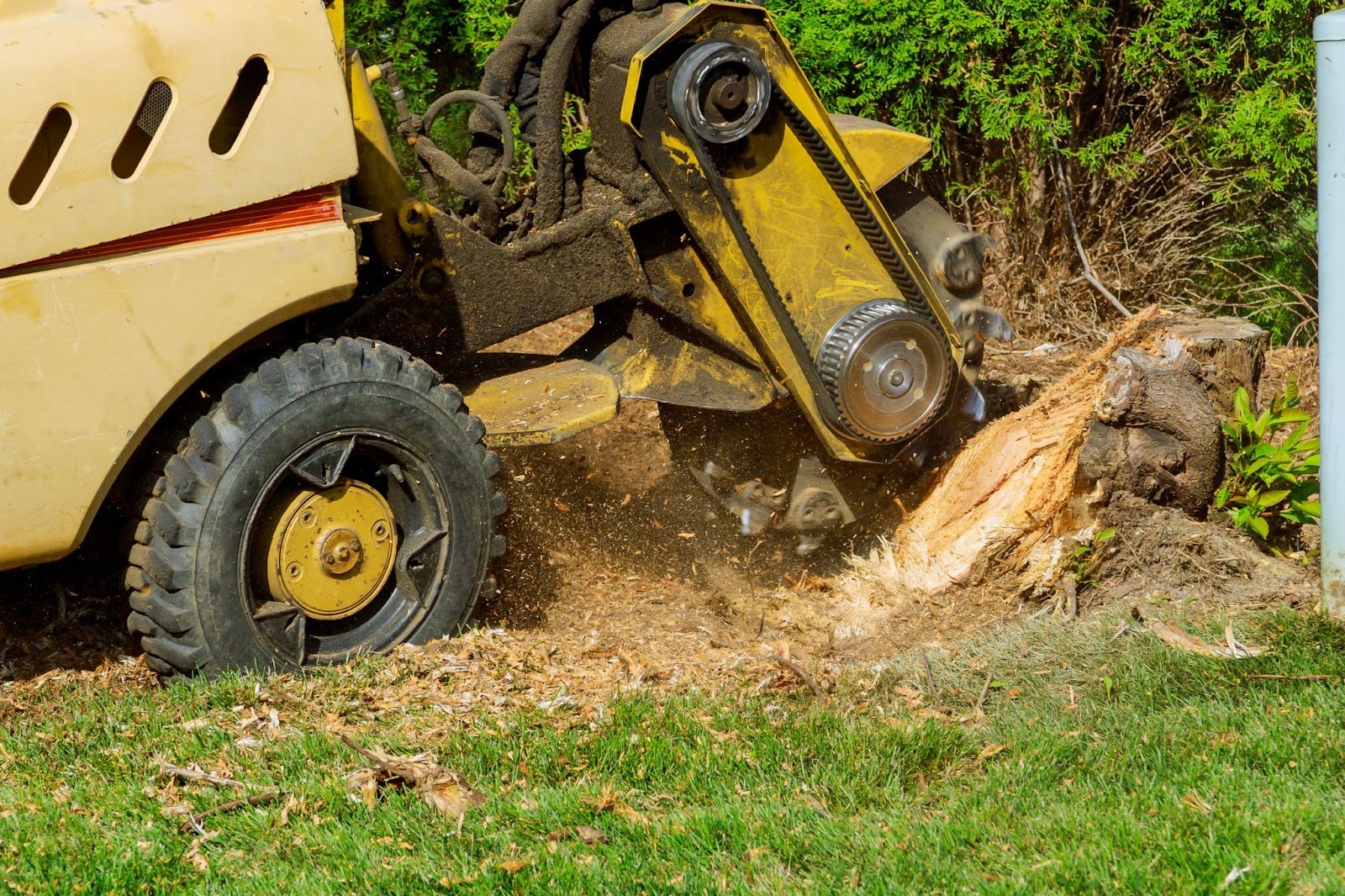
Stump grinding is a professional method that removes tree remnants by breaking the wood into fine chips without uprooting the entire base. The process targets the visible stump and the underground roots, which can extend several feet outward. Roots often complicate removal because they intertwine with rocks, soil, and underground utilities. Professionals assess root depth and spread before grinding begins to prevent damage and ensure a smooth completion.
Understanding Stump Grinding and Root Challenges
Stump grinding is a professional method that removes tree remnants by breaking the wood into fine chips without uprooting the entire base. The process targets the visible stump and the underground roots that can stretch several feet outward. Roots often complicate removal because they intertwine with rocks, soil, and underground utilities. Professionals assess root depth and spread before grinding begins to prevent damage and complete the task smoothly.
How Roots Affect the Grinding Process
Tree roots extend well beyond the stump, forming a dense network that can interfere with grinding blades. These roots differ by tree type; some grow shallow, while others penetrate deeply into compact soil. Professionals handle each case by controlling grinder speed and depth to match root resistance. They analyze soil texture and moisture, as wet or rocky ground can affect the grinder’s performance. Adjusting these variables ensures precision, protects nearby property, and speeds up completion.
Common Root Problems Professionals Encounter
Roots can twist around stones, pipes, or old foundations, creating hazards during stump removal. Hardened roots from older trees require more durable blades and careful cutting angles. Professionals identify these conditions early through visual checks and, in some cases, ground scans. When they hit tough root pockets, they pause to adjust equipment rather than force the cut. This level of control keeps the process efficient while minimizing machinery wear and preventing unnecessary soil disturbance.
The Impact of Root Density on Grinding
Root density influences how a grinder operates. If not adequately managed, thickroot clusters can trap debris, reducing cutting speed. Professionals use grinders with high-torque engines and sharp blades to efficiently handle dense wood. They also remove surface debris before grinding to maintain consistent contact between the blade and the root. Careful management of dense root zones results in a smoother finish and protects the soil from unnecessary disruption.
Professional Root Management in Stump Grinding
Professional tree specialists approach every stump with a structured plan prioritizing safety, speed, and soil preservation. Their methods combine mechanical efficiency with technical know-how to eradicate the stump and roots. Depending on the stump size and ground conditions, they adjust the grinding depth and direction. This approach guarantees clean results and prevents regrowth that could damage new landscaping.
Specialized Equipment for Root Removal
Professionals rely on stump grinders equipped with precision blades and adjustable cutting heads. These machines vary in size, from compact units for small yards to industrial grinders for larger roots. Operators match the equipment to the site’s needs to achieve consistent cutting depth. They maintain sharp blades to reduce friction and enhance grinding speed. High-quality grinders also minimize vibrations, which helps preserve the soil’s structure and surrounding vegetation.
Techniques for Cutting and Controlling Roots
Professionals grind in layers, cutting a few inches at a time rather than going too deep too quickly. This gradual method prevents the grinder from jamming or overheating. They trace the root lines outward from the stump, addressing one section before moving to the next. Soil feedback and vibration levels guide how much pressure they apply. This method keeps debris contained, reduces noise, and produces a uniform finish across the site.
Preventing Root Regrowth After Grinding
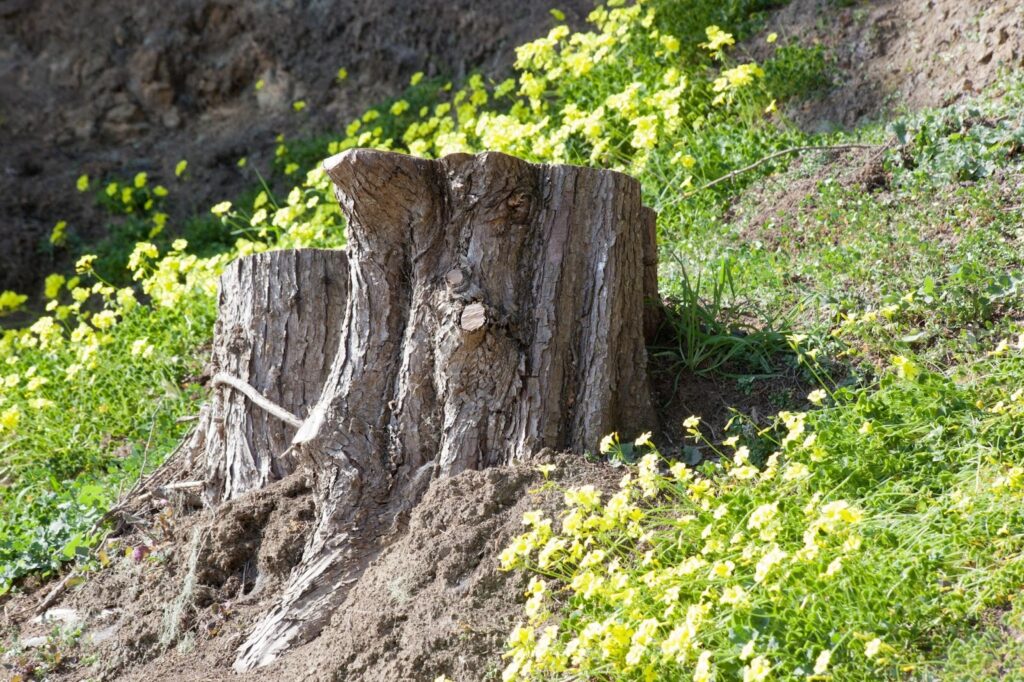
After grinding, professionals often go below ground level —usually around 10 to 12 inches —to reach the major root bases. They may apply natural decomposers that help remaining roots break down faster. Some also mix nitrogen-rich soil amendments to stimulate healthy microbial activity. This process ensures the ground remains fertile while preventing roots from sprouting again. Complete removal and proper soil treatment prepare the area for future planting or development.
Adjusting Techniques to Tree Species and Soil Types
Each tree type presents unique challenges depending on its root structure. Pine roots, for example, spread wide and shallow, while oak roots grow deep and dense. Professionals adapt grinder settings, speed, and blade angle to suit these differences. In sandy soil, they move cautiously to avoid kicking up dust, whereas in clay, they adjust for added resistance. Understanding these variations allows them to work efficiently while protecting the equipment and the property.
Handling Debris and Wood Chips After Stump Grinding
After grinding, professionals shift their focus to debris cleanup. The process generates piles of wood chips, sawdust, and compacted soil fragments that need to be removed. Leaving debris can attract termites or cause uneven ground. Professionals follow organized cleanup procedures that restore order and prepare the site for landscaping or construction.
Debris Collection and Safe Disposal
Professionals use blowers, vacuums, and manual tools to gather scattered chips and dust. Larger projects involve loaders for efficient collection. Debris is sorted by quality—clean wood is kept for reuse, while contaminated waste is sent to proper disposal sites. This practice aligns with local environmental regulations and keeps the area safe. Proper debris handling also prevents pests and promotes cleaner soil conditions for future use.
Recycling and Reusing Ground Material
Wood chips from stump grinding are often reused as mulch or compost material. Professionals inspect the debris to ensure it’s free of disease before recycling. Clean chips can improve soil moisture retention and prevent weed growth in gardens. However, debris from diseased stumps is separated and disposed of to avoid contamination. This eco-conscious approach supports sustainability while reducing waste from the grinding process.
Restoring Ground Stability After Removal
Once debris is cleared, professionals refill the hole left by the stump with nutrient-rich topsoil. They level and compact the surface to eliminate gaps or soft spots. This step prevents water pooling and supports new vegetation growth. Raking and smoothing the soil creates a finished look that blends naturally with the surrounding yard. The final inspection ensures stability and visual harmony across the area.
Safety and Precision in Professional Stump Grinding
Stump grinding requires accuracy and control because the machinery involved can be dangerous. Professionals prioritize safety from setup to cleanup, following strict protocols protecting the crew and property. They begin with site assessments to locate underground utilities and mark hazard zones. Every process step focuses on precision and safety to prevent damage or injury.
Protective Gear and Safety Procedures
Before grinding starts, professionals wear helmets, gloves, eye shields, and steel-toed boots. They set up barriers to keep pets and people out of the work area. Regular equipment checks confirm that blades, belts, and guards are secure. Operators also communicate clearly to coordinate movement and avoid overlap. Maintaining a safe environment ensures the grinding process proceeds without delays or accidents.
Managing Hidden Obstacles Underground
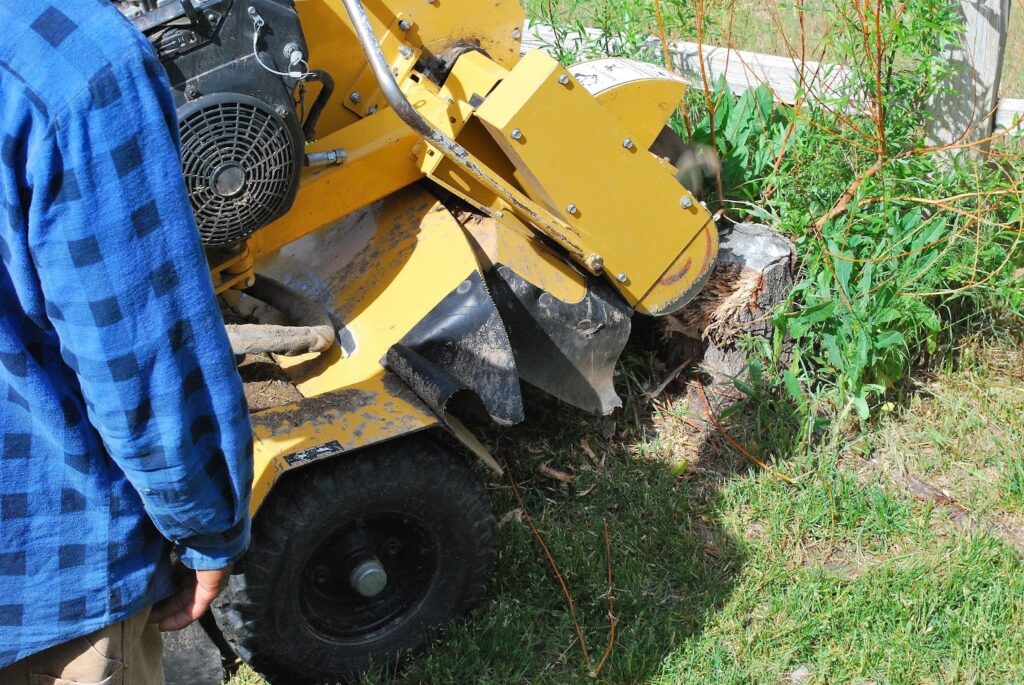
Rocks, pipes, and buried cables often lie beneath the surface where stumps once stood. Professionals detect these hazards using scanners or blueprints before starting work. If they encounter obstacles mid-process, they stop immediately to inspect and adjust. Coordination with local utility companies prevents costly disruptions. This proactive approach safeguards both the equipment and the surrounding infrastructure.
Maintaining Equipment and Preventing Downtime
Frequent maintenance keeps stump grinders performing at their best. Professionals clean blades between uses and replace dull teeth to maintain sharpness. They lubricate moving parts to reduce wear and prevent overheating. Regular inspections detect early signs of damage that could cause breakdowns. Keeping the machinery in peak condition minimizes downtime and ensures consistent performance on every project.
Controlling Noise and Dust During Grinding
Grinding produces noise and fine dust, which can bother nearby residents. Professionals manage this by using water mist systems to reduce airborne particles. They also work during daytime hours and maintain engines to minimize noise output. This mindful approach reduces disturbance and maintains acceptable air quality. Maintaining professionalism and courtesy enhances client satisfaction throughout the job.
Why Professional Stump Grinding Outperforms DIY Efforts
DIY stump grinding often seems appealing, but rarely delivers complete results. Home-grade machines lack the power needed for deep or dense roots, and mistakes during operation can lead to equipment damage or injury. Professionals provide faster, safer, and cleaner results using commercial-grade tools and proven techniques.
Professional Efficiency and Skill Advantage
Experienced operators know how to plan grinding patterns and avoid common setbacks. They measure soil resistance and adjust accordingly to achieve maximum speed. Their knowledge allows them to finish jobs that might take homeowners days in just a few hours. This efficiency also prevents repeated attempts that waste time and fuel. Combining skill and the right equipment produces superior outcomes with less effort.
Environmental Responsibility in Waste Handling
Professionals dispose of wood chips and debris in accordance with environmental standards. They separate recyclable material from contaminated waste to prevent pollution. Some companies even offer organic recycling, turning debris into mulch or compost. This sustainable method benefits both the client’s property and the wider community. Eco-friendly practices make professional stump grinding a cleaner, more intelligent choice for property owners.
Long-Term Savings and Property Value Benefits
A properly ground stump eliminates the risk of root regrowth or pest infestation. It also prevents uneven ground that could later damage landscaping or equipment. Investing in professionals saves homeowners from paying for repeated removals or soil repair. Additionally, clean, stump-free yards enhance property appeal and usability. The long-term value of quality craftsmanship far outweighs initial service costs.
Reclaim Your Space With Expert Stump Grinding
Old stumps and tangled roots take up valuable ground space and invite decay. Leaving them unattended can lead to uneven soil and pest infestations that spread quickly. Professional stump grinding eliminates these problems while leaving your property clean and stable. With skilled experts handling roots and debris, you can reclaim your outdoor area confidently and prepare it for its next purpose.
Turn your curiosity about stump grinding into knowledge that grows. Follow the EML Tree Services LLC blog for precise, professional tree care guidance.