
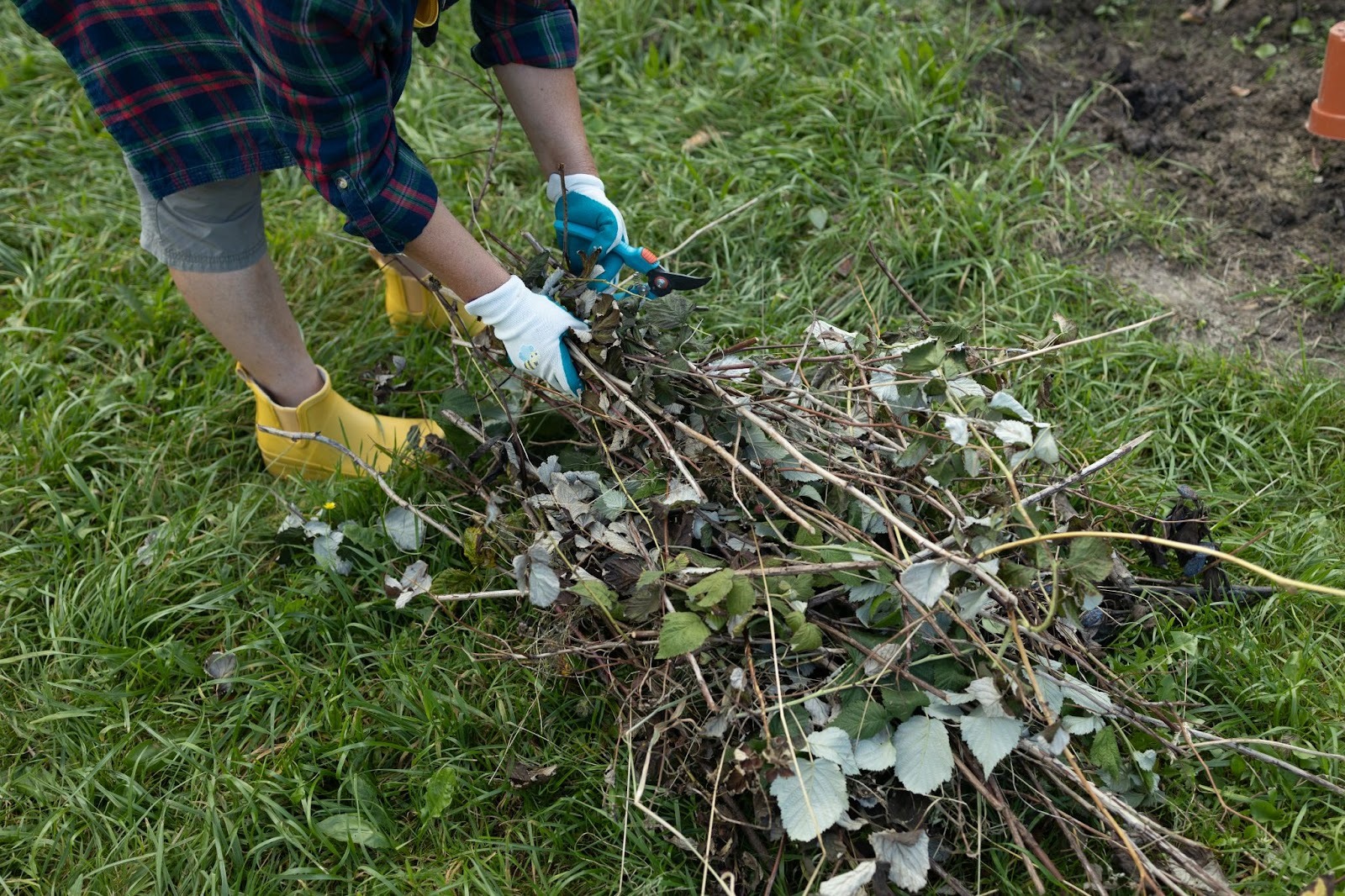
Overgrown brush can turn a peaceful property into a safety hazard. Dense vegetation hides pests, fuels wildfires, and blocks access to key areas. Many property owners turn to brush removal services to reclaim their land safely and restore its appearance. However, most accidents occur before or after the clearing, underscoring the importance of preparation and post-cleanup awareness for safety and efficiency.
Why Brush Removal Safety Tips Truly Matter
Brush removal may look simple, but it carries real risks that many property owners overlook. Chainsaws, grinders, and debris can cause serious injuries if handled carelessly. Hidden hazards such as roots, wires, and dry vegetation increase the danger when safety steps are ignored. Knowing the right safety tips prevents accidents, protects property, and makes removal efficient. A well-informed homeowner creates a safer work environment and avoids costly mistakes during and after the job.
Key Safety Steps Before and After Brush Removal
Every stage of brush removal carries its own safety challenges. Careful planning makes all the difference from preparing your property to handling post-cleanup hazards. Neglecting safety can turn a simple clearing project into a costly accident. Taking time to follow proven steps protects people and property while ensuring the job gets done right.
Prepare Your Property Safely Before Clearing Work
Proper preparation determines how safe and effective your clearing project will be. Every property presents unique risks, from hidden rocks to tangled roots. Understanding the terrain and planning ahead prevents injuries and delays. Taking action before the crew arrives sets the stage for a safer, faster, and more successful clearing process.
Inspect the Area for Hidden Hazards
Start by surveying the site for safety risks. Rocks, uneven soil, or buried wires can damage equipment or cause injury. Wildlife such as snakes, bees, or rodents often shelter under thick brush, so proceed cautiously. Document any hazards and inform your contractor before the project begins. Removing small debris ahead of time reduces tripping risks and speeds up the removal process. Early inspection eliminates surprises and protects everyone on-site.
Communicate Clearly With Your Contractor
A successful clearing job starts with communication. Discuss your goals, priorities, and safety expectations in advance. Professional crews need accurate information about obstacles, access points, and property lines. Ask about their tools, techniques, and safety measures to understand how they’ll approach your project. Confirm that the company has valid insurance and proper licensing to protect against liability. Open communication builds trust and ensures no step is overlooked.
Remove Personal Items and Mark Property Lines
Before work begins, move outdoor furniture, garden tools, and fragile decorations out of the clearing zone. Use bright stakes or ribbons to mark property boundaries, especially if trees or brush sit near neighboring lots. Relocate vehicles from driveways to prevent debris damage. Inform nearby residents about the schedule to minimize disruptions. These actions safeguard your belongings and create a respectful working environment for everyone involved.
Monitor Weather and Ground Conditions
Weather plays a significant role in safety when clearing land. Wet soil can cause machinery to slide or sink, while strong winds increase the risk of flying debris. Always check forecasts one or two days before the project. If heavy rain or drought warnings are issued, reschedule to avoid dangerous conditions. Dry seasons may require extra precautions, especially with a high wildfire risk. Choosing the right timing makes the job safer and more efficient.
Stay Alert and Safe While Clearing Vegetation
Safety doesn’t stop once the crew begins working—it intensifies. Clearing vegetation involves powerful machines, rotating blades, and heavy debris. Homeowners should stay alert, maintain distance, and avoid entering the work zone. Observing safety keeps the project on track and prevents unnecessary injuries.
Maintain a Safe Distance from Equipment
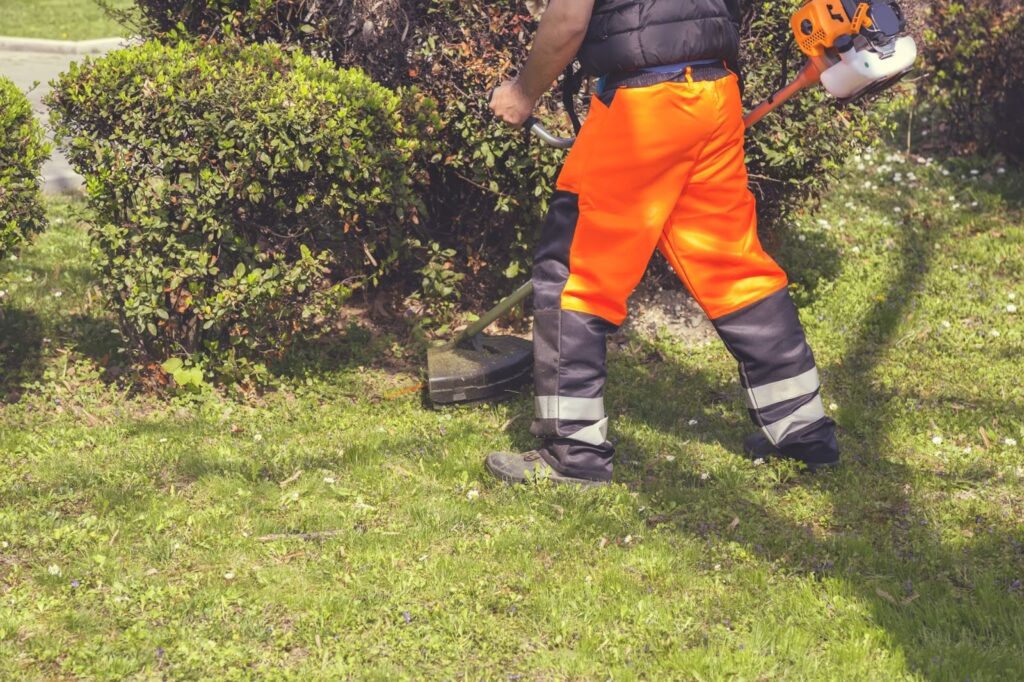
Brush cutters, mulchers, and chainsaws operate with incredible force. Keep yourself, children, and pets at least 50 feet away from active areas. Flying sticks, stones, or metal fragments can cause severe injuries. Place visual markers or cones to remind others where it’s unsafe to stand. Avoid crossing into work zones to ask questions—wait for breaks instead. A clear perimeter protects everyone and helps the team focus on their task.
Wear Protective Gear When Assisting
Wear proper gear from head to toe to help with minor cleanup. Sturdy boots, gloves, and safety glasses protect you from cuts, splinters, and sharp debris. Avoid loose clothing or jewelry that could catch on branches or tools. Ear protection is essential when using loud machinery. Stay hydrated and take short breaks to maintain focus and reduce fatigue. Consistent use of protective gear keeps even small tasks safe.
Prevent Fire Hazards in Dry Conditions
Dry vegetation can ignite quickly during clearing work. Tools that spark or heat up are risky when working near dry grass. Keep water sources or extinguishers nearby at all times. Avoid operating engines over piles of dried debris, and let equipment cool before refueling. Check local fire warnings before the job starts to avoid violations or accidents. Simple prevention steps protect your property from severe fire damage.
Manage Waste Piles Safely
Improperly stacked brush piles can collapse or roll downhill. Ask your crew to keep piles compact and away from pathways or structures—separate large branches from small debris to simplify later disposal. Avoid piling material near fences or storage sheds where pests might nest. If space allows, designate a single area for all waste collection. Proper pile management speeds up and makes post-removal cleanup safer.
Secure and Restore Your Property After Clearing
Once the vegetation is cleared, it’s time to assess your land. Leftover debris, uneven soil, and exposed roots can cause accidents or create new problems. A careful walkthrough helps you spot issues before they worsen. The steps you take immediately after clearing determine your property’s safety and sustainability.
Inspect the Site After Work Completion
Take your time examining the cleared area for remaining debris. Look for nails, glass, wire, or sharp twigs that could injure someone or damage tires. Use a rake to collect small pieces and ensure walkways are clear. For larger areas, a magnetic sweeper can help catch hidden metal objects. Clean surfaces reduce regrowth and create a safer space for outdoor use. A second inspection the next day helps catch anything missed earlier.
Restore Ground and Soil Health
Clearing vegetation can strip away protective ground cover, leaving soil vulnerable. Reseed bare patches with grass or cover crops to prevent erosion. Apply mulch or compost to strengthen topsoil and support regrowth. Fill holes or ruts made by heavy equipment to keep the surface even. Water lightly to help new plants establish quickly. Restoring the land’s natural balance preserves long-term safety and appearance.
Dispose of Brush Responsibly
Proper waste disposal matters for both safety and compliance. Contact local services about green waste collection or community composting programs. Burning debris without permits can violate fire regulations and pose risks. Chipping branches into mulch offers an eco-friendly recycling option. Larger logs can be cut for firewood if allowed in your area. Responsible disposal maintains order and supports sustainability goals.

Watch for Regrowth and Pest Invasion
Cleared land often attracts unwanted regrowth and new pests. Look for shoots sprouting from remaining roots. Trim them early before they spread. Check for insects or rodents nesting in leftover piles or disturbed soil. Use eco-safe repellents or barriers to discourage infestations. Scheduling periodic checks every few weeks keeps your property under control. Ongoing maintenance ensures your safety investment pays off long-term.
Professional Maintenance After Brush Removal
Consistent upkeep preserves the results of your brush removal project. Partnering with your brush removal contractor for follow-up visits maintains safety and prevents overgrowth. Scheduled maintenance minimizes costs and reduces future risks. A well-maintained property stays cleaner, safer, and more attractive year-round.
Schedule Regular Inspections and Assessments
Routine inspections identify regrowth, soil erosion, and drainage problems early. Ask your contractor to evaluate the site every few months. They can recommend preventive measures like root removal or erosion barriers. Keep written notes of each visit for insurance or property records. Minor adjustments today can prevent expensive issues tomorrow. Consistent oversight protects both your investment and safety.
Use Smart Landscaping to Prevent Regrowth
Strategic landscaping makes future maintenance easier. Planting ground covers such as clover or native grasses helps block weeds. Trim tree limbs regularly to reduce falling debris and shade-related growth. Add rock borders or gravel zones around brush-prone areas to control spreading roots. Design your landscape to channel rainwater and prevent soil erosion safely. Thoughtful design dramatically cuts future brush removal needs.
Recycle or Reuse Cleared Materials
Brush removal doesn’t always mean disposal. Reusing materials can add value to your landscape. Chipped wood works well as mulch to retain soil moisture. Thick logs can become natural barriers or decorative accents. Composting small branches helps improve soil quality over time. Recycling reduces waste and contributes to a greener, healthier property environment.
Brush Removal Safety Requires Constant Awareness
Safety during and after brush removal is never a one-time effort. It’s an ongoing habit that protects people, property, and the environment. Taking time to plan and follow up prevents costly damage and unnecessary risk. Continuous awareness keeps your land ready for safe use year-round.
Make Safety a Daily Practice
Safety begins with mindfulness. Before any outdoor project, review basic protective measures like wearing gear and checking conditions. Keep tools maintained and stored correctly to prevent injuries. Share safety guidelines with family or employees who work outdoors. Habits form through repetition, and small daily steps lead to lasting awareness. A culture of safety strengthens every part of property management.
Train Others and Maintain Consistency
Every person who works or lives on your property should understand brush safety. Conduct short safety talks before yard work or seasonal projects. Demonstrate proper lifting, handling, and disposal techniques. Encourage others to report hazards they notice. Reinforcing these habits builds a cooperative safety mindset. Consistency ensures no risk goes unnoticed or ignored.
Plan for Seasonal Brush Management
Brush growth changes with the seasons. Create a maintenance calendar that includes spring clearing, summer monitoring, and fall cleanup. Schedule professional services before vegetation becomes dense or dry. This proactive approach prevents future hazards and saves money. Maintaining regular control keeps the property accessible and fire-safe. Planning eliminates the stress of emergency brush-clearing later.
Prioritize Safety When Managing Brush and Growth
Safety is more than a precaution—it’s the foundation of responsible property care. Each decision you make before, during, and after clearing determines how protected your land remains. Consistent safety habits reduce risks, prevent costly damage, and reflect pride in ownership. Treat every brush-clearing project as an investment in your property’s future —not just a routine task —and you’ll build a landscape that stays beautiful and safe year after year.
Visit the EML Tree Services LLC blog for practical advice, industry updates, and proven techniques to maintain a safer, cleaner landscape.