Trees add charm, comfort, and value to every property but demand consistent care. Deciding between tree removal and trimming becomes crucial when branches grow out of control or disease occurs. Many homeowners confuse the two, leading to unnecessary costs or damage. Understanding their differences helps you maintain a safe, beautiful, thriving landscape year-round.
Understanding Professional Tree Removal Service
Tree removal service means removing a tree that poses safety or structural risks. Professionals assess the tree’s health, position, and surroundings before cutting it to prevent harm. This process requires skill, equipment, and experience to control every tree movement. Removing a tree correctly protects nearby structures and prepares the space for new landscaping or construction.
What Tree Removal Service Includes
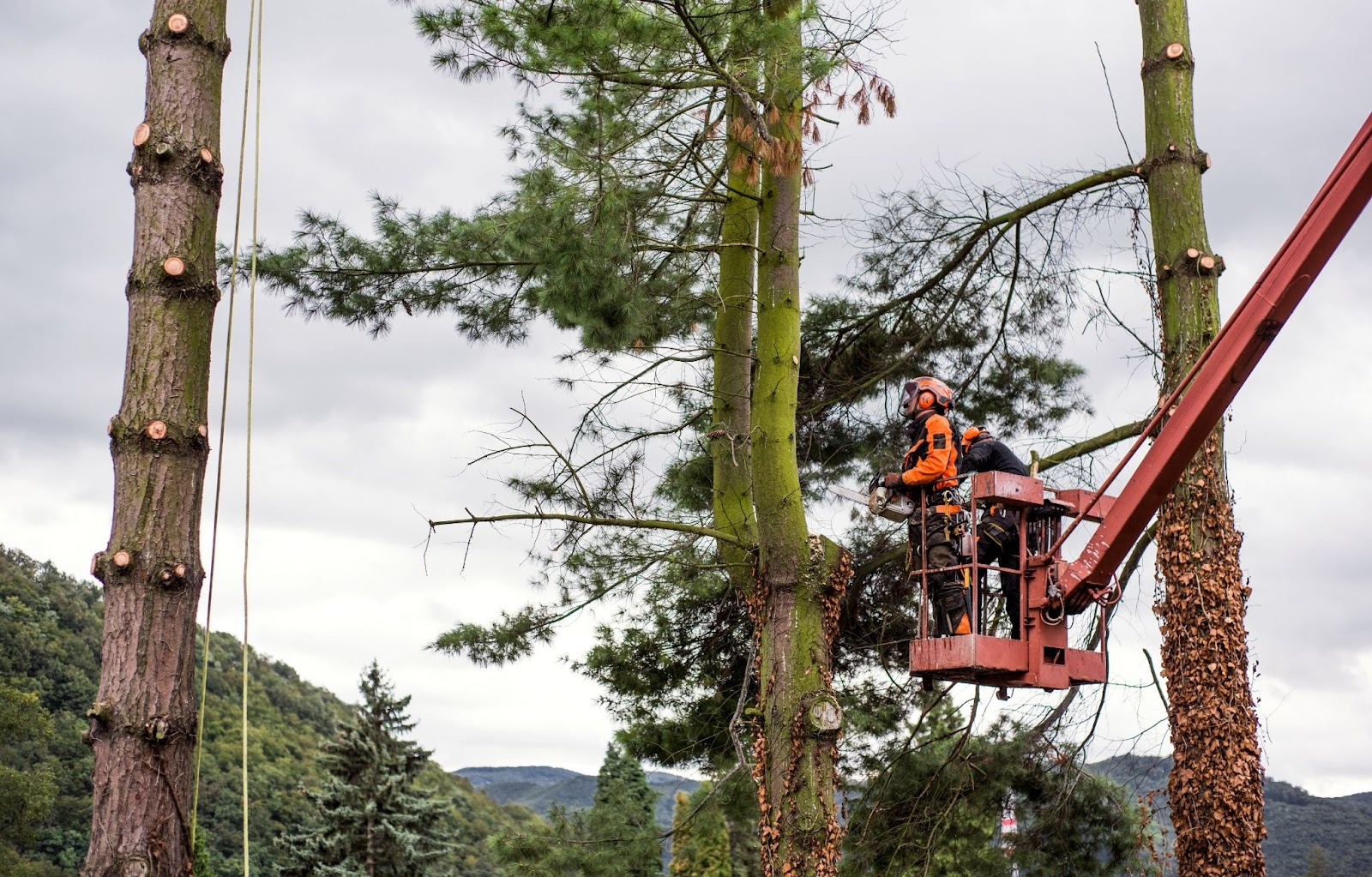
Tree removal involves removing the entire tree, cutting it into sections, and safely disposing of debris. Certified arborists evaluate the tree’s size and condition and lean toward planning a safe removal method. They use chainsaws, rigging ropes, and cranes when needed for stability and precision. Each branch is lowered carefully to avoid impact damage. Once complete, the team grinds the stump and clears the area. This detailed process ensures both safety and efficiency for homeowners.
When Tree Removal Becomes Necessary
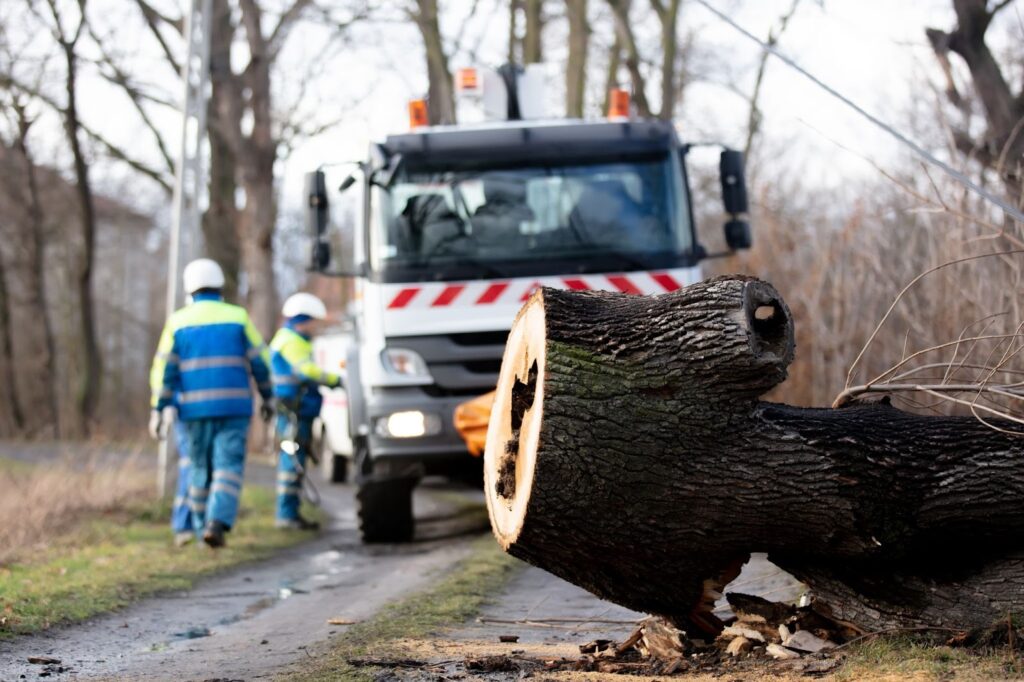
Removal is required when a tree becomes unstable, diseased, or damaged beyond recovery. Storms, rot, or pests can cause dangerous leaning or hollow trunks. Roots may also spread beneath foundations, leading to cracks or uneven driveways. In such cases, trimming cannot restore safety or stability. Tree removal prevents accidents, property damage, and costly repairs. Addressing the problem quickly helps protect your home and neighboring structures.
The Process of Professional Tree Removal
The process begins with a professional inspection to determine risks and access points. Crews prepare the area by clearing obstacles and positioning safety equipment. Each tree section is cut and guided down with ropes for control. Larger trees may require cranes for secure removal. Afterward, debris is chipped, and the stump can be ground below soil level. This organized process minimizes disruption and leaves your yard safe and clean.
Benefits of Expert Tree Removal Services
Expert removal protects property and prevents potential injuries from falling limbs. Professional arborists carry insurance and follow strict safety standards. They use advanced techniques to remove trees near houses, fences, or power lines. Additionally, they know how to identify diseases that could spread to nearby trees. Efficient removal clears space for replanting and enhances overall landscape design. Entrusting professionals guarantees peace of mind and reliable results.
The Purpose and Process of Tree Trimming
Tree trimming focuses on maintaining the health, shape, and safety of growing trees. It prevents overgrowth, improves airflow, and enhances sunlight exposure to the canopy. Unlike removal, trimming extends the tree’s lifespan and keeps it strong. Regular trimming also preserves your property’s beauty while reducing future risks.
What Tree Trimming Actually Means
Tree trimming involves cutting back overgrown or unhealthy branches to promote balanced growth. It targets dead or crossing limbs that block light or airflow. Trimming shapes the canopy, allowing sunlight to reach the grass and plants below. Professionals use tools like pruning saws and shears for clean, strategic cuts. Trimming may occur once or twice a year, depending on the tree type. This regular care keeps trees vibrant and visually appealing throughout the seasons.
Key Benefits of Tree Trimming Services
Trimming improves both health and appearance. It prevents disease by removing infected branches before they spread further. A well-trimmed tree withstands strong winds and heavy rains better than neglected ones. It also boosts curb appeal by maintaining a balanced, symmetrical form. Healthy trees can raise property value by enhancing landscape aesthetics. Additionally, regular trimming reduces the risk of costly emergency removals.
Professional Techniques in Tree Trimming
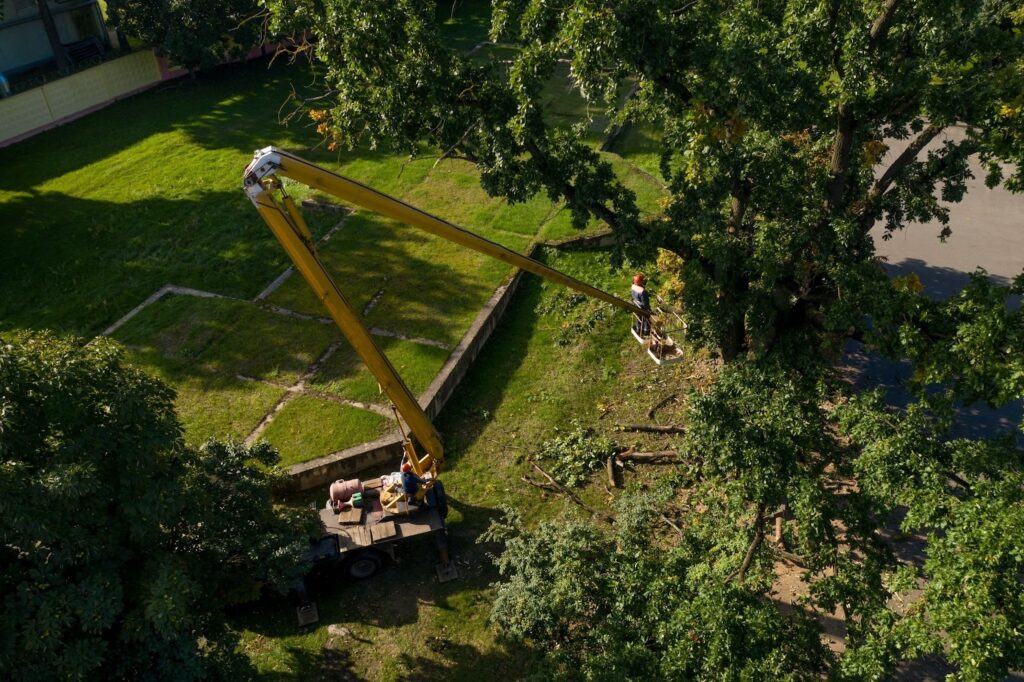
Certified arborists use several trimming techniques tailored to each tree. Crown thinning removes select branches to improve air and light flow. Canopy lifting raises the lower branches for better clearance near homes or sidewalks. Reduction trimming shortens heavy branches to reduce weight stress on the tree. Each cut follows the natural growth pattern, preventing unnecessary wounds. Timing is also essential; winter or early spring trimming often promotes stronger regrowth. This methodical approach ensures long-term health and structure.
Common Tree Trimming Mistakes
Improper trimming can weaken trees rather than help them grow. Cutting too many branches limits nutrient flow and exposes the inner bark to sunlight damage. Trimming at the wrong angle can lead to uneven growth or entry points for disease. Using dull tools may tear bark and cause infection. Skipping regular maintenance also encourages uncontrolled branch growth. Trusting professionals avoids these mistakes and keeps your trees healthy for years.
Comparing Tree Removal Service and Tree Trimming
Tree removal and trimming may seem similar, but their purposes differ entirely. Removal eliminates unsafe trees, while trimming preserves healthy ones. Both enhance property safety and visual balance but require different skills and equipment. Understanding these distinctions helps property owners make informed decisions about their landscape.
Purpose and Outcome of Each Service
Tree removal eliminates a tree, ending all related risks. It’s often chosen when safety or construction needs take priority. Tree trimming, on the other hand, maintains growth and enhances stability. The outcome is a tree that looks balanced and continues to thrive. Removal permanently alters the space, while trimming improves existing greenery. Each service serves a distinct purpose based on condition and need.
Cost Comparison Between Trimming and Removal
Costs vary due to tree size, accessibility, and location. Tree removal typically costs more because it involves labor-intensive work and specialized machinery. Trimming is less expensive and serves as preventive maintenance, reducing future removal costs. Regular trimming also keeps trees manageable, lowering potential damage expenses. Investing in scheduled trimming can extend the lifespan of your landscape. Over time, preventive care saves more than emergency removal.
Safety and Equipment Differences
Tree removal requires cranes, chainsaws, and heavy-duty rigging systems for control. These tools demand trained professionals to operate safely around buildings and power lines. While less hazardous, tree trimming involves ladders, safety harnesses, and precise cutting tools. Both processes carry risks when done without expertise. Professional crews follow safety standards to protect themselves and your property. Choosing trained arborists prevents accidents and costly mistakes.
Environmental and Legal Impacts
Tree removal can affect wildlife habitats and local ecosystems. Some cities regulate which trees can be cut down and require permits for removal. Trimming supports sustainability by maintaining healthy trees that absorb carbon dioxide and provide shade. Responsible tree services follow environmental laws and recycle wood waste responsibly. These efforts balance landscape needs with environmental protection. Working with licensed companies ensures compliance with local guidelines.
Long-Term Landscape Effects
Tree removal changes sunlight patterns and soil stability. It opens up new design possibilities but also permanently alters the environment. Tree trimming maintains balance by managing growth without disrupting natural systems. Healthy, well-shaped trees improve property harmony and shade distribution. Regular trimming supports a stable ecosystem while preventing hazards. Both services, when used wisely, enhance long-term property appeal and safety.
How to Choose Between Tree Removal and Trimming
Choosing the exemplary service depends on the tree’s health, safety risk, and your property goals. An expert assessment can identify whether trimming or removal offers the best outcome. The right choice protects your investment and supports sustainable landscaping. Understanding what each service achieves helps avoid unnecessary costs or damage.
Assessing Tree Health and Safety Risks
Arborists check for signs of decay, hollow trunks, or fungal growth. These are indicators that a tree may no longer be safe. A healthy tree with minor damage can recover through targeted trimming. However, removal is safer and more effective when the disease spreads to the core. Professional assessments reveal internal conditions not visible to the untrained eye. Addressing these issues early prevents larger hazards later.
Aligning Decisions With Property Goals
Property upgrades or redesigns often influence tree care decisions. Removal may be practical if a tree blocks sunlight, sits too close to a structure, or interferes with construction plans. For aesthetic enhancement, trimming provides shape and balance without complete removal. Maintaining consistent growth supports property symmetry and long-term beauty. Each choice should match your broader landscaping vision. Consulting a professional ensures the outcome aligns with both safety and style.
Root and Structural Interference
Tree roots can invade plumbing lines, foundations, or sidewalks. These hidden problems worsen over time, even with surface trimming. When roots compromise infrastructure, removal becomes unavoidable. Roots on sloped or compact soil may also cause uneven ground or erosion. Evaluating underground interference helps homeowners make practical decisions. Addressing these issues early prevents expensive structural repairs.
Choosing a Reliable Tree Care Provider
Selecting an experienced, insured company guarantees safe, quality work. Certified arborists follow industry standards set by organizations like the International Society of Arboriculture (ISA). Reputable services provide transparent quotes, clear communication, and documented experience. Avoid companies that skip safety measures or lack proper credentials. Reliable providers also offer routine maintenance plans to extend the tree’s life. Partnering with trusted professionals ensures long-term results and safety assurance.
Regular Tree Inspections and Maintenance
Routine inspections identify weak branches, root issues, or disease before they worsen. Trimming during inspection helps strengthen the tree and maintain its structure. These visits allow professionals to monitor seasonal growth patterns and environmental stress. Preventive maintenance also improves soil quality and water distribution. Consistent care creates healthier, longer-living trees. Regular evaluations preserve landscape beauty and prevent unnecessary removals.
Choose Expert Tree Removal Service for a Safer Property
Healthy, well-managed trees reflect care and responsibility, while neglected ones can threaten safety and value. Acting before minor issues become hazards protects more than your landscape; it protects your home and peace of mind. Trusting certified tree specialists ensures every branch and root is handled skillfully. Reach out to a local tree care professional today and let your property thrive with strength, safety, and lasting beauty.
Grow your knowledge as your trees grow strong. Visit the EML Tree Services LLC blog for expert insights, seasonal care tips, and real solutions for your landscape.