
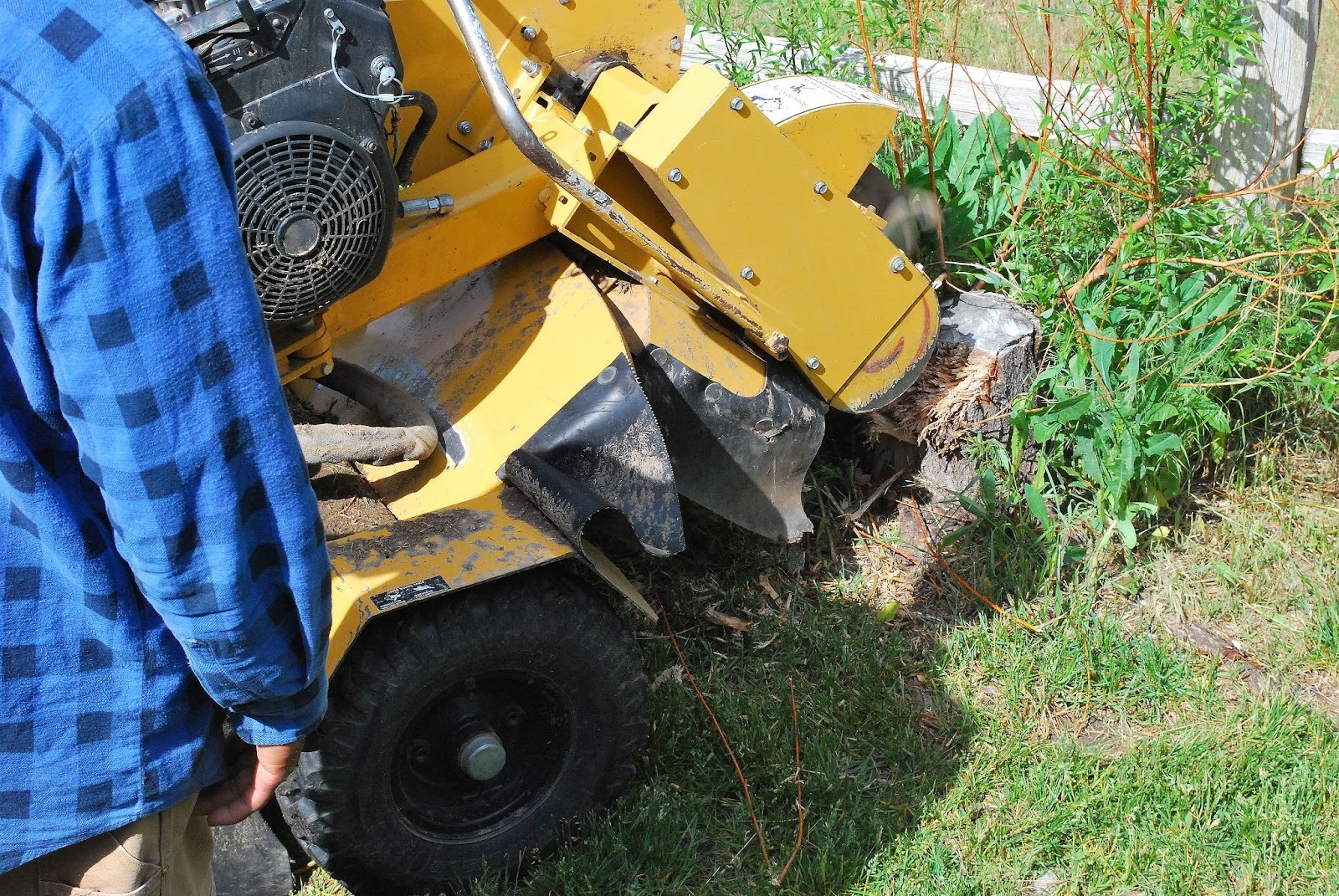
Tree stumps rarely look dangerous at first, yet they quietly create ongoing safety issues. These leftover structures interrupt foot traffic, damage landscaping plans, and attract pests over time. Stump grinding offers a controlled removal method that reduces risks without harming surrounding soil or structures. Many property owners prefer this method because it limits disruption while restoring usable ground. Few removal methods address safety, appearance, and long-term property care as effectively as stump grinding.
Safety Risks of Leaving Tree Stumps in Place
Tree stumps create ongoing safety hazards once a tree is removed. These hazards increase as wood decays and blends into the surrounding landscapes. Property owners often overlook these dangers until accidents occur. Addressing stump-related risks protects visitors, residents, and long-term property value.
Trip and Fall Hazards Around Tree Stumps
Tree stumps create uneven ground, disrupting typical walking paths. This uneven surface becomes harder to see as grass grows around it. Guests, children, and workers face higher injury risks during routine movement. Falls caused by hidden stumps often lead to sprains or fractures. Property owners may face liability claims after these incidents. Stump grinding eradicates the obstruction at ground level.
Lawn Maintenance Injuries Caused by Stumps
Tree stumps interfere with mowing and trimming tasks. Equipment blades can unexpectedly strike exposed wood. This impact may cause debris to fly toward operators or bystanders. Sudden jolts also increase the risk of strain injuries during maintenance. Repeated contact with lawn equipment over time damages it. Stump grinding prevents these maintenance-related risks.
What Stump Grinding is and How it Works
Stump grinding removes tree stumps using specialized cutting equipment. This removal method focuses on controlled surface reduction instead of excavation. Property owners value stump grinding for its precision and speed. The process restores usable land without disturbing nearby structures.
Equipment Used in Professional Stump Grinding
Stump grinders use rotating cutting wheels with hardened teeth. These machines grind wood into small, manageable chips. Operators control depth based on stump size and location. This equipment allows precise removal below the soil level. Nearby plants and roots remain largely undisturbed. Modern grinders prioritize safety and stability during operation.
Step-By-Step Stump Grinding Process
Operators first clear debris from the stump area. This preparation step reduces unexpected obstructions. Grinding begins at the stump’s top surface. Wood is reduced gradually through controlled movements. The stump disappears below ground level. The area becomes ready for soil filling or landscaping.
Why Stump Grinding is Safer Than Digging
Digging out tree stumps introduces unpredictable underground risks. Roots often spread wider than expected beneath the soil surface. Heavy equipment increases the chance of damage near utilities. Stump grinding avoids these hazards by removing them from the surface.
Physical Injuries Linked to Manual Digging
Manual digging requires forceful use of sharp tools. This physical effort increases strain and fatigue. Hidden roots resist cutting and cause sudden movements. Minor slips may result in serious injuries. Fatigue reduces reaction time during removal. Grinding replaces manual labor with mechanical control.
Structural Damage From Excavation Methods
Excavation disturbs large areas of surrounding soil. This soil movement may affect sidewalks or foundations. Underground pipes become exposed during digging. Repairs often exceed the original removal cost. Landscaping damage usually follows excavation work. Grinding preserves soil stability around the stump.
Lower Risk of Soil Collapse and Ground Instability
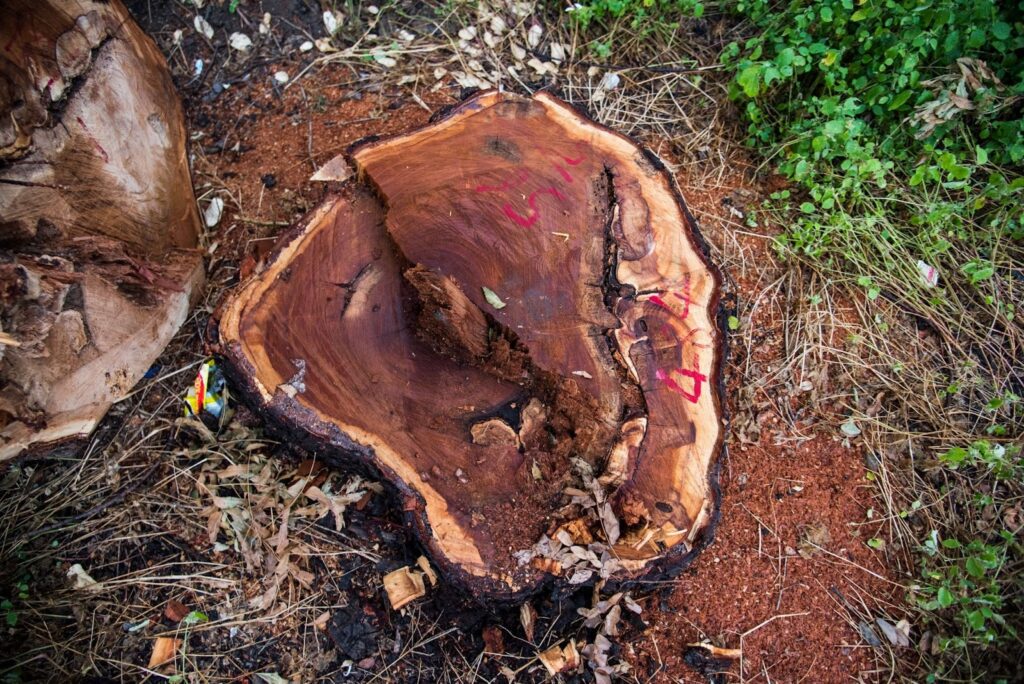
Digging removes large sections of soil around the stump and roots. This ground disturbance weakens the surrounding support structures. Loose soil increases the chance of collapse during removal. Nearby walkways and foundations become vulnerable to shifting. Stump grinding limits soil disruption to the immediate stump area. Ground stability remains intact throughout the process.
Fire and Health Risks of Burning Tree Stumps
Burning tree stumps introduces hazards that extend beyond the immediate removal site. Fire behaves unpredictably underground, especially when roots spread unseen. Smoke and heat affect people, structures, and soil conditions in the vicinity. For property owners, these risks often outweigh any perceived convenience.
Fire Spread Risks During Stump Burning
Tree roots create natural pathways that allow fire to travel underground. Flames may surface far from the original burn location. Nearby structures face exposure without clear warning signs. Wind conditions further complicate fire control efforts. Local authorities frequently restrict this practice due to safety concerns. Stump grinding removes the need for fire-based methods entirely.
Air Quality and Soil Damage Concerns
Burning stumps releases smoke containing harmful particles. These emissions affect air quality for neighboring homes and businesses. Prolonged exposure increases respiratory discomfort for sensitive individuals. Heat also alters soil composition beneath the burn site. Beneficial organisms die during combustion. Stump grinding avoids these long-term environmental consequences.
Property Protection Benefits of Stump Grinding
Stump grinding addresses safety concerns while protecting surrounding property features. This method limits disruption to soil, landscaping, and nearby structures. Property owners gain a safer environment without sacrificing land stability. The controlled process supports both immediate and long-term property care.
Prevents Root-Related Surface Damage
Tree roots continue expanding long after visible removal. These roots push against sidewalks, patios, and driveways. Surface cracks develop gradually and worsen over time. Repairs often become costly once damage appears. Grinding stops root growth at its source. Stable ground helps preserve nearby surfaces.
Improves Landscape Appearance and Use
Tree stumps interrupt clean landscape design and layout. These obstacles make outdoor spaces feel unfinished. Buyers and visitors notice such details quickly. Grinding creates a smooth, level surface after removal. Areas become usable for planting or foot traffic. Visual consistency improves overall property presentation.
Protects Underground Infrastructure Near Stumps
Tree roots often grow near water lines and drainage systems. These roots place pressure on pipes over time. Small cracks may form without visible warning signs. Repairs require excavation, which disrupts the surrounding area. Grinding halts root expansion before damage occurs. Infrastructure remains protected beneath stable soil.
Supports Future Construction and Landscaping Plans
Stumps restrict flexibility for future property projects. New patios, walkways, or plantings require clear ground. Leaving stumps limits layout options unnecessarily. Grinding clears space without altering surrounding grades. Planning becomes more straightforward and more predictable. Property upgrades proceed without avoidable delays.
Health and Environmental Benefits of Stump Grinding
Stump grinding supports healthier outdoor spaces without harsh removal methods. This approach reduces biological threats while maintaining soil balance. Environmental impact remains limited and controlled. Property owners benefit from safer, cleaner surroundings.
Reduces Pest and Insect Habitats
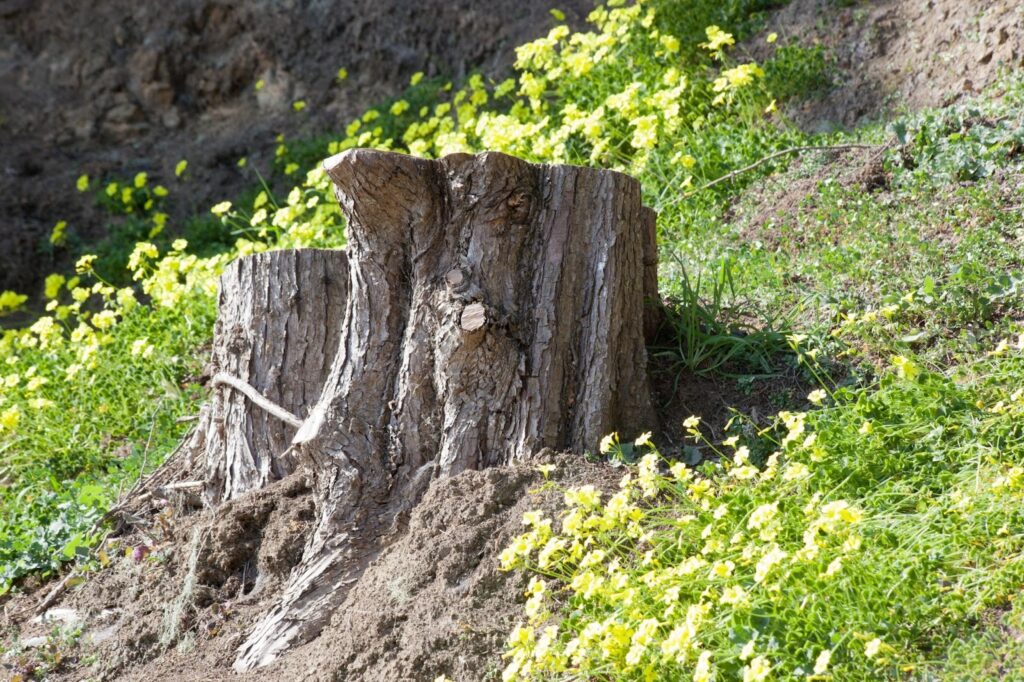
Decaying stumps attract termites, ants, and beetles. Rodents often shelter inside hollow wood. These pests spread toward nearby buildings. Infestations increase treatment needs over time. Grinding removes the habitat entirely. Prevention proves more effective than repeated pest control.
Reuses Wood Chips After Grinding
Grinding produces organic wood chips on site. These chips work well as mulch in landscaping. Mulch helps retain moisture and regulate soil temperature. Weed growth decreases naturally. Disposal of waste remains minimal. Responsible reuse supports sustainable property maintenance.
Improves Outdoor Air Quality Around Properties
Decaying wood releases spores and organic particles into the air. These particles irritate allergies and respiratory conditions. Moist stumps worsen air quality during humid seasons. Grinding removes the source of airborne irritants. Outdoor spaces feel cleaner and more comfortable afterward. Health conditions improve through source removal.
How Professional Stump Grinding Improves Safety
Professional stump grinding services add another layer of safety and reliability. Trained operators manage equipment with precision. Experience reduces the chance of accidental damage. Property owners gain confidence through professional oversight.
Operator Training and Site Control
Professionals understand grinder behavior under varying conditions. They adjust techniques based on stump size and location. Experience limits unexpected machine movement. Clear work zones protect people and property in the area. Operators follow established safety protocols. Skill reduces avoidable mistakes.
Insurance and Compliance Advantages
Licensed services carry appropriate insurance coverage. This coverage protects property owners from liability. Documentation supports local compliance requirements. Disputes become easier to resolve when issues arise. Accountability strengthens service reliability. Safety extends beyond the removal process.
Risk Assessment Before Grinding Begins
Professional crews assess each site before operating equipment. This assessment identifies slopes, utilities, and nearby structures. Adjustments are made to reduce operational risks. Potential hazards get addressed before work starts. Planning improves control throughout removal. Safety improves through preparation rather than reaction.
Long-Term Cost Safety of Stump Grinding
Stump grinding supports financial stability alongside physical safety. This method offers predictable pricing with clear expectations. Alternative removal options often introduce hidden expenses. Property owners benefit from controlled costs.
Avoids Repeat Maintenance Expenses
Untreated stumps require ongoing attention. Regrowth demands repeated cutting efforts. Pest treatments add recurring costs. Equipment repairs become frequent after contact with stumps. Grinding ends these cycles completely. One service addresses multiple future expenses.
Prevents Landscape Repair Costs
Excavation disrupts lawns and irrigation systems. Restoration increases project costs unexpectedly. Burning damages soil that needs replacement. Grinding limits surface disturbance. Restoration needs remain minimal. Budget control improves overall planning.
Reduces Liability and Insurance-Related Expenses
Stumps increase the risk of injury claims on properties. These incidents often lead to insurance involvement. Premiums may rise after repeated claims. Grinding removes known hazards from the landscape. Risk exposure decreases once stumps are removed. Long-term insurance costs remain more stable.
Prioritize Stump Grinding for Safer Grounds
Tree stumps continue to pose risks long after tree removal ends. These risks affect foot traffic, maintenance routines, and overall land usability. Stump grinding offers a controlled solution that removes hazards without disturbing surrounding structures or soil. Property owners who prioritize stump grinding create safer, more functional outdoor spaces that support daily use and long-term property care.
Discover how informed tree care decisions protect your property by reading the latest updates on the EML Tree Services LLC blog.