
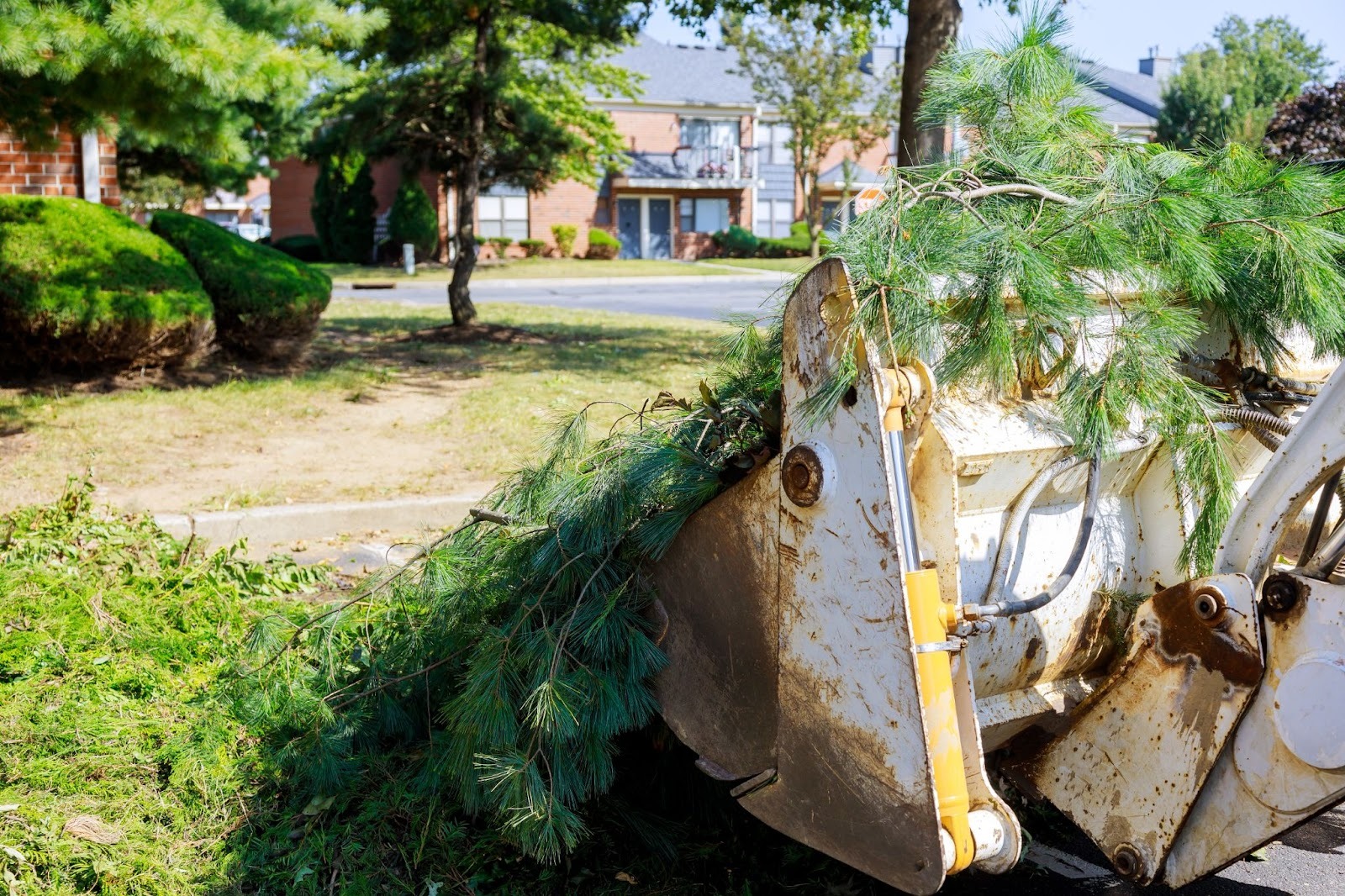
Tree services give property owners steady control over how landscapes grow and mature. Trees shape shade, safety, and the overall feel of outdoor spaces every day. When professionals guide that growth, landscapes stay balanced instead of becoming crowded or uneven. Consistent care keeps trees aligned with walkways, structures, and surrounding plant life. Tree services support lasting outdoor value through informed, ongoing decisions.
Tree Services and Landscape Health Basics
Tree services involve professional methods that support healthy tree growth and long-term stability. These services address pruning, inspections, soil conditions, and growth management. Landscapes rely on trees that grow with intention rather than unchecked expansion. Regular service keeps tree health aligned with surrounding plants and outdoor features.
Tree Structure Management Through Professional Care
Tree structure management focuses on guiding the development of trunks and branches over time. Arborists carefully study growth patterns, branch angles, and weight distribution. This professional assessment reduces stress that leads to cracks or limb failure. A strong structure helps trees withstand wind, rain, and seasonal pressure. Property owners experience fewer unexpected problems as trees mature. Structured growth also keeps trees visually balanced within the landscape.
Canopy Density Control for Healthier Growth
Canopy density control reduces crowding within the upper tree crown. Dense growth limits airflow and traps moisture between branches—arborists thin selective limbs to improve light and air circulation. Better airflow naturally discourages decay and insect activity. Plants below receive more sunlight after adjustments. Landscapes appear brighter and more open as a result.
Root Zone and Soil Health Services
Root zone care targets underground conditions affecting tree stability and growth. Compacted soil restricts water movement and oxygen access. Tree services may include soil loosening or nutrient support when needed. Healthier roots anchor trees more securely during weather changes. Nearby grass and plants benefit from improved soil quality. Strong root systems support consistent above-ground growth.
How Tree Services Support Healthy, Attractive Landscapes
Tree services provide the practical foundation that keeps landscapes functional and visually appealing over time. Professional care addresses growth patterns, safety concerns, and overall balance across outdoor spaces. When trees receive consistent attention, they support surrounding plants and structures more effectively. The following sections explain how targeted tree services contribute to stronger, safer, and better-looking landscapes.
Improve Landscape Appearance Through Proper Care
Proper landscape care keeps outdoor spaces visually balanced and inviting. Trees influence how properties feel the moment someone arrives. Thoughtful maintenance controls size, shape, and placement across the landscape. These adjustments help trees complement nearby structures and plants.
Shape Trees to Match Property Design
Tree shaping aligns growth with the overall property layout. Arborists trim branches to clearly frame entrances and walkways. Controlled height and spread prevent visual crowding. Trees support outdoor design instead of overwhelming it. This shaping improves curb appeal over time. Landscapes feel organized and intentional.
Remove Trees That Disrupt Visual Balance
Some trees disrupt landscape flow due to condition or placement. Dead or damaged trees often draw attention for negative reasons. Professionals remove these trees carefully without harming nearby features. Open space allows healthier trees to stand out. Property owners gain flexibility for future planting. The landscape appears cleaner and more cohesive.
Maintain Consistent Canopy Appearance
Consistent canopies create smooth visual flow across properties. Maintenance balances height and spread among nearby trees. Uniform canopies prevent patchy or uneven views. Balanced shade improves comfort in outdoor spaces. Regular trimming avoids sudden overgrowth. Landscapes retain a polished, well-kept look.
Protect Property Value Through Tree Maintenance
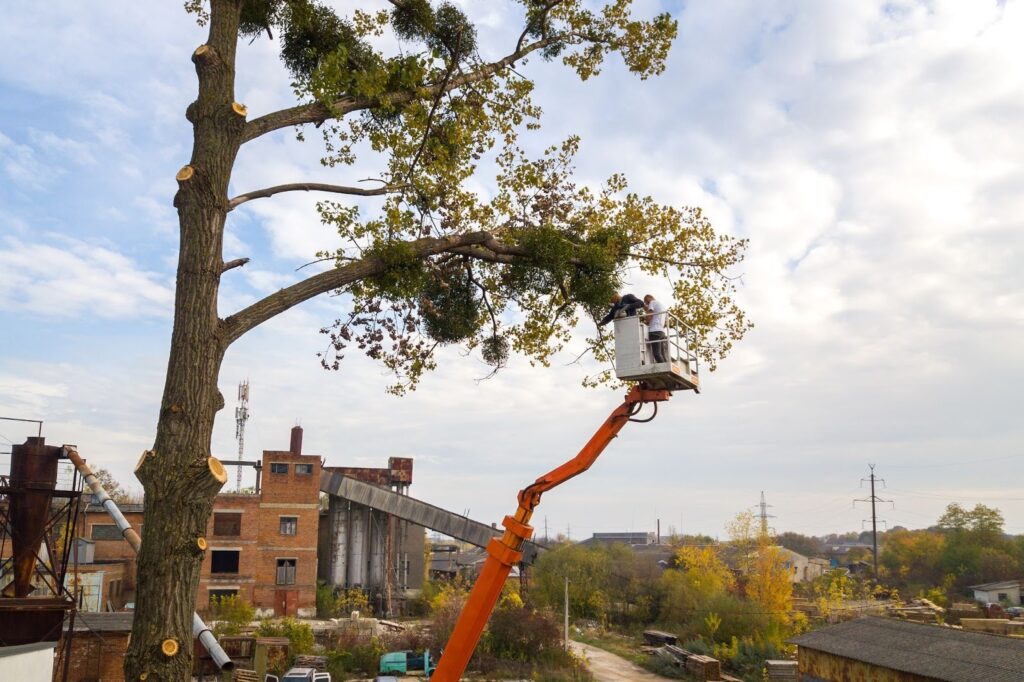
Tree maintenance supports long-term property value and usability. Healthy trees reflect attentive ownership to visitors and buyers. Neglected growth often signals deferred care. Professional maintenance strengthens first impressions.
Influence Buyer Perception With Healthy Trees
Buyer perception often starts with the outdoor appearance. Well-maintained trees suggest responsible property management. Maintenance addresses hazards flagged during inspections. Clean landscapes photograph better for listings. Buyers associate healthy trees with lower future costs. Confidence increases when trees appear stable.
Prevent Damage to Buildings and Surfaces
Tree growth near structures requires careful control. Maintenance manages branch clearance near roofs and siding. Root monitoring protects foundations and paved areas. Arborists recognize growth patterns that threaten structures. Addressing concerns reduces repair needs. Property features last longer with managed growth.
Support Long-Term Landscape Planning
Long-term planning aligns tree growth with property goals. Arborists consider renovations during maintenance planning. Gradual adjustments prevent sudden landscape disruption. Trees adapt naturally to planned changes. Owners maintain flexibility over outdoor use. Strategic care supports steady development.
Manage Seasonal Care for Year-Round Stability
Seasonal care adapts maintenance to growth cycles and weather changes. Trees respond differently as conditions shift. Planned service prevents gaps in care. Landscapes remain stable throughout the year.
Prepare Trees for Seasonal Weather Stress
Weather preparation strengthens trees against seasonal strain. Arborists remove weak limbs before harsh conditions set in. Balanced canopies respond better to wind exposure. Trimming reduces weight stress on trunks. Prepared trees experience fewer failures. Properties face fewer disruptions.
Control Growth During Active Seasons
Active growth seasons require consistent oversight. Spring and summer growth can quickly overwhelm landscapes. Maintenance manages expansion through timely trimming. Controlled growth improves sunlight access below canopies. Outdoor areas remain usable during peak months. Ongoing care limits corrective work later.
Assess Trees During Dormant Periods
Dormant periods reveal issues hidden by foliage. Bare branches clearly expose cracks and decay. Arborists inspect structures with better visibility. Identified concerns guide future maintenance plans. Winter evaluations prepare trees for growth cycles. Landscapes enter warmer seasons more stable.
Strengthen Property Safety Through Professional Care
Safety risks increase when trees grow unchecked. Hazards often develop gradually and quietly. Professional care focuses on prevention rather than reaction. Safer landscapes protect people and structures.
Identify Hidden Tree Hazards Before Failure
Some risks exist inside trunks or branch joints. Arborists detect decay through training and experience. This insight prevents sudden limb failure. Identified risks reduce liability exposure. Property owners gain peace of mind. Problems receive attention before escalation.
Maintain Clear Access and Visibility
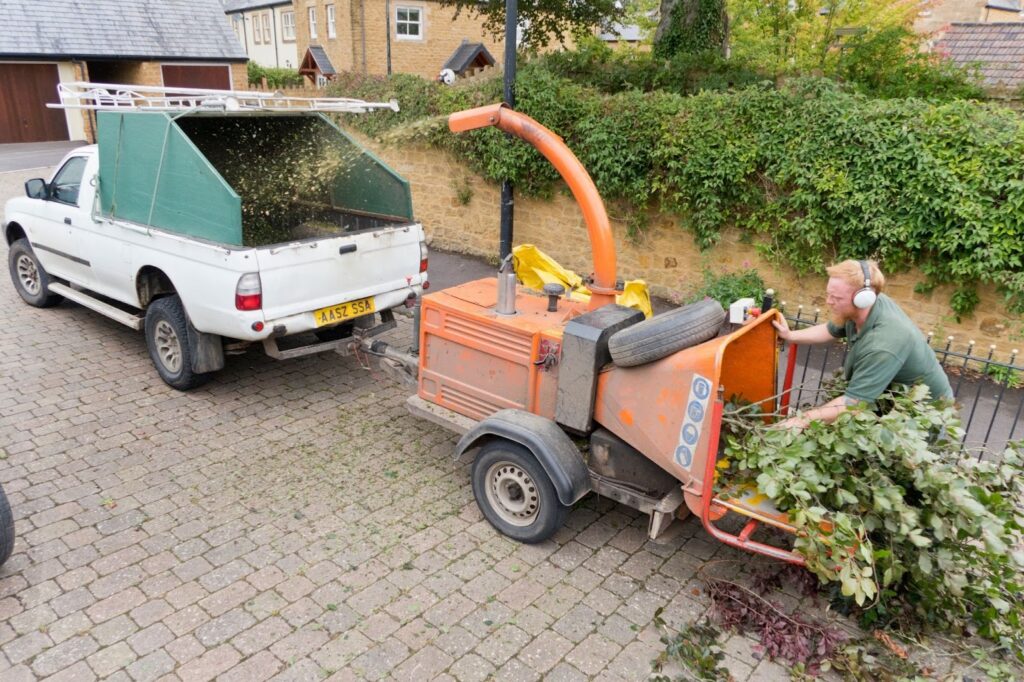
Overgrown branches block paths and driveways. Maintenance keeps access routes clear and visible. Improved visibility supports navigation and security. Emergency access remains unobstructed. Regular trimming prevents gradual blockage. Landscapes stay functional and welcoming.
Reduce Liability Risks on Residential Properties
Unchecked trees increase the risk of injury claims. Falling debris poses a risk during routine weather. Professional maintenance documents responsible care. Reduced hazards and lower liability concerns. Property owners benefit from predictable conditions. Safety improvements support long-term occupancy.
Support Emergency Access and Sightlines
Clear sightlines support emergency response needs. Overgrowth can delay service access. Regular trimming keeps layouts navigable. Responders benefit from unobstructed properties. Residents experience safer movement. Managed growth improves readiness.
Account for Time as a Tree Maintenance Variable
Time affects tree condition more than many property owners realize. Trees change gradually, which allows minor structural or health issues to develop unnoticed. Delayed maintenance often narrows service options and increases complexity. Professional planning accounts for timing to keep care effective and manageable.
Understand How Growth Timing Shapes Outcomes
Tree growth follows biological cycles that influence how trees respond to care. Pruning outside ideal windows can stress trees or slow recovery. Growth timing affects branch strength, canopy response, and root development. Professional scheduling aligns services with these natural cycles. This timing-based approach reduces shock and supports steady growth. Landscapes remain healthier when care matches tree biology.
Recognize How Delays Increase Maintenance Complexity
Delays allow minor issues to compound quietly. Slight structural imbalances grow heavier and harder to correct. Overextended branches require more invasive trimming later. Root conflicts expand beneath the surface without visible warning. Addressing issues sooner keeps work simpler and less disruptive. Properties benefit from smoother, more predictable maintenance.
Plan Tree Care Around Long-Term Property Use
Time-based planning aligns tree care with how properties evolve. Trees must adapt to changing layouts, usage, and features. Scheduled maintenance supports gradual adjustment instead of sudden correction. Professional oversight considers how trees will grow, not just how they look today. This foresight prevents conflicts with future improvements. Landscapes remain functional as property needs change.
Safety Benefits of Professional Tree Services
Tree services reduce safety risks across properties. Unmanaged trees develop hazards gradually. Professional care focuses on prevention over reaction. Safety improvements protect people and structures.
Identifying Hidden Tree Hazards
Hidden hazards often exist inside trunks or branch joints. Arborists detect decay through training and experience. This professional insight prevents sudden failures. Identified risks reduce liability concerns. Property owners gain confidence in their surroundings. Problems receive attention before worsening.
Maintaining Clear Access and Visibility
Clear access supports daily property functions. Overgrown branches block paths and driveways. Tree services maintain proper clearance for safety. Improved visibility supports navigation and security. Regular trimming prevents gradual obstruction. Landscapes stay accessible and welcoming.
Reduce Liability Risks on Residential Properties
Liability risks increase when trees grow unchecked near people and structures. Overextended branches raise the chance of falling debris during routine weather events. Professional tree care reduces these risks through targeted pruning and inspections. Clear maintenance records also support responsible property management. This proactive approach lowers exposure to injury claims. Property owners benefit from safer, more predictable outdoor environments.
Support Emergency Access and Clear Sightlines
Clear sightlines support safety during everyday use and emergencies. Overgrown trees can block driveways, walkways, and service access points. Regular trimming keeps access routes visible and functional. Emergency responders benefit from unobstructed property layouts. Clear visibility also improves navigation for residents and visitors. Managed growth supports both safety and convenience across the property.
Invest in Tree Services for Lasting Landscape Results
Landscapes reflect the choices property owners make over time, not just the work done once. Trees respond best when care follows a clear plan guided by professional insight. Consistent tree services reduce uncertainty, limit disruption, and support outdoor spaces that remain functional and appealing. Property owners who prioritize informed care position their landscapes to stay reliable, safe, and visually balanced well into the future.
Continue learning how informed tree care supports healthier landscapes by visiting the EML Tree Services LLC blog for expert perspectives.