
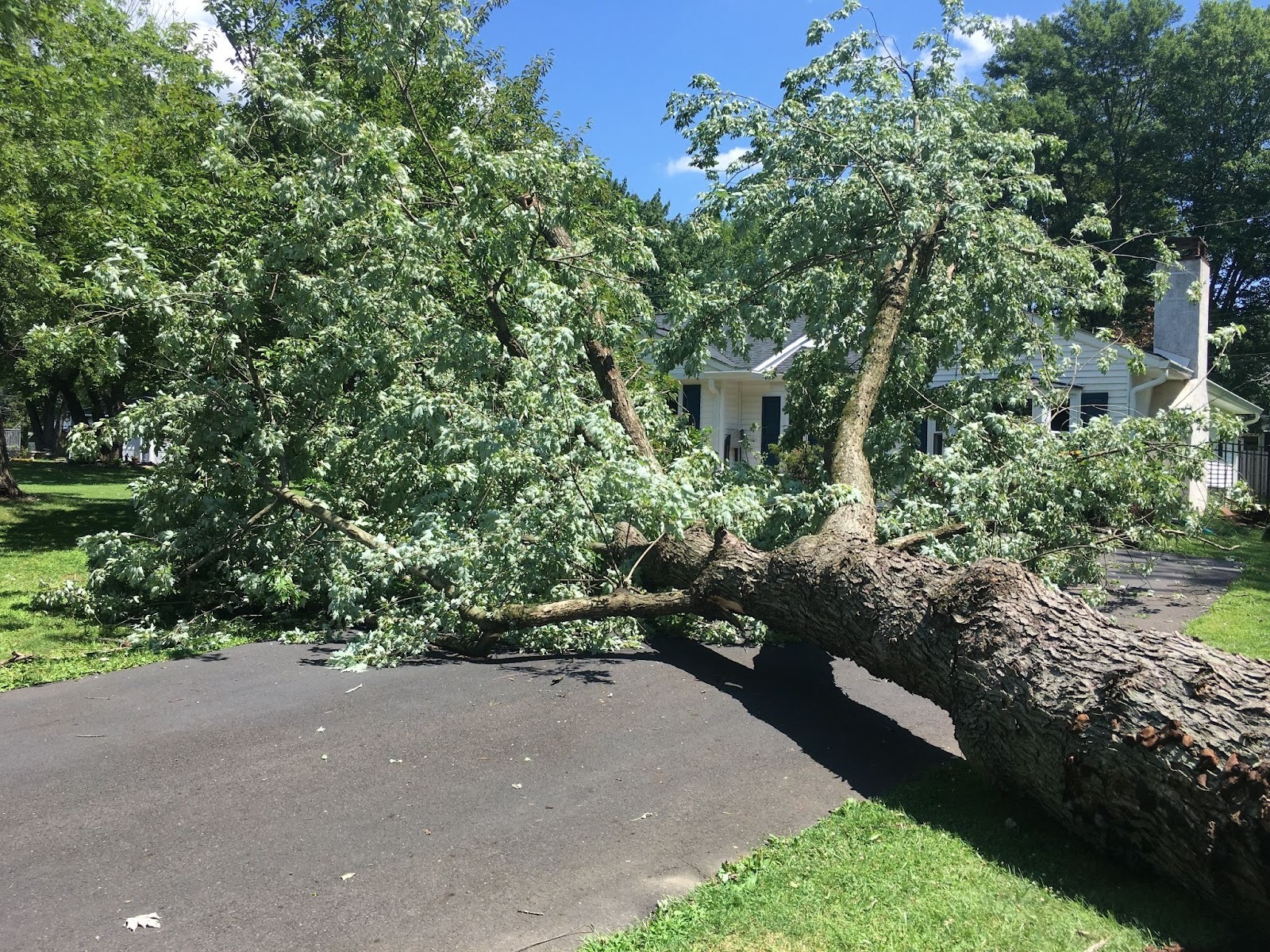
A damaged tree can shift from background scenery to a genuine concern in a matter of minutes. Strong winds, heavy rain, or unseen decay often reveal problems when property owners least expect them. In those moments, emergency tree service becomes less about landscaping and more about protecting people, buildings, and access points. Routine tree removal, by contrast, happens on a calmer timeline and allows room for planning. Understanding the differences between these two services helps property owners respond with clarity rather than hesitation when tree issues arise.
What Emergency Tree Service Means for Property Owners
Emergency tree service involves immediate professional action when a tree creates an active and present risk. This service addresses situations where waiting could lead to injury, property damage, or blocked access. Property owners usually encounter these scenarios after severe weather or sudden structural failure. The work prioritizes safety and stability before aesthetics or long-term planning.
When a Tree Situation Becomes an Emergency
A tree issue becomes an emergency when it threatens people or property right away. Sudden leaning often indicates root failure caused by saturated soil or wind stress. Cracks along the trunk suggest internal weakness that may not hold much longer. Large limbs suspended overhead create unpredictable danger zones. Trees touching power lines raise concerns beyond property damage, including the risk of electrical hazards. In these cases, professional intervention should not be delayed.
Typical Scenarios Requiring Emergency Tree Service
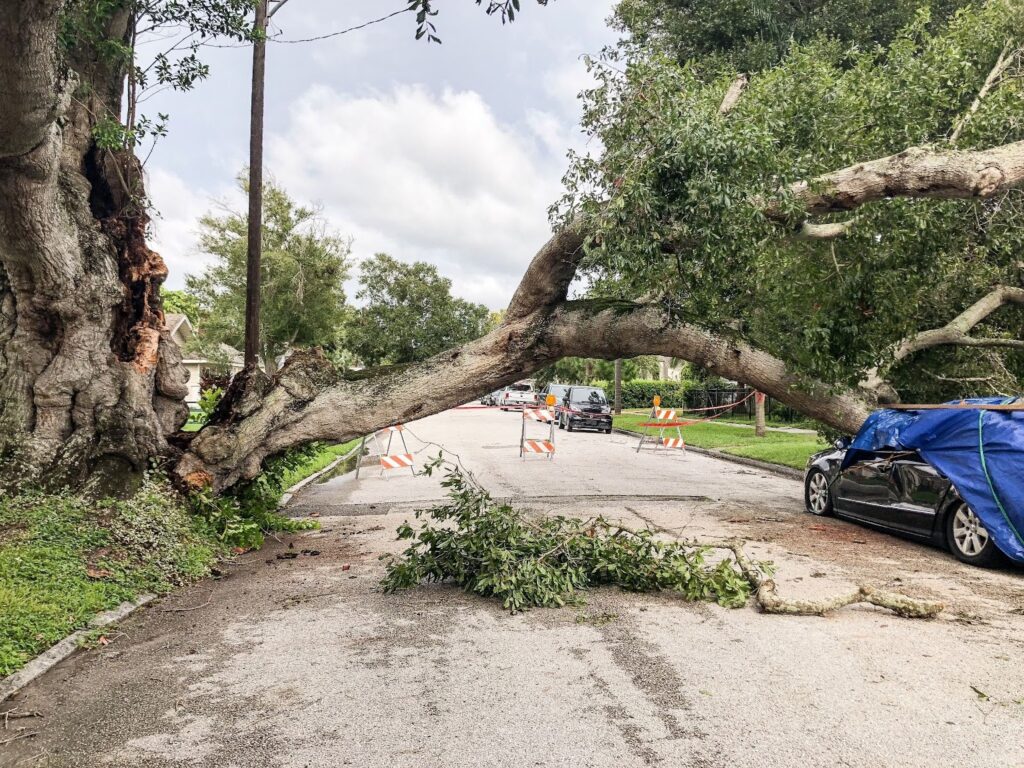
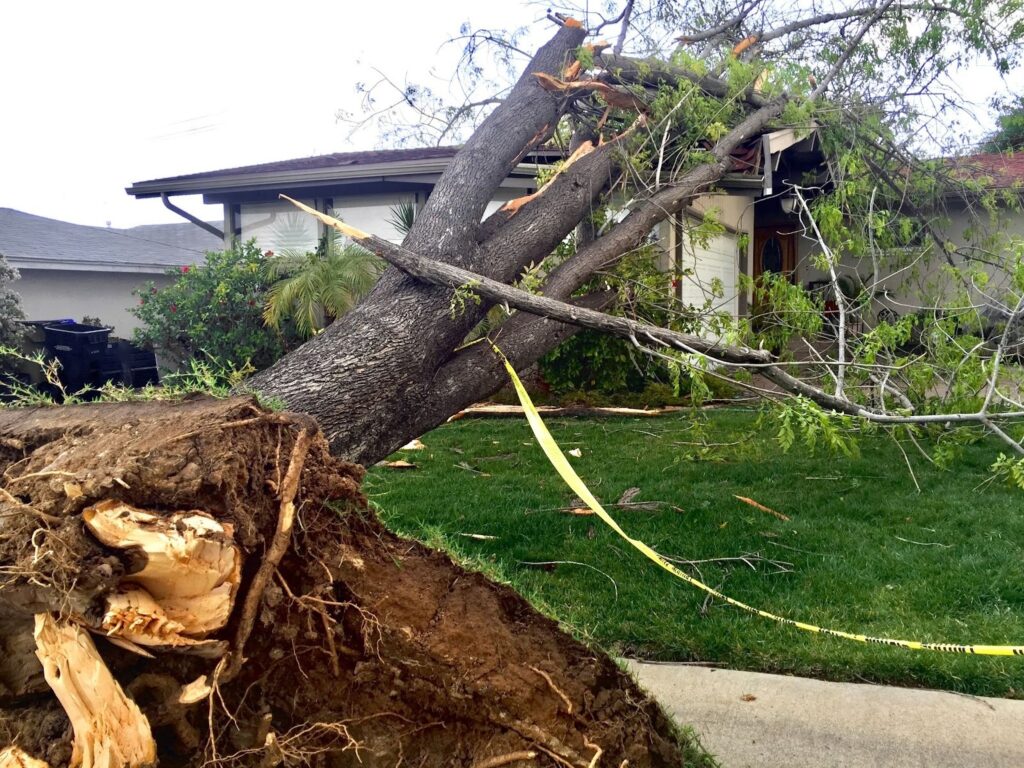
Emergency tree service is often necessary after storms that leave trees fallen or partially supported by structures. Trees blocking driveways or roads disrupt daily movement and emergency access. Roof contact creates constant pressure that can worsen structural damage. Broken limbs that remain lodged above ground may fall without warning. Properties with multiple damaged trees often face layered risks. Crews assess these conditions quickly and focus first on the most dangerous threats.
How Emergency Tree Crews Manage High-Risk Conditions
Emergency tree crews approach each site with caution and structure. Professionals evaluate how weight and tension affect unstable sections. Rigging systems control falling debris to protect surrounding areas. Clear communication keeps crew members aligned during complex cuts. Work often continues outside regular hours when conditions demand it. The objective remains restoring safety while preventing further damage.
The Hidden Time Window After Tree Damage
A damaged tree does not always fail the moment visible harm appears. Many trees enter a delayed-collapse phase in which structural integrity continues to weaken over time. This period often creates a false sense of security for property owners. Emergency tree service exists partly to address risks that are no longer visible but are actively progressing.
Why “Still Standing” Does Not Mean Safe
A tree can remain upright while internal damage worsens beneath the surface. Cracks inside the trunk may expand slowly as fibers separate under their own weight. Root plates can shift incrementally after soil saturation, even when the tree appears stable. Wind, temperature changes, and gravity continue to stress weakened areas. This delayed failure window may last hours or several days, depending on conditions. Emergency tree service responds during this critical period to reduce the risk before collapse.
How Internal Damage Escapes Visual Detection
Many tree failures begin inside the trunk or root system rather than on the surface. Decay, shear fractures, or lightning damage often leave little external evidence. Bark may remain intact while internal fibers lose strength. From the ground, the tree may look unchanged despite a compromised structure. This hidden damage explains why professional assessment matters after storms. Emergency crews use experience and diagnostic judgment rather than appearance alone.
Environmental Factors That Accelerate Delayed Failure
Environmental conditions often push damaged trees closer to collapse. Continued wind applies repetitive stress to weakened points. Moist soil reduces root grip and increases lean over time. Temperature swings can expand cracks within the trunk. Rain adds weight to already stressed limbs. These factors work together to shorten the time between damage and failure.
Why Delaying Action Increases Overall Risk
Waiting during the delayed failure window exposes property and people to escalating danger. A tree that could be stabilized or safely removed may become uncontrollable later. Collapse timing becomes unpredictable as internal damage progresses. Secondary damage often exceeds the original incident. Emergency tree service reduces uncertainty by addressing hazards before conditions worsen. Timely response limits exposure to preventable harm.
How Professionals Identify This Critical Window
Experienced tree professionals look for subtle indicators of delayed failure. Changes in lean angle, soil heaving, or fresh cracks signal ongoing movement. Sounds such as creaking or popping suggest internal stress release. Canopy imbalance reveals shifting weight distribution. These observations guide urgency decisions on site. Professional judgment fills the gap when visual certainty is impossible.
Routine Tree Removal and Planned Property Management
Routine tree removal focuses on long-term property care rather than immediate danger. This service allows property owners to address tree issues before they escalate. Planning creates space for discussion, scheduling, and budget control. The work unfolds under predictable and controlled conditions.
Common Reasons Property Owners Schedule Tree Removal
Property owners often schedule removal for trees affected by disease or decline. Some trees grow too close to buildings or utilities over time. Overcrowding can limit sunlight and airflow for surrounding plants. Renovation or landscape redesign may also require clearing space. These situations develop gradually, allowing thoughtful planning. Removal under routine conditions supports safer and more functional properties.
Planning and Scheduling Routine Tree Removal
Routine removal begins with a professional assessment of the tree and its surroundings. Arborists evaluate structure, health, and access points. Scheduling work during stable weather reduces complications. Local regulations or permits may apply depending on the location. Planning helps minimize disruption to daily activities. Clear timelines allow property owners to coordinate other maintenance tasks.
Methods Used During Routine Tree Removal
Routine removal relies on controlled dismantling rather than rapid hazard control. Crews remove trees in sections to manage weight safely. Ground teams coordinate debris handling to keep the site organized. Equipment choices reflect tree size and surrounding features. This approach protects nearby structures and landscaping. Cleanup typically follows immediately after removal.
Emergency Tree Service vs. Routine Tree Removal
Emergency tree service and routine tree removal serve different purposes despite similar tools. Emergency work addresses active danger under uncertain conditions. Routine removal supports long-term planning and property improvement. Recognizing these distinctions helps property owners choose the correct response.
Differences in Timing and Response Speed
Emergency tree service prioritizes fast response once a hazard appears. Crews mobilize quickly to reduce risk exposure. Routine removal follows scheduled appointments agreed upon in advance. Time pressure shapes emergency decisions from arrival to completion. Delays during emergencies increase the chance of damage. Routine timelines allow flexibility without added stress.
Safety Conditions During Each Type of Service
Emergency work takes place in unstable environments where conditions may shift. Weather, darkness, or damaged terrain often complicate the process. Routine removal occurs under calmer and more predictable conditions—safety planning matters in both scenarios. Emergency crews rely heavily on experience and coordination. Risk levels remain higher during urgent response.
Cost Differences Between Emergency and Routine Work
Emergency tree service often costs more due to urgency and complexity. After-hours labor and specialized equipment affect pricing. Routine removal provides more consistent, predictable estimates. Costs reflect tree size, access, and scope rather than speed. Property owners should expect variation between service types. Pricing aligns with risk and resource demands.
Property Owners’ Role During Tree Emergencies
Property owners influence outcomes during tree emergencies through awareness and communication. Quick judgment helps limit additional damage. Precise coordination with professionals supports safer resolution. Preparation reduces confusion during stressful moments.
Assessing Risk Without Creating More Danger
Property owners should evaluate hazards from a safe distance. Leaning trees or visible cracks suggest instability. Downed lines or hanging limbs should never be approached. Photographs help document conditions without exposure. Early assessment helps determine urgency. Personal safety should guide every decision.
Coordinating Access and Information for Crews
Emergency crews need clear access to affected areas. Property owners may need to move vehicles or clear entry points. Sharing access details helps crews prepare appropriately. Notifying neighbors supports safety in shared spaces. Cooperation improves response efficiency. Communication reduces delays and confusion.
Insurance Considerations for Emergency Tree Service
Insurance often plays a role in emergency tree decisions. Coverage depends on the cause and resulting damage. Understanding policy details reduces uncertainty. Documentation supports smoother claims handling.
When Insurance May Apply to Tree Damage
Insurance commonly covers storm-related damage to insured structures. Trees falling without causing damage may not qualify. Coverage varies based on policy language and circumstances. Damage involving buildings receives closer review. Property owners benefit from reviewing coverage in advance. Familiarity with policies sets realistic expectations.
Documentation That Supports Insurance Claims
Clear photographs help establish the extent of damage. Professional assessments explain the urgency behind emergency work. Detailed invoices show the scope of services performed. Time-stamped records confirm conditions at the time of removal. Organized documentation strengthens claims. Thorough records reduce disputes with insurers.
Preventing Tree Emergencies Through Routine Care
Routine care reduces the chance of sudden tree failure. Healthy trees are better able to withstand environmental stress. Preventive maintenance supports safety and property value. Long-term planning complements emergency readiness.
Early Warning Signs Property Owners Should Notice
Dead branches often indicate declining health. Fungal growth may signal internal decay. Leaning trees suggest root instability. Cracks reveal structural weakness. Early detection allows proactive decisions. Preventive action lowers emergency risk.
Value of Regular Tree Inspections
Professional inspections uncover issues that may not be visible to the naked eye. Arborists assess structure, health, and environmental factors. Seasonal reviews catch developing problems. Reports guide maintenance and removal decisions. Inspections support safer properties. Regular evaluations build confidence over time.
Respond Decisively With Emergency Tree Service
Tree damage rarely improves on its own, and hesitation often turns manageable risk into avoidable loss. Emergency tree service gives property owners a way to regain control when conditions shift faster than expected. A timely call brings clarity, professional judgment, and a safer environment before uncertainty compounds. Choosing to respond with purpose protects more than structures; it protects the people who rely on them every day.
Discover how informed tree decisions protect your property through in-depth resources on the EML Tree Services LLC blog.