
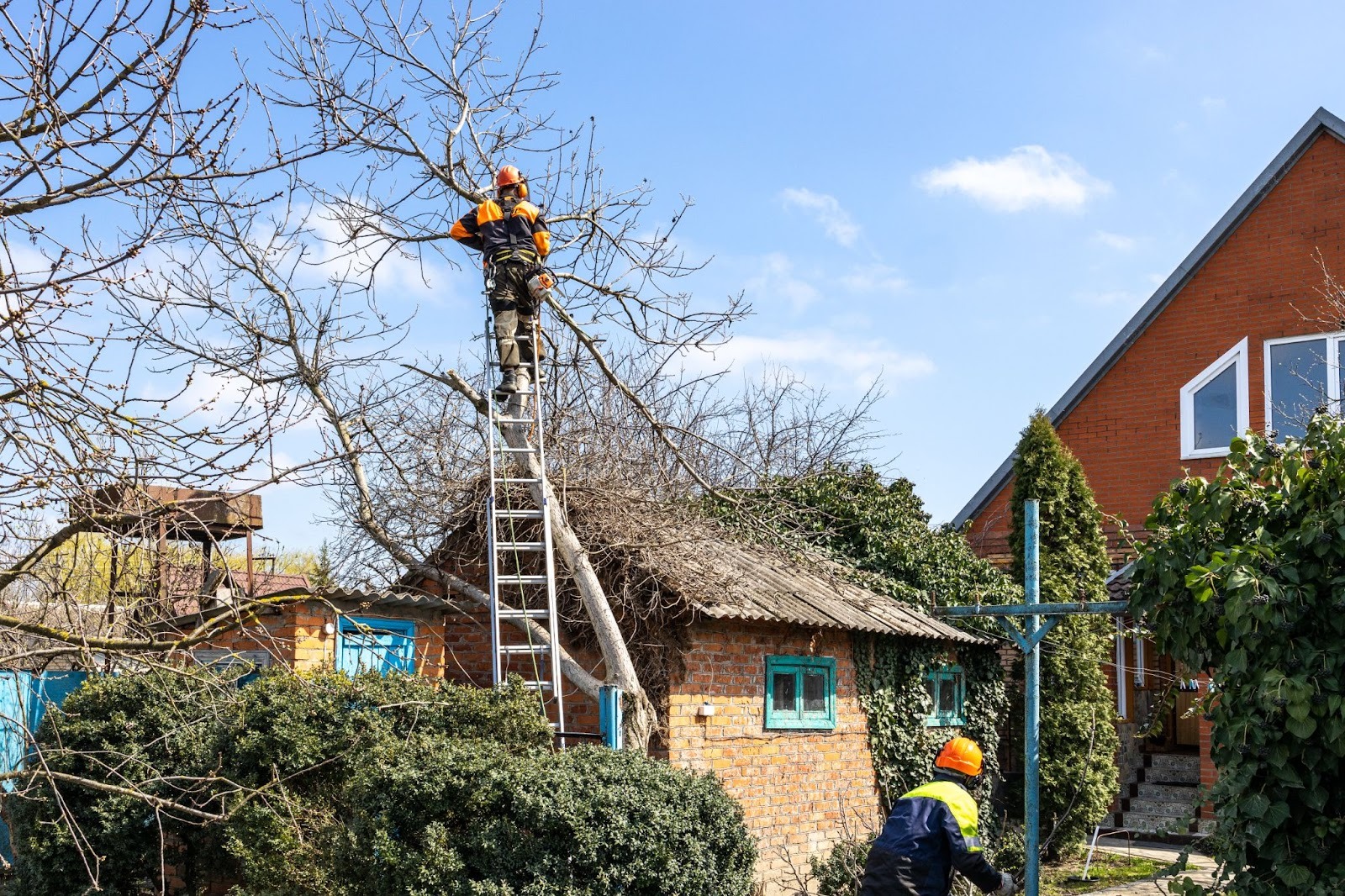
Storms rarely cause tree damage on their own; they expose problems that have been building for years. Branches that grew unchecked, canopies that became too dense, and hidden decay all increase the chance of failure when the weather turns severe. Many property owners realize the risk only when a limb crashes onto a roof or driveway. Pruning trees reduces that risk by guiding growth, removing structural weaknesses, and improving balance. With consistent care, trees become assets during storms instead of liabilities.
Why Pruning Trees Reduces Storm Damage Risks
Pruning trees reduces storm damage by controlling growth in ways that limit stress during harsh weather. By removing excess weight and correcting uneven structure, trees respond more predictably to wind and heavy rain. This maintenance approach reduces the risk of broken limbs and uprooted trees near homes and buildings. Over time, routine pruning also supports stronger, healthier trees that handle repeated storms with fewer issues.
How Wind and Rain Stress Unpruned Trees
Strong wind applies constant force against a tree’s canopy, and that pressure increases when branches grow densely and unevenly. Heavy rain adds weight to already strained limbs while softening the soil that supports the roots. When these conditions combine, weak branch unions and overextended limbs absorb more stress than they can handle. Over time, cracks form at attachment points, increasing the likelihood of failure during severe weather. Trees that have not been pruned often carry weight far from the trunk, which worsens leverage issues. That imbalance explains why storms tend to damage unmanaged trees first.
Property Safety Benefits of Routine Tree Pruning
Routine pruning improves safety by removing branches that pose a threat to roofs, vehicles, and walkways. This preventive work reduces the likelihood of sudden limb failure near occupied areas. Balanced canopies also allow trees to move more evenly during gusts, rather than twisting under pressure. When branches no longer collide during wind events, internal damage decreases. Property owners experience fewer emergency calls and cleanup situations. That stability protects both people and structures throughout storm seasons.
Cost Control Through Preventive Tree Care
Preventive pruning helps control long-term property costs tied to storm damage. Emergency tree removal often requires specialized equipment and rapid response pricing. Insurance claims may increase after repeated incidents tied to poor maintenance. Well-maintained trees reduce the chance of expensive repairs to roofs, fences, and utilities. Landscapes with healthy trees also retain curb appeal and resale value. Consistent care supports financial predictability for property owners.
How Trees Fail During Severe Weather Events
Trees fail during storms when existing structural weaknesses are subjected to environmental pressure. These weaknesses usually develop gradually as trees grow without guidance. Storms reveal what routine care could have corrected earlier. Understanding common failure patterns helps property owners make better pruning decisions.
Weak Branch Unions and Structural Cracks
Weak branch unions form when limbs grow too close together or at narrow angles. These joints lack strong connective tissue and cannot support heavy loads. During storms, wind forces these unions apart, often causing sudden splits. Rainwater enters these openings and accelerates decay within the trunk. Over time, the branch loses strength and stability. Pruning removes these vulnerable unions before they fail under stress.
Dense Canopies That Trap Wind
Dense canopies act like sails during high winds, increasing resistance and pressure. This force transfers from the outer branches down through the trunk and into the roots. When soil becomes saturated, that pressure becomes harder for roots to resist. Trees may lean or uproot as the ground loses stability. Thinning the canopy allows air to pass through more freely. This adjustment reduces strain across the entire tree.
Root Instability Caused by Excess Canopy Weight
Roots support trees by balancing the weight above ground. When canopies grow heavy and uneven, roots must work harder to keep trees upright. Prolonged rainfall weakens soil structure and reduces grip. Trees with excessive top growth are often prone to shifting or falling under these conditions. Pruning reduces upper weight and restores balance. That balance improves overall stability during storms.
Pruning Techniques That Improve Storm Resilience
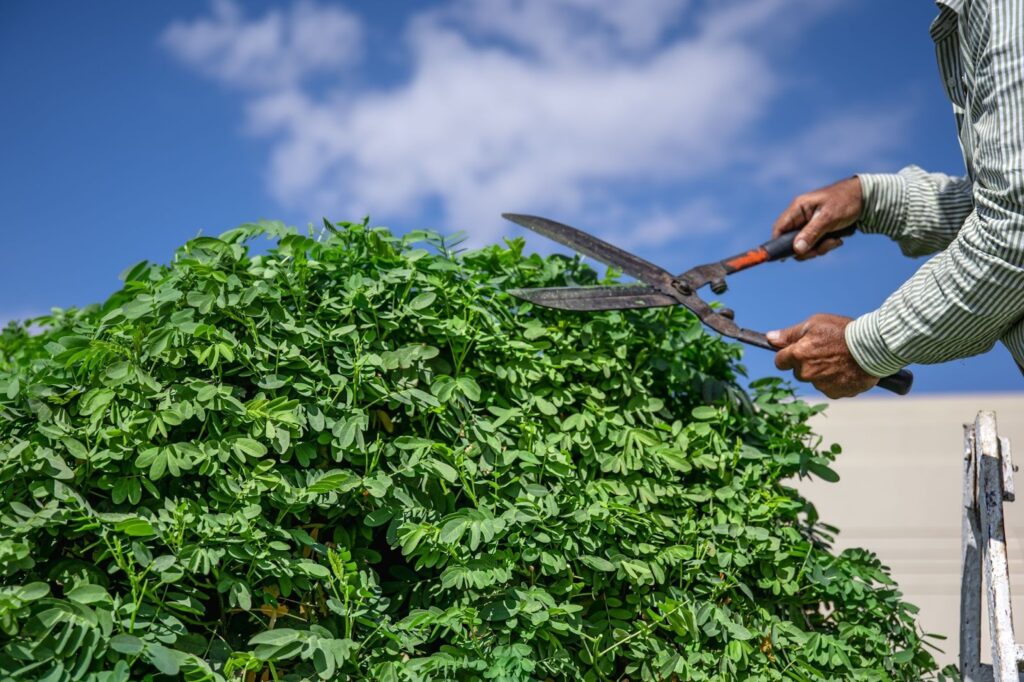
Effective pruning techniques address specific risks without harming tree health. These methods guide growth instead of forcing rapid regrowth. Proper cuts also help trees adapt better to environmental stress. Each technique plays a role in storm resistance.
Crown Thinning for Better Wind Movement
Crown thinning removes selected interior branches to reduce density. This method improves airflow through the canopy during strong winds. Reduced resistance lowers the pressure placed on limbs and trunks. Thinning maintains the tree’s natural shape while improving flexibility. Branches move more independently instead of pulling against each other. That movement reduces breakage during storms.
Crown Reduction for Overextended Limbs
Crown reduction shortens limbs that extend too far from the trunk. These long branches create leverage, increasing the risk of failure. Proper cuts redirect growth toward stronger supporting branches. The tree maintains its structure and appearance after pruning. Reduced reach improves balance and control during wind events. This approach promotes long-term stability.
Removing Dead and Decaying Branches
Dead branches pose immediate risks during storms. These limbs break more easily than healthy wood. Their removal reduces the chance of sudden falls near people or property. Deadwood also attracts insects and diseases that weaken surrounding tissue. Pruning improves overall tree vitality. Healthier trees recover more quickly after severe weather.
Structural Pruning for Young Trees
Structural pruning shapes young trees as they grow. This early guidance establishes strong branch spacing and attachment angles. Correcting growth patterns early prevents future weaknesses. Balanced structure supports long-term durability. Trees mature with fewer defects that could fail later. Early care reduces storm-related damage as trees age.
How Pruning Trees Affects Microclimates and Structures
Pruning trees influences more than visible storm damage because it alters airflow, moisture retention, and surface exposure around buildings. These changes affect how long materials stay wet, how heat dissipates, and how pressure builds during storms. Property owners often overlook these secondary impacts even though they contribute to long-term deterioration. Managing tree structure improves environmental conditions that directly affect roofs, siding, and foundations.
Airflow Control Around Buildings and Rooflines
Tree density affects how air circulates through structures during and after storms. When branches press close to roofs or walls, wind loses its ability to dry surfaces efficiently. Trapped moisture lingers longer after rainfall, increasing the chance of rot and mold. Pruning opens airflow paths that help building materials dry faster. This airflow control reduces prolonged dampness that weakens wood and fasteners. Over time, improved drying conditions extend the lifespan of exterior materials.
Moisture Retention and Ground Saturation Risks
Unmanaged canopies shade soil and slow evaporation after heavy rain. This shaded ground remains saturated longer, which increases pressure on foundations and root systems. Excess moisture near structures raises concerns for settling and drainage performance. Pruning allows sunlight to reach the ground more evenly. That exposure improves evaporation rates and stabilizes soil conditions. Balanced moisture levels reduce strain on both trees and nearby structures.
Tree Proximity and Surface Wear Over Time
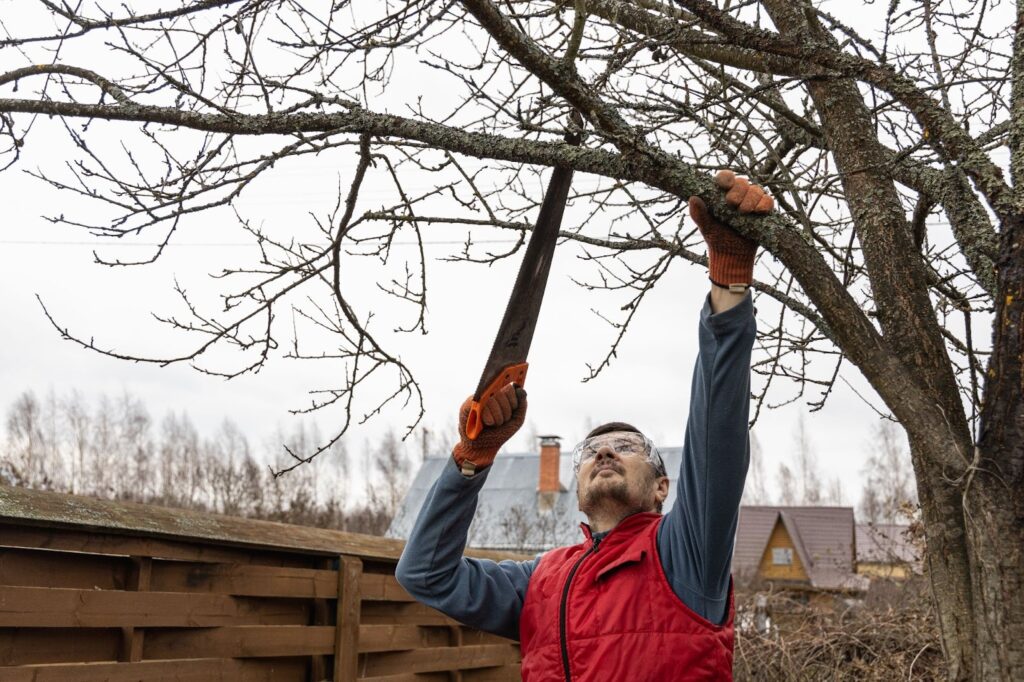
Branches that overhang roofs shed leaves and debris during storms. This debris traps water in gutters and valleys. Over time, trapped moisture accelerates shingle wear and corrosion. Pruning creates separation between trees and building surfaces. That spacing reduces debris accumulation and abrasion during wind events. Property owners benefit from fewer maintenance issues and longer roof performance.
Insurance Documentation and Maintenance Credibility
Insurance evaluations often consider maintenance history after storm claims. Documented pruning demonstrates proactive risk management. This documentation supports claims by showing hazards were addressed before damage occurred. Pruning records also help establish that failure resulted from weather severity rather than neglect. That distinction matters during claim reviews. Responsible maintenance strengthens a property owner’s position after storm-related losses.
Best Timing for Pruning Trees Before Storms
Pruning timing affects how trees respond to stress and healing. Proper scheduling supports recovery and stability. Poor timing increases vulnerability to disease and damage. Understanding seasonal patterns improves results.
Dormant Season Pruning Advantages
Dormant season pruning occurs when growth slows. Trees experience less stress during this period. Structural issues become easier to identify without leaves. Cuts heal efficiently before spring growth begins. Pest activity remains lower during cooler months. This timing supports cleaner, more effective pruning.
Species-Specific Timing Considerations
Different tree species respond differently to pruning schedules. Flowering trees require careful timing to protect buds. Sap flow varies depending on species and climate. Incorrect timing can weaken trees or reduce growth quality. Professional guidance aligns pruning with natural cycles. This approach supports long-term health.
Planning Around Regional Storm Patterns
Storm patterns vary by location and season. Property owners benefit from aligning pruning schedules with local weather risks. Inspections before high-risk periods identify developing issues. Scheduled maintenance allows time for corrective work. This planning reduces emergencies. Prepared trees perform better during storms.
Risks of Skipping Tree Pruning on Properties
Skipping pruning allows minor problems to grow unchecked. Over time, these issues become safety and financial concerns. Storms accelerate damage when trees lack maintenance. Neglected trees threaten both people and property.
Liability Exposure From Falling Limbs
Falling branches create safety risks for occupants and visitors. Property owners may be legally responsible for injuries or damage. Insurance coverage may not apply when neglect contributes to loss. Documented maintenance supports responsible ownership. Pruning demonstrates attention to safety. That diligence reduces liability exposure.
Declining Tree Health After Storm Damage
Storm damage weakens trees that are already neglected. Broken limbs expose internal wood to moisture and decay. Disease spreads more easily through open wounds. Repeated damage shortens a tree’s lifespan. Pruning supports recovery by removing compromised growth. Healthy trees withstand future storms better.
Higher Costs From Emergency Tree Removal
Emergency tree removal often costs more than routine maintenance. Storm damage requires a rapid response and specialized equipment. Access challenges increase labor time and expense. Cleanup disrupts daily routines and property use. Preventive pruning lowers emergency frequency. Planned care offers better cost control.
Reduce Storm Risk by Pruning Trees
Storm damage often reflects long-standing tree conditions rather than sudden weather extremes. Pruning trees allows property owners to address structural risks before they escalate into costly or unsafe situations. Tree removal experts bring trained assessment, proper equipment, and informed judgment that routine trimming cannot replace. When expert pruning becomes part of ongoing property care, trees shift from unpredictable liabilities to managed assets that stand up better under pressure.
For practical insights on tree care and storm readiness, visit the EML Tree Services LLC blog and explore expert guidance built for property owners.