
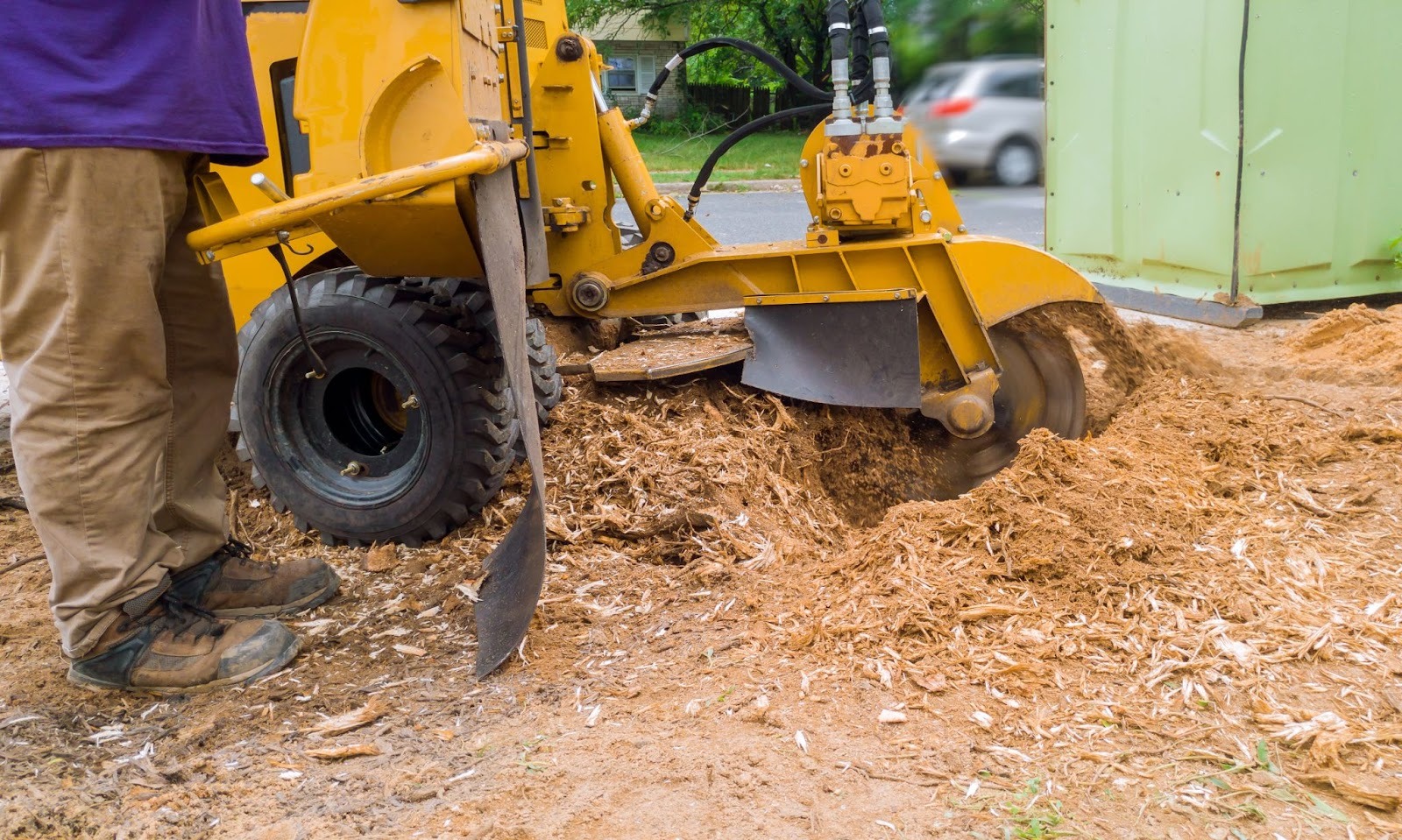
A tree stump left behind after removal often appears harmless, yet it quietly alters how a property functions beneath the surface. Many property owners focus on what they can see and assume the job ends once the tree is gone. What remains hidden is a slow process of decay that attracts insects seeking food, moisture, and shelter. Over time, those insects do not remain isolated to the stump area. A professional stump grinding service removes that unseen risk and helps protect the property’s long-term condition.
Why Tree Stumps Attract Pests and Termites
Tree stumps attract pests because they combine decaying wood, trapped moisture, and protection from disturbance in one place. As the stump breaks down, it creates an environment that supports insects for years rather than weeks. Soil around the stump stays damp, which encourages underground activity. This combination allows pest colonies to establish themselves quietly and expand outward over time.
Decaying Wood Feeds Insect Colonies
Decaying wood feeds insect colonies by releasing cellulose and organic material as it breaks down. Termites rely on cellulose as their primary food source, which makes old stumps especially appealing to them. Ants and beetles also benefit, as softened wood makes tunneling and nesting easier. Moisture trapped inside the stump supports fungal growth, which draws in even more insects. This activity does not slow down on its own once it starts. Over time, colonies grow larger and spread through the surrounding soil.
Underground Shelter Protects Pests Year-Round
Underground stump cavities protect pests from weather changes and natural predators. Cold temperatures rarely reach colonies living below the surface, allowing activity to continue through seasonal shifts. Heavy rain drains through the roots rather than flooding these spaces, keeping conditions stable. That stability enables insects to maintain tunnels and nesting areas without disruption. Consistent shelter supports reproduction and long-term survival. As populations increase, controlling them becomes more difficult.
Root Systems Create Hidden Pest Pathways
Root systems connected to stumps create hidden pathways that insects use to travel underground. These roots decay slowly and often stretch well beyond the visible stump. Termites follow them as natural guides through the soil. In some cases, roots lead directly toward foundations, crawl spaces, or utility lines. This movement happens without obvious surface signs. Grinding removes these concealed routes and limits how far pests can spread.
How a Stump Grinding Service Stops Pest Activity
A stump grinding service stops pest activity by removing the conditions that insects depend on to survive. The grinding process breaks the stump and roots into small fragments and blends them with the surrounding soil. Without intact wood, pests lose both food and shelter. This environmental change disrupts colonies and reduces their ability to remain active in the area.
Grinding Removes the Primary Food Source
Grinding removes the primary food source by eliminating solid, decaying wood. Termites cannot survive without a steady supply of cellulose. Once the stump is reduced to small fragments, those pieces dry out much faster than whole wood. Drier soil creates an unfavorable environment for feeding and nesting. Over time, insects abandon the area in search of better conditions. This removal lowers the chance of future infestations returning to the same spot.
Habitat Loss Disrupts Nesting Behavior
Habitat loss occurs when grinding destroys underground protected nesting spaces. Exposed soil no longer shields insects from sunlight or predators. Natural soil organisms and beneficial insects help reduce remaining pest populations. Loose, disturbed soil makes it difficult for pests to rebuild stable tunnels. Without consistent shelter, colonies weaken. Survival becomes harder as environmental pressure increases.
Reproductive Cycles Become Unstable
Reproductive cycles rely on stable conditions that stumps provide. Grinding disturbs areas where insects lay eggs and raise larvae. Without protected chambers, larvae struggle to survive long enough to mature. Population growth slows as reproduction becomes inconsistent. Over time, colony numbers decline naturally. This reduction lowers pressure on nearby landscaping and structures.
How Stumps Increase Risk to Nearby Structures
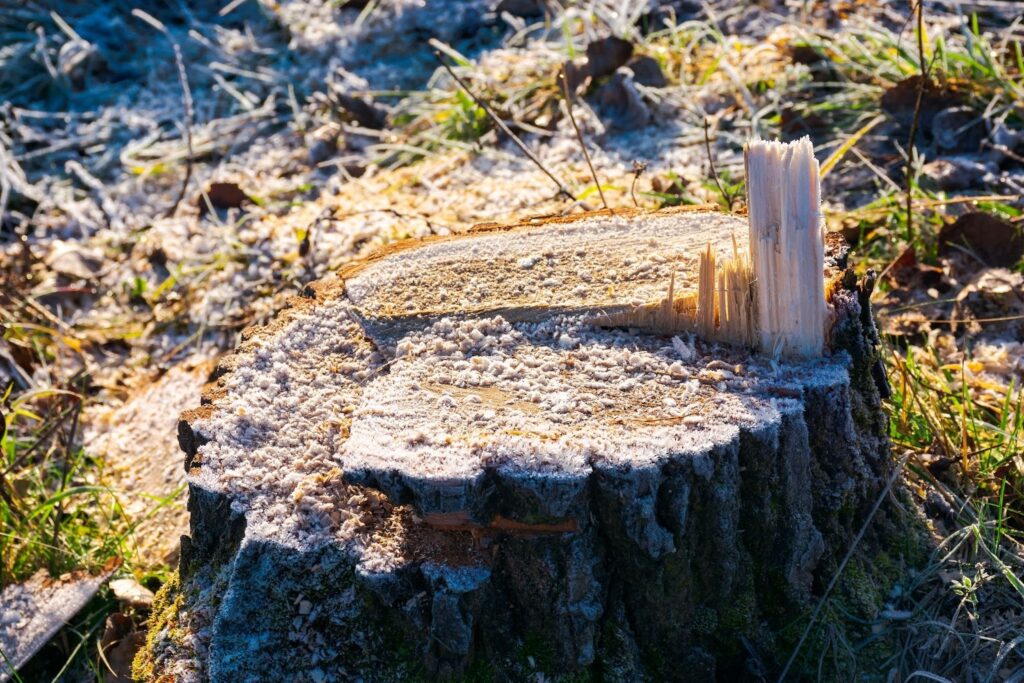
Tree stumps increase the risk to nearby structures by serving as staging areas for pests. Insects rarely remain confined to a single food source as populations grow. As the stump deteriorates, pests search for nearby wood. Homes and outdoor structures are often the following targets.
How Termites Move From Yard to Home
Termites move from the yard to the home through soil tunnels that remain hidden from view. Roots connected to stumps guide this movement and help insects navigate underground. These tunnels can reach foundations without any visible warning signs. Once inside, termites access framing, flooring, and support beams. Damage begins quietly and spreads steadily. Repairs often become extensive before the problem is discovered.
Moisture Around Stumps Weakens Natural Barriers
Moisture around stumps weakens the natural resistance of soil and wood. Damp soil attracts termites and carpenter ants seeking suitable habitats. Moisture also softens nearby wooden structures, making them easier to damage. Over time, this combination accelerates deterioration. Grinding improves drainage by removing the moisture-holding stump. Drier conditions discourage insect activity.
Nearby Structures Face Greater Exposure
Nearby decks, fences, and sheds are more exposed when stumps remain. These structures provide additional wood that pests can access easily. Termites often move between the stump and the structure without interruption. Damage progresses gradually and usually unnoticed. Property owners may mistake early signs for everyday wear and tear. Grinding reduces these overlapping risk zones.
Why Grinding Works Better Than Surface Removal
Grinding is more effective than surface removal because it addresses what lies beneath the surface. Cutting a stump flat removes only what is visible. Roots and buried wood remain intact. Pests continue to thrive beneath the surface.
Surface Cutting Leaves Hidden Wood Intact
Surface cutting leaves hidden wood intact beneath the soil. Roots continue to decay and retain moisture. Termites still access cellulose through buried sections. Pest activity remains active, with no visible clues. Moisture stays trapped underground. This approach offers visual improvement without solving the underlying issue.
Grinding Reaches Below Soil Level
Grinding reaches several inches below soil level to remove most of the root system. This depth eliminates key access points that pests rely on. Insects lose shelter and feeding routes. Soil settles more evenly after grinding. Landscaping becomes easier to manage. Pest pressure decreases steadily.
Faster Breakdown Reduces Pest Interest
Wood fragments left after grinding break down faster than solid stumps. Faster decomposition limits long-term food availability. Soil dries more evenly once large wood pieces are gone. Pests prefer stable environments that last for years. Grinding removes that stability. Reinfestation becomes less likely.
Stump Grinding Compared to Chemical Treatments
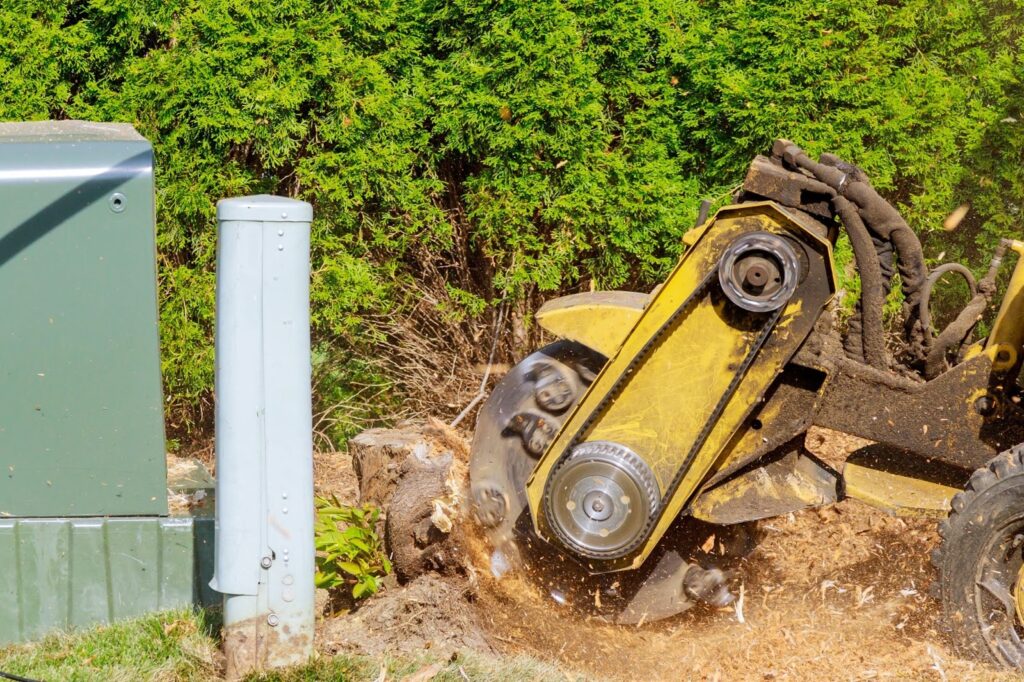
Stump grinding addresses the root cause of pest activity rather than just the symptoms. Chemical treatments target insects but leave decaying wood behind. Grinding reduces the need for repeated applications. This approach supports more consistent long-term control.
Limits of Chemical-Only Pest Control
Chemical-only pest control focuses on active infestations. It does not remove the wood pests rely on. New colonies may form once the chemicals wear off. Reapplication becomes necessary over time. Environmental concerns may also arise. Grinding reduces these limitations.
Physical Removal Supports Lasting Control
Physical removal eliminates habitats that support pests. With less food available, insect populations decline naturally. Chemical treatments become more effective when needed. Soil health improves with reduced chemical exposure. This balance supports sustainable control. Results last longer.
Additional Property Benefits of Stump Grinding
Stump grinding improves more than pest conditions alone. Property owners often notice changes across the entire yard. Maintenance becomes easier and safer. These improvements support long-term property value.
Improved Drainage and Soil Health
Improved drainage follows the removal of decaying stumps. Soil compaction decreases around old root systems. Water flows more evenly across the yard. Standing water becomes less common after rainfall. Plants grow more consistently. Landscaping projects succeed with fewer setbacks.
Safer and More Usable Outdoor Space
Grinding removes uneven surfaces that cause trips and equipment damage. Lawn maintenance becomes smoother and more predictable. Children and visitors face fewer hazards. Outdoor areas feel more open and functional. Routine upkeep takes less effort. The yard becomes easier to enjoy.
Supports Property Value and Easier Inspections
Stump removal supports property value by eliminating hidden issues that buyers and inspectors often flag. Inspectors look closely at conditions that may attract pests or cause moisture problems. A ground stump signals deferred maintenance, even if no visible damage exists yet. Grinding removes that concern, creating a cleaner, more intentional landscape. Appraisers and buyers respond better to properties without unresolved outdoor risks.
When to Schedule a Stump Grinding Service
Timing affects how well stump grinding reduces pest pressure. Soil conditions and insect activity change throughout the year. Proper scheduling improves results. Professional guidance helps property owners choose the right moment.
When Stump Becomes a Pest Issue
Visible insects around a stump suggest underground activity. Soft or crumbling wood indicates advanced decay. Mud tubes point to termite presence. Increased ant trails raise concern. Nearby plants may appear stressed. These signs suggest grinding is necessary.
Coordinating Grinding With Yard Plans
Grinding fits well before new landscaping or lawn repairs. Clearing stumps allows smoother grading and planting. Irrigation systems face fewer obstacles afterward. Maintenance routines become more efficient. Yard planning feels less restricted. Long-term care improves.
How Stump Grinding Service Protects Against Termites
A stump grinding service protects properties by eliminating conditions that attract termites. Prevention starts below ground, where damage often begins. Grinding limits the pathways insects use to spread. This protection supports structural stability.
Limits Colony Expansion
Grinding limits colony expansion by removing food sources. Termites retreat when resources disappear. Soil disturbance disrupts tunnel networks. Movement toward structures becomes more difficult. Population pressure declines naturally. Risk decreases over time.
Supports Ongoing Property Maintenance
Grinding supports ongoing inspections and maintenance efforts. Pest professionals find fewer problem areas to address. Treatments become more targeted and effective. Property owners gain confidence in long-term protection. Maintenance stays proactive rather than reactive. Costs remain more manageable.
Reduces Long-Term Monitoring and Treatment Needs
Stump grinding reduces long-term monitoring by removing one of the most common termite attractants. Without decaying wood in the soil, inspectors find fewer areas that require repeated attention. Pest control plans become simpler and more targeted as a result. Property owners spend less time scheduling follow-up visits or spot treatments. This reduction lowers ongoing maintenance costs tied to termite prevention. Over time, the property remains easier to manage with fewer intervention points.
Reduce Pest Risks Through a Stump Grinding Service
Pests rarely appear without a reason, and buried stumps quietly give them precisely what they need to settle in. A professional stump grinding service removes the decaying wood and moisture that attract termites and other destructive insects. That single step limits underground movement, reduces future treatments, and protects nearby structures from hidden damage. Addressing the stump now keeps pest control manageable and helps your property remain stable, clean, and easier to maintain over time.
Explore practical tree care insights and property protection tips by visiting the EML Tree Services LLC blog for expert guidance you can trust.