
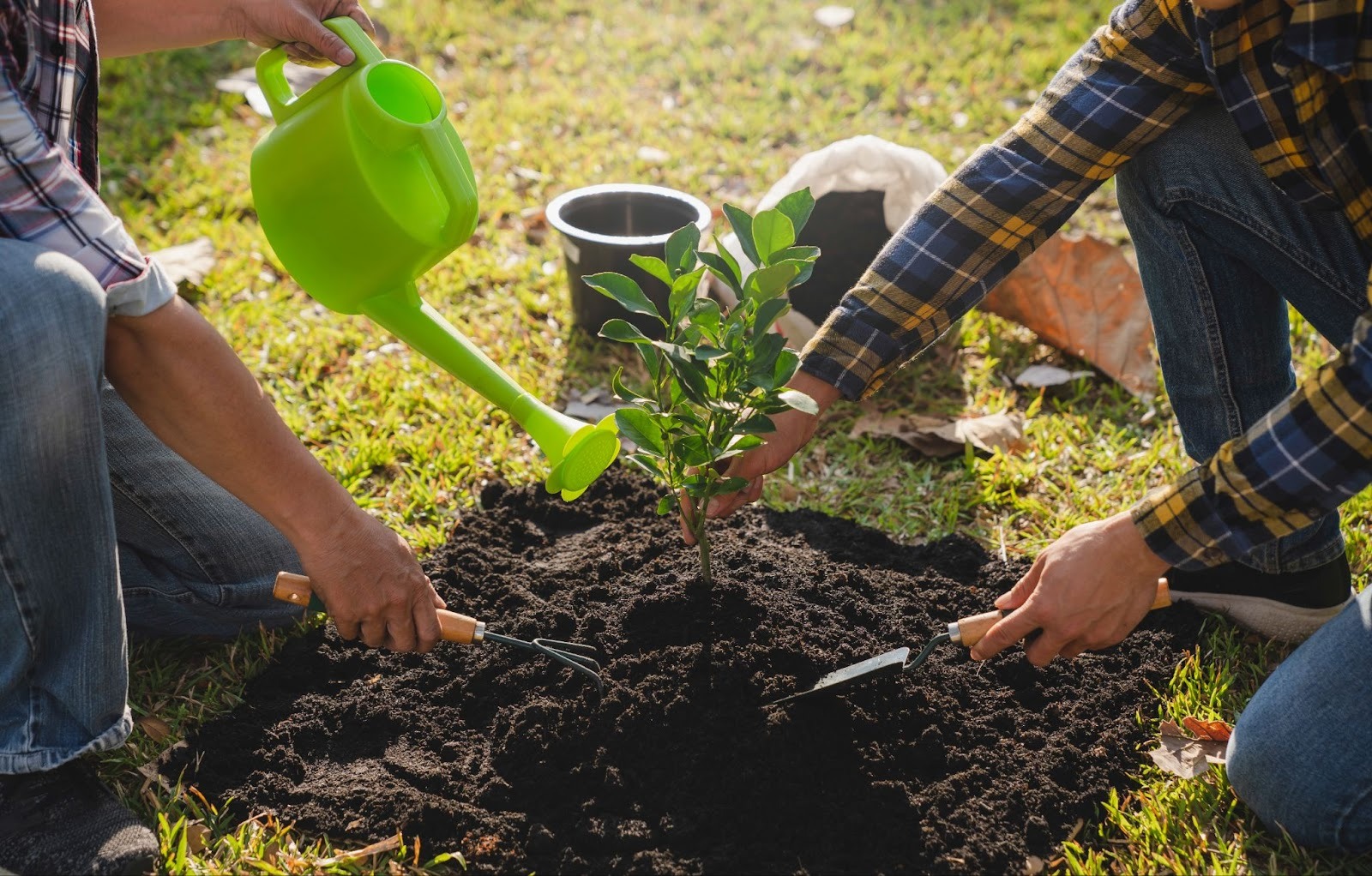
Planting is not just a date on the calendar; it is a biological window where roots, shoots, temperature, and moisture align. Choose that window well and the tree spends its first months building roots rather than fighting drought or heat. Miss it, and the same tree diverts energy into survival instead of establishment, often leading to stunted growth or chronic stress. Understanding the best times to plant trees helps you align climate patterns, soil readiness, and species traits, allowing the tree to settle in quickly and grow with confidence.
Matching the Best Times to Plant Trees With Your Climate Zone
Your local climate sets the rules of engagement. Cool, temperate regions often favor early spring and mid-to-late fall, while warm, mild zones can extend into winter when soils are workable. Coastal areas with foggy summers offer different opportunities than inland valleys with searing heat. By pairing regional weather rhythms with species needs, you ensure the best times to plant trees are more than guesses—they are informed decisions grounded in your microclimate.
Spring as One of the Best Times to Plant Trees—Advantages and Tradeoffs
Spring offers rising temperatures and consistent soil moisture in many regions, giving new roots a runway before summer stress arrives. Nurseries are well-stocked, and the surge of daylight supports photosynthesis for canopy development. The tradeoff is that spring-planted trees face a short countdown to heat, so watering discipline becomes nonnegotiable. If you plan carefully, spring can deliver quick establishment without compromising structure or health.
Cool-Soil Lift
Cool, moist spring soils allow fine roots to expand before leaf-out ramps up water demand. Early root growth buys resilience for the first warm spell.
Post-Planting Vigilance
A spring planting succeeds when watering is steady through the first summer. Shallow, frequent drinks are less effective than deep, measured soaking.
Why Fall Often Delivers the Best Times to Plant Trees
In many climates, fall is the sweet spot because soil stays warm while air temperatures cool, reducing the canopy’s thirst. Trees channel energy into root growth when leaves are dropping or evergreen metabolism slows, creating a stronger underground network by spring. Reduced pest pressure and gentler sunlight lower stress, and winter rains can assist with deep watering. This head start shows up as vigorous bud break and balanced growth once spring returns.
Stable Moisture
Autumn precipitation helps maintain even soil moisture, reducing transplant shock and guarding against erratic irrigation habits.
Root-to-Shoot Balance
A fall-planted tree invests in its roots first, establishing a healthier ratio of below-ground to above-ground growth for the next season.
When Mild Winters Expand the Best Times to Plant Trees
In frost-free regions, winter can be a quiet yet productive time for planting. Deciduous species arrive bare-root and ready for immediate establishment without the burden of supporting foliage. Because evapotranspiration is low, hydration needs are gentle, and roots can colonize the planting hole during every thaw. Where soils are workable and severe freezes are rare, winter extends the best times to plant trees well beyond traditional calendars.
Dormancy Advantage
A sleeping canopy keeps energy demands low. The tree allocates its scarce winter resources to its roots, not its leaves.
Soil Workability
If the soil is not waterlogged or frozen, winter planting reduces compaction and preserves soil structure around new roots.
Summer and the Best Times to Plant Trees—Proceed With Caution
Summer is not ideal in most climates because heat drives rapid water loss, and new roots have not yet spread into the surrounding soil. That said, container-grown stock planted with rigorous aftercare can still take hold. Success depends on shading tactics, mulch that moderates soil temperatures, and an irrigation plan you can keep without fail. If summer planting is unavoidable, tighten every variable you can control.
Container-Grown Exceptions
Trees grown in containers bring a root ball ready to expand, giving them a better chance of coping with heat when carefully watered.
Shade and Water Discipline
Temporary shade cloth and scheduled deep watering reduce transplant stress. Consistency, not volume spikes, determines survival.
Soil Prep That Supports the Best Times to Plant Trees
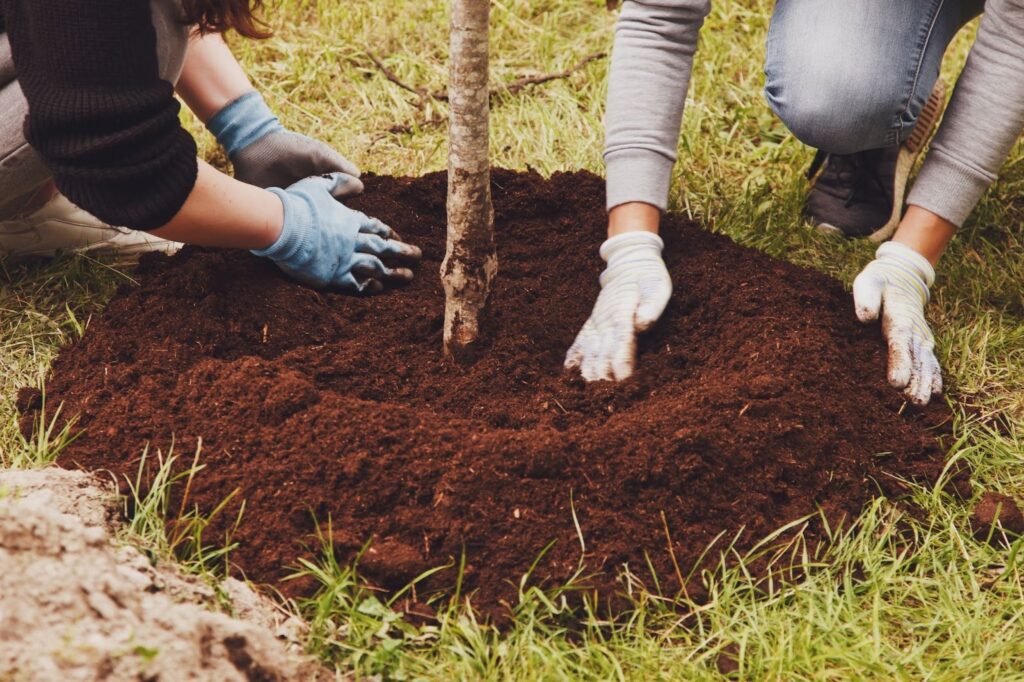
A well-timed planting fails if the soil is hostile. Aim for a wide, saucer-shaped hole with roughened sides so roots can wander beyond the original container shape. Backfill with the native soil you removed rather than rich amendments that create a “pot” effect. Finish with a mulch ring that leaves the trunk flare exposed, and you have built the foundation that makes the best times to plant trees truly pay off.
Right-Size the Hole
Twice as wide as the root ball and only as deep as the root flare ensures stability and proper oxygen access near the crown.
Mulch as a Buffer
A two-to-three-inch organic mulch layer conserves moisture, cools soil, and suppresses weeds without touching the trunk.
Species Choice Can Redefine the Best Times to Plant Trees
Deciduous trees often tolerate a broader planting window because dormancy shields them from stress. Many evergreens prefer early fall or early spring to avoid moisture loss through needles in high heat or deep cold. Some native species align with local rainfall patterns, while drought-adapted trees resent wet feet in cool soils. Choose species with your climate and soil in mind, and you will expand, not shrink, the best times to plant trees on your site.
Deciduous vs. Evergreen
Leaf-off planting offers flexibility for deciduous trees, while evergreens need careful timing to avoid desiccation.
Bare-Root vs. Balled-and-Burlapped
Bare-root stock favors dormancy windows; balled-and-burlapped trees carry more soil but demand proper handling and staking.
Urban Constraints and the Best Times to Plant Trees
Cities complicate timing because hardscapes store heat, soils are compacted, and reflective surfaces amplify stress. The right window often skews earlier in spring or later in fall to avoid peak urban heat. Plan around utility locates, traffic control, and irrigation access before setting dates. In dense neighborhoods, a well-chosen shoulder season becomes the safest version of the best times to plant trees.
Hardscape Heat Islands
Pavement radiates warmth late into the evening, so off-peak seasons help trees avoid continuous heat loading during establishment.
Utility and Access
Scheduling around underground services and curb work prevents root damage later and streamlines water access from day one.
Watering Plans That Reinforce the Best Times to Plant Trees
No timing can compensate for erratic watering. The goal is deep, infrequent soaking that encourages roots to chase moisture downward rather than hovering near the surface. Adjust the cadence to the weather, soil type, and species, then taper as the roots explore new soil. A consistent watering plan makes the best times to plant trees deliver measurable gains in survival and growth.
Establishment Timeline
Expect regular irrigation for the first growing season, then a gradual reduction as the tree hardens off and expands its root zone.
Depth Over Frequency
Moisture that reaches the whole root ball and beyond builds drought tolerance far better than quick, shallow sprinkles.
Microclimates Can Shift the Best Times to Plant Trees on the Same Property
South-facing slopes warm early, while low spots trap cold air and frost. Wind corridors strip moisture even on mild days, and walls can reflect heat that favors planting in the shoulder seasons. By mapping sun angles, wind patterns, and drainage, you can tailor the best times to plant trees to each planting hole rather than relying on a one-size-fits-all date.
Read the Site
Simple observations—where snow melts first, where dew lingers—reveal thermal differences that inform scheduling.
Adjust Per Exposure
A tree near a bright wall may thrive with fall planting, while a frost pocket demands later spring to avoid damage.
Nursery Readiness and the Best Times to Plant Trees
Stock quality is as important as the calendar. Look for a visible trunk flare, firm root ball, and a canopy proportional to roots. Avoid circling roots that may girdle the trunk later. When the tree itself is ready—well-hydrated and properly pruned—your chosen window becomes genuinely low risk. Healthy stock turns the best times to plant trees into the best outcomes to expect.
Inspect the Roots
Gently tease a small area to see if roots radiate outward. Correct minor circling at planting to prevent long-term issues.
Transport With Care
Secure the canopy and root ball during transit and plant promptly so delicate root hairs do not desiccate.
Maintenance Routines That Validate the Best Times to Plant Trees
After planting, light structural pruning, careful staking when needed, and regular inspections lock in early gains. Remove stakes as soon as the tree stands on its own to encourage trunk strength. Keep mulch fresh and clear of the trunk, and watch for pests drawn to tender new growth. Maintenance proves that the best times to plant trees were chosen wisely because the tree transitions from survival to steady growth.
Early Structural Cues
Train a single leader in applicable species and space scaffold branches to prevent future corrective cuts.
Monitor and Adapt
Respond to leaf scorch, chlorosis, or wilting with irrigation and soil adjustments before problems compound.
Evidence You Chose the Best Times to Plant Trees—What Success Looks Like
Healthy buds swell in spring, steady candles on evergreens, and subtle, uniform leaf color signal that roots are keeping pace with canopy demand. A gentle tug that meets resistance suggests new root anchorage, while consistent trunk taper indicates mechanical stability. Within the first year, you should see moderated water needs and fewer signs of stress. These are the quiet confirmations that the best times to plant trees are aligned with your site and species.
Root Expansion Signals
Fine, white feeder roots at the soil edge and improved wind firmness indicate active colonization beyond the planting hole.
Canopy Response
Even leaf-out and measured growth—not a sudden flush followed by wilt—reflect a balanced root-to-shoot relationship.
Planning a Calendar to Capture the Best Times to Plant Trees
Translate principles into dates by anchoring around soil temperature, typical first and last frost, and seasonal precipitation. Build a flexible window rather than a single day so that the weather can guide the final timing. If conditions turn extreme, pause and wait for a safer stretch. A responsive calendar honors the variability within the best times to plant trees and respects how quickly the weather can shift.
Professional Support to Optimize the Best Times to Plant Trees
Certified arborists and knowledgeable nursery partners can fine-tune timing for species you have never planted or sites with unusual constraints. They bring soil tests, irrigation guidance, and staking strategies that prevent rookie mistakes. When stakes are high—near buildings, in compacted subsoils, or under harsh sun—experienced guidance transforms the best times to plant trees from rules of thumb into site-specific success stories.
Site Assessment
Professionals evaluate compaction, drainage, utilities, and exposure so timing dovetails with real-world constraints.
Guarantees and Follow-Up
Some providers include establishment warranties tied to proper care, encouraging consistent watering and inspections.
Acting on the Best Times to Plant Trees
Choose a healthy tree, prepare the soil with care, pick a season that matches your climate, and commit to watering that reaches the whole root zone. With those pieces in place, your tree spends its first seasons building the underground network that supports decades of shade, habitat, and beauty. The best times to plant trees are ultimately about stacking the odds in favor of a quiet, durable establishment—so the tree can do what it does best: grow.
Visit the EML Tree Services blog to learn more about tree planting practices and other ways to beautify your outdoor space.