
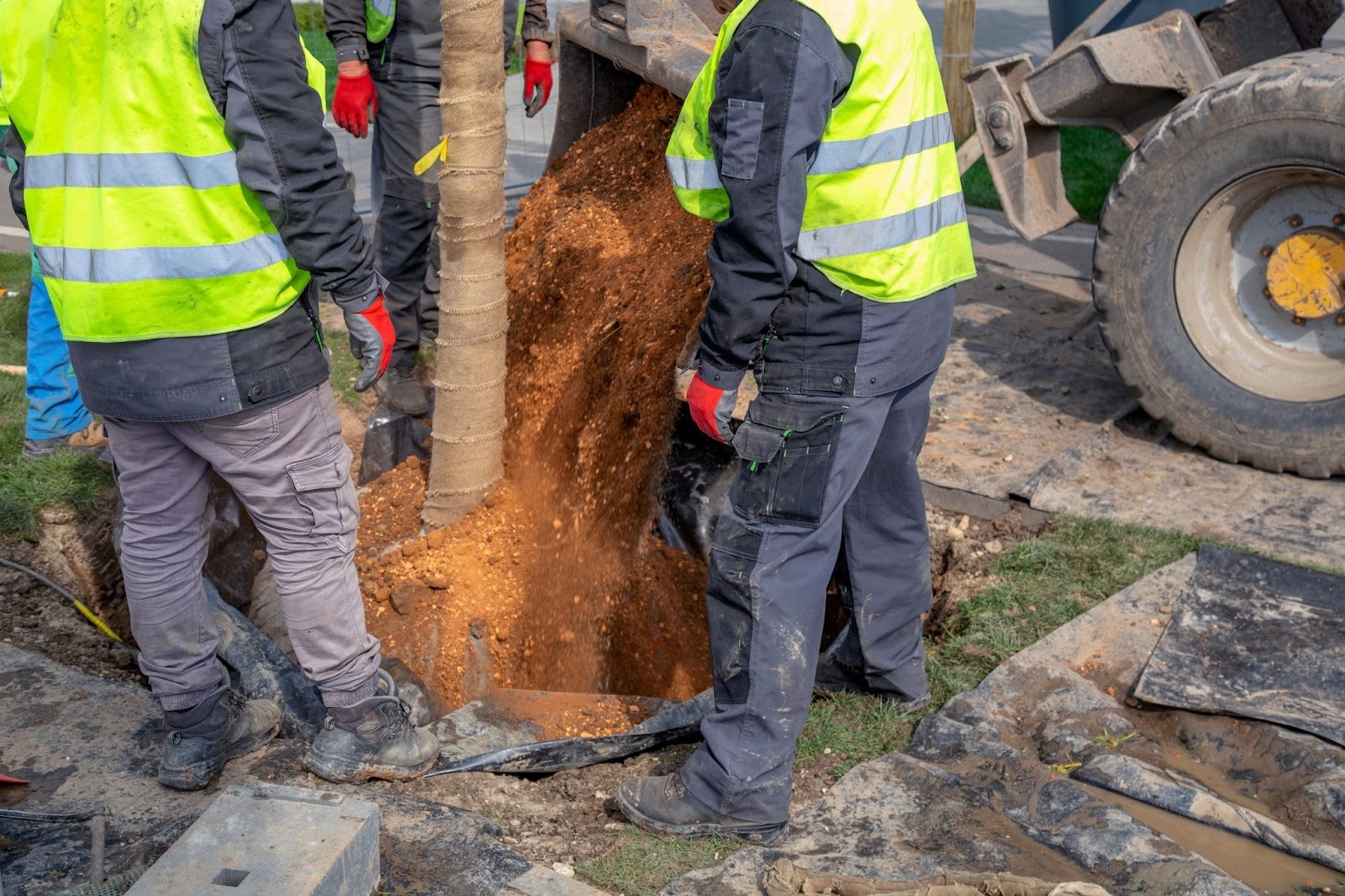
Some species tolerate root disturbance and relocation far better than others. Oaks with deep taproots and older conifers that resent root pruning are less ideal. At the same time, younger maples, elms, hollies, and many ornamentals adapt readily when handled correctly. Researching your species’ tolerance helps set realistic expectations for survival, growth rate, and the level of aftercare required. If you are uncertain about the cultivar or root behavior, a quick identification and consultation can prevent costly missteps before any shovel hits the ground.
Evaluating Size and Root Ball Requirements for Tree Transplanting
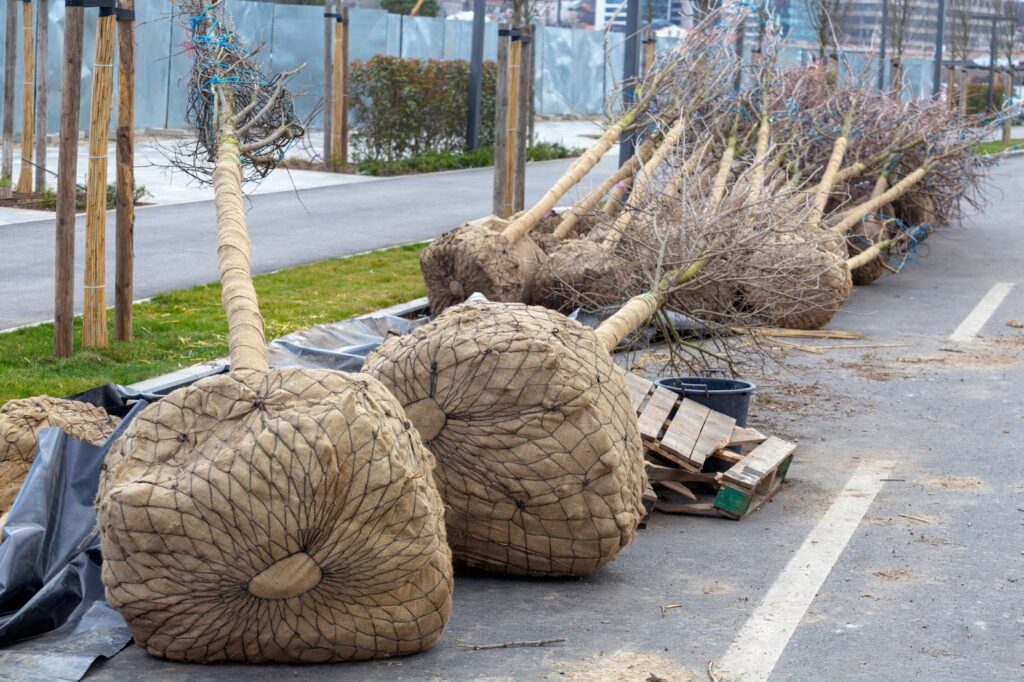
The larger the canopy and trunk diameter, the larger the root ball must be to sustain the tree after relocation. Industry guidelines tie root ball width to trunk caliper, which can quickly push equipment and access limits as the tree grows. Younger trees often transplant more smoothly because a higher proportion of their fine absorbing roots can be captured. When the necessary root ball would be too heavy to move safely or would not fit through gates, slopes, or narrow drives, relocation becomes impractical without significant site modifications.
Matching Tree Transplanting Site Conditions and Soil Profiles
Successful tree transplanting services pair the tree with a destination site that mirrors its current environment. Soil texture, drainage, pH, wind exposure, and sun hours should be comparable to reduce stress and encourage fast root reestablishment. If the new planting pit is compacted, poorly drained, or dramatically different in chemistry, roots struggle to explore beyond the original ball. Testing and amending the receiving site in advance gives the tree a soft landing, allowing it to resume growth instead of fighting fundamental survival challenges.
Soil Texture Compatibility
When a sandy root ball meets heavy clay, water movement stalls at the interface and roots may circle. Blending native soil and backfill thoughtfully can ease transitions and improve early establishment.
Drainage and Aeration
Standing water deprives roots of oxygen and invites rot. Confirm that water percolates within a few hours after a hose test, and elevate the pit slightly if seasonal saturation is common.
Choosing the Right Season and Timeline for Tree Transplanting
Cooler months with mild temperatures and natural rainfall reduce stress during a move. In many regions, late fall after leaf drop or early spring before budbreak offer ideal windows when demand on roots is lowest. Warm-season evergreens may prefer late winter moves to avoid droughty heat. Lead time matters too. Root pruning several months prior to the dig can stimulate a dense, compact root system that moves and recovers more predictably than an unprepared tree.
Inspecting Tree Transplanting Health and Structure
Strong candidates show vibrant foliage, balanced shoot growth, and no signs of chronic decline. Structural soundness matters as much as vigor; co-dominant stems with tight crotches, large cavities, or girdling roots introduce failure risks that relocation will not fix. A tree already fighting pests, cankers, or severe nutrient deficiency is less likely to rebound. Investing in corrective pruning and health care ahead of the move can elevate survival odds and reduce transplant shock.
Canopy Vigor Indicators
Even seasonally appropriate growth and well-formed buds suggest robust energy reserves. Sparse leaves, dieback, or off-color foliage point to hidden stress that could compound after relocation.
Trunk and Root Defects
Cracks, decay, or encircling roots weaken the structure and limit water flow. Addressing correctable defects early or selecting a healthier specimen can prevent disappointment later.
Access, Equipment, and Logistics that Influence Tree Transplanting
Great candidates can still be poor choices if the site is difficult to reach. Large spades, loaders, and cranes require stable ground, turning radius, and overhead clearance free of wires and limbs. Steep slopes, soft lawns, or delicate hardscapes complicate transport and staging. Planning mats for turf protection, marking utilities, and measuring gates and paths helps determine whether the move is feasible with available equipment and crew capabilities. When access is constrained, hand-digging or sectional moves may be possible but often raise costs and risk.
Tree Transplanting Aftercare Plans and Water Management
Success does not end when the hole is filled; it begins there. A newly moved tree needs consistent moisture at the root ball while the surrounding soil remains aerated, along with mulch to moderate temperature swings. Fertilization is usually minimal early on, but periodic checks for settling, leaning, or pests will catch issues before they escalate. An aftercare plan that spans one to three growing seasons makes the difference between mere survival and thriving growth.
Irrigation Strategy
Deep, infrequent watering encourages roots to explore beyond the ball. Monitoring with a probe or trowel ensures moisture reaches the active zone without waterlogging the interface.
Staking and Stabilization
Temporary staking prevents wind rock that can tear new root hairs. Secure ties and timely removal protect the trunk while allowing natural movement that strengthens the structure.
Budget, Risk, and Value Considerations in Tree Transplanting
Relocation can preserve mature character and save years of growth, but it involves specialized labor, equipment, and follow-up care. Comparing replacement cost, the tree’s sentimental or design value, and the probability of success provides a clear go or no-go decision. When the price of moving rivals or exceeds sourcing a well-grown nursery specimen that fits the site better, replacement may deliver more predictable outcomes. Conversely, for rare specimens or heritage plantings, relocation may be the most cost-effective path to retain uniqueness.
Professional Evaluation, Permits, and Coordination for Tree Transplanting
Experienced arborists bring species insight, root ball sizing, and timing strategies that raise success rates. Many municipalities require permits for moving protected species or for work near public rights-of-way, and utility locates are essential to prevent hazardous surprises. Coordinating pruning, root preparation, soil testing, and irrigation layout in a single plan aligns everyone on scope and schedule. Clear documentation also streamlines approvals from HOAs or landscape architects involved in the project.
Consulting an Arborist
A site visit can flag hidden constraints, optimize dig timing, and tailor aftercare. Professional oversight reduces risk and helps capture the tree’s full value at its new home.
Local Regulations and Utilities
Permit requirements and utility markings protect people, equipment, and the tree. Early coordination avoids delays and ensures compliance with community standards.
A Practical Checklist to Qualify for Tree Transplanting
Start by confirming species tolerance and selecting a season that favors root recovery. Verify that the required root ball size can be moved through available access with appropriate equipment and ground protection. Test the destination soil for drainage and chemistry, and prepare the pit so it invites roots to leave the ball. Commit to a concrete aftercare plan that includes irrigation, mulch, and monitoring through the first two or three growing seasons. If each box earns a confident yes, your tree stands an excellent chance of not only surviving the move but flourishing in its new setting.
Visit the EML Tree Services blog to learn more about how to know if a tree is a good candidate for transplanting.