EML Tree Services Logo Call Now
HOME / SERVICES / TREE TRIMMING AND PRUNING
Licensed and Insured

Tree Trimming and Pruningin Connecticut

Tree trimming and pruning in Connecticut protects the structure of the tree and the property under it. EML Tree Services prunes shade trees, ornamentals and hedges on residential and commercial properties. Estimates are free.

Licensed and Insured in Connecticut
Free Written Estimates, No Obligation
No Topping, No Lion Tailing
Brush Chipped and Hauled Away
Residential and Commercial Pruning Work
Licensed and Insured in Connecticut
Free Written Estimates, No Obligation
No Topping, No Lion Tailing
Brush Chipped and Hauled Away
Residential and Commercial Pruning Work
ABOUT THIS SERVICE

Tree Trimming and Pruning, Done
the Right Way

01Every job starts with a walkthrough

Tree trimming and pruning in Connecticut protects the structure of the tree and the property under it. EML Tree Services prunes shade trees, ornamentals and hedges on residential and commercial properties. Estimates are free.

02What EML Tree Services actually does

Pruning is not one service. These are the tree trimming options Connecticut property owners request most, and each solves a different problem.

03What's included in every job

Written estimate before the crew books the day. All work handled to Connecticut licensing and insurance standards. Full cleanup and haul-off included on every job. The property looks better when the trucks pull out than when they pulled in.

  • Free written estimates before booking
  • Licensed & insured Connecticut work
  • Full cleanup + haul-off same day
  • One scheduled visit, one crew
Get Your Free Estimate Response within 2 hours during business days.
9 TYPES OF SERVICE

Tree Trimming and Pruning Optionsin Connecticut

Pruning is not one service. These are the tree trimming options Connecticut property owners request most, and each solves a different problem. See all tree services for the full menu.

Crown Thinning 01

Crown Thinning in Connecticut

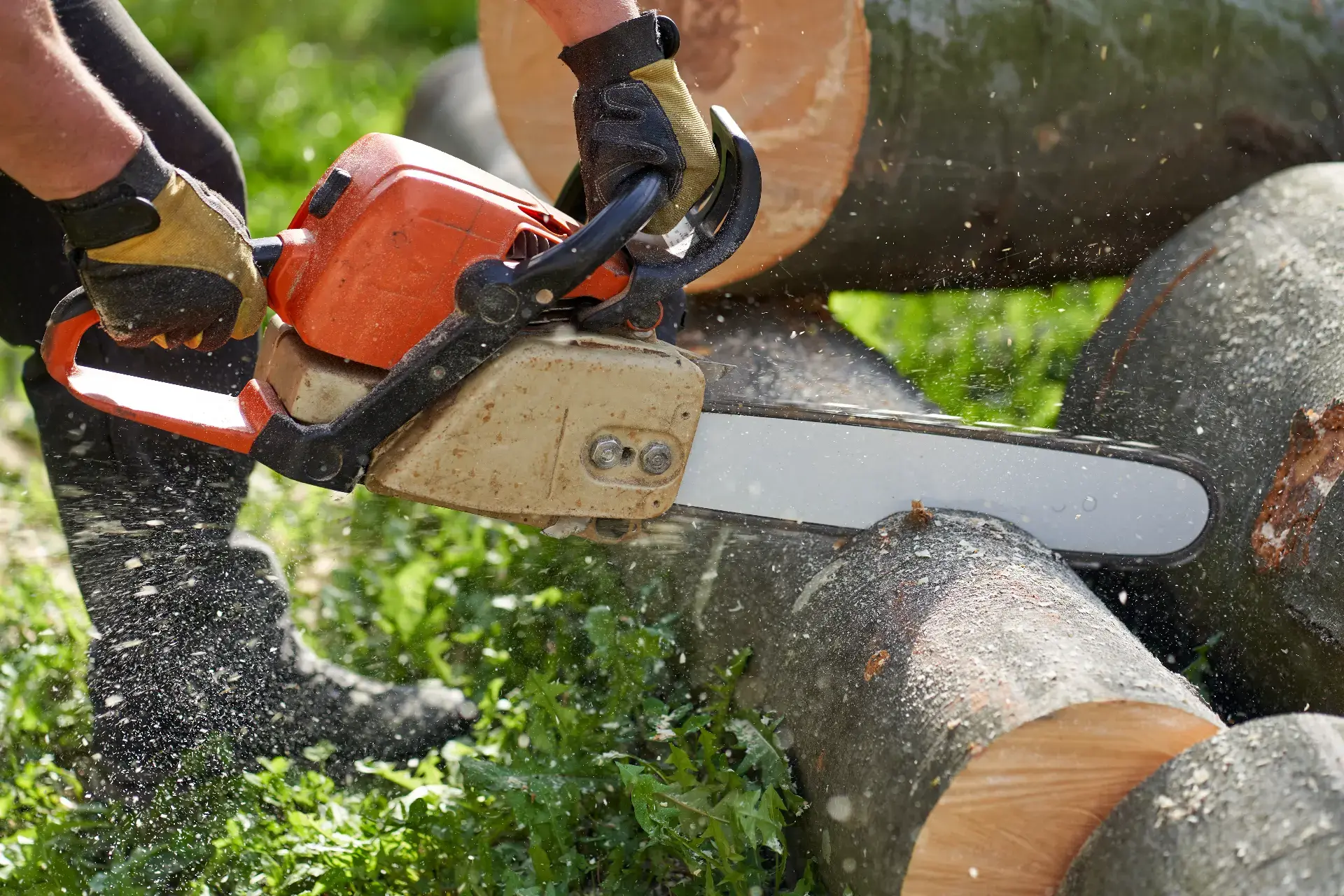
Crown thinning is the tree trimming service Connecticut homeowners request when a canopy turns too dense. Selective interior cuts open the crown, let light and wind pass through, and reduce sail effect during storms. Thinning also improves grass growth underneath and slows fungal problems on shaded, damp limbs. Connecticut oaks and maples need it eventually.
Crown Raising 02

Crown Raising in Connecticut

Crown raising removes the lowest limbs to create clearance over driveways, sidewalks, lawns and rooflines. This pruning service in Connecticut is common on maples and oaks that block delivery trucks, mowers or sight lines at the end of a driveway. Cuts stay small so the trunk keeps its taper. Trucks, mowers and gutters gain clearance.

Crown Reduction 03

Crown Reduction in Connecticut

Crown reduction shortens a tree that has outgrown its space, without topping it. Topping ruins structure and invites decay, so Connecticut tree trimming crews reduce to lateral branches instead. The tree keeps a natural outline, weight comes off the long limbs, and future growth stays manageable near the house. Reduction beats removal on healthy trees.

Deadwood Removal 04

Deadwood Removal in Connecticut

Deadwood removal clears dry, brittle limbs before they drop on a roof, a car or a walkway. Dead branches in Connecticut oaks, ashes and maples come out year round, since no seasonal window is needed for dead wood. Removing them stops decay from spreading into healthy trunk wood. It is the most common pruning call.

Storm Pruning 05

Storm Pruning in Connecticut

Storm pruning handles what a nor'easter, ice load or summer wind leaves behind. Hangers, split limbs and cracked leaders get cut back to sound wood, and the debris gets hauled off. Connecticut property owners use this pruning service to make a damaged tree safe before deciding on removal. Hazard limbs come down before anything else.

Structural Pruning 06

Structural Pruning in Connecticut

Structural pruning shapes young and mid age trees before problems set in permanently. Competing leaders, tight crotch angles and crossing branches get corrected early, which costs far less than cabling or removal later. New plantings on Connecticut properties benefit most in the first fifteen years of growth. Builders and landscapers in Connecticut schedule this work.

Hedge Trimming 07

Hedge Trimming in Connecticut

Hedge trimming keeps arborvitae, privet, boxwood and yew lines square, dense and at the height you want. Overgrown hedges get brought back gradually, since hard cuts into old wood do not fill in again. Connecticut homeowners book this with seasonal property maintenance to keep borders clean all year. Commercial hedge lines in Connecticut qualify too.

Vista Pruning 08

Vista Pruning in Connecticut

Vista pruning opens a view without clearing the trees that frame it. Limbs come out selectively to reveal water, hills or open field, while the remaining canopy still screens the road and the neighbors. This tree trimming approach works well on wooded Connecticut lots with long sight lines. Wooded ridge lots benefit the most here.

Ornamental Pruning 09

Ornamental Pruning in Connecticut

Ornamental pruning covers dogwoods, magnolias, Japanese maples, lilacs and fruit trees, where timing matters most. Flowering wood gets pruned after bloom and fruit wood before bud break, so nothing loses a season. Shape, air flow and fruit quality improve when cuts follow the species, not the calendar. Timing changes with each Connecticut species we prune.

BEFORE YOU CALL

When to Prune Trees

Here's the honest breakdown of when each option is the right call.

WINTER Winter
DETAILS Best window for most shade trees. Structure is visible and frozen ground protects the lawn.
SPRING Spring
DETAILS Flowering trees get pruned after bloom. Heavy sap flow on maples and birches is normal.
SUMMER Summer
DETAILS Light corrective work only. Growth slows, so cuts close fast and oaks avoid wilt risk.
FALL Fall
DETAILS Deadwood and clearance work. Avoid heavy pruning while trees are moving into winter dormancy slowly.
WORK IN THE FIELD

Recent Trimming &Pruning Work

Photos from real jobs across Connecticut on residential and commercial properties.

RED FLAGS

Signs aTree Needs Pruning

Watch for these signs. If any show up on your property, book an assessment.

01

Limbs scraping the roof or the siding

02

Dead branches hanging visible in the canopy

03

Low limbs blocking the driveway or walkway

04

A canopy so dense grass stopped growing

05

Split or cracked limbs after a storm

06

Branches growing toward the electric service line

BEFORE THE FIRST CUT

How a
Pruning Job Runs

Every job follows a clear sequence — no surprises on the day.

01

Canopy Assessment

The tree gets read from the ground first: deadwood, weak unions, clearance issues and the target removal percentage.

02

Cut Plan Agreed

You see exactly which limbs are marked and how much canopy comes off before anyone climbs the tree.

03

Climbing or Lift

Climbers rope in or a lift positions, depending on access, slope and how far the limbs reach out.

04

Chip and Clear

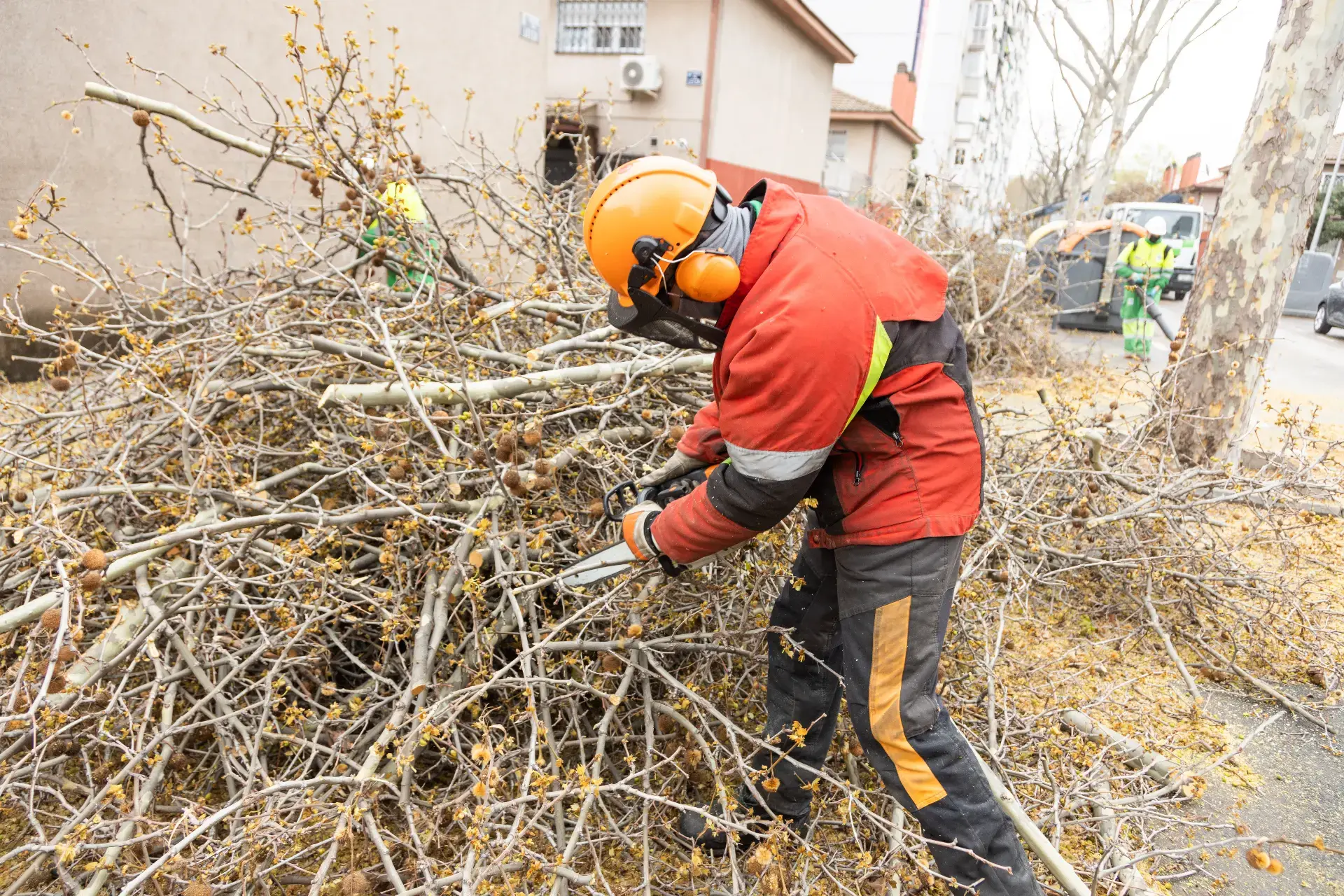
Brush feeds the chipper, cuts get inspected from the ground, and the whole work area gets blown clean.

PRACTICES AVOIDED

Pruning Practices
We Avoid

Practices we do not use — because they hurt the tree.

01 Topping — We never cut a healthy tree back to stubs and call it pruning.
02 Lion tailing — Stripping interior growth and leaving weight at the tips weakens every single limb.
03 Spiking live trees — Climbing spikes puncture healthy bark, so they stay off trees we are pruning.

Free written estimates cover all of these before you agree to book.

COVERAGE AREA

Tree Trimming and Pruning in Connecticut
Towns We Cover

Same crew, same standards, same cleanup in every town listed here. More Connecticut towns coming soon — see full coverage →

FREQUENTLY ASKED

Tree Pruning
Questions in Connecticut

Q01 How much can you safely prune at once?

The rule of thumb is a quarter of the live canopy in a single season, less on older or stressed trees. Cut more than that and you're taking away the food factory. We'll tell you what a tree can handle.

Q02 Do you top trees?

No. Topping cuts a tree back to stubs, and what grows back is weak, fast and prone to failure. If a tree is too big for the spot, we reduce it to lateral limbs or we talk about removal instead.

Q03 How often should trees be pruned?

Most mature shade trees do fine on a three to five year cycle. Young trees benefit from lighter, more frequent work while structure is still forming. Fruit trees and hedges are annual. Storm damage runs on its own schedule entirely.

Q04 Will pruning make my tree grow back thicker?

It depends on the cut. Heading cuts trigger a burst of weak shoots, which is why topping looks bushy and ends badly. Proper cuts at a lateral or the branch collar redirect the growth instead of forcing a panic response.

Q05 Can pruning save a storm damaged tree?

Sometimes. If the trunk is sound and most of the canopy is intact, cutting back to clean wood gives it a real shot. A split leader or a cracked trunk is different, and we'll say so honestly on the spot.

FREE ESTIMATE · NO OBLIGATION

Get a Free Tree Pruning Estimate
in Connecticut

Send the address and a note about which trees need attention. A written pruning estimate follows, at no cost and with no obligation.

Licensed & Insured Free Written Estimates Full Cleanup Included

Request Your Free Estimate

Response within 2 hours during business days.

Best Time to Call (Optional)
Thank you! We will contact you shortly.
Sorry, there was an error. Please call (203) 702-3316.