EML Tree Services Logo Call Now
HOME / SERVICES / TREE AND SHRUB TRANSPLANTING
Licensed and Insured

Tree and Shrub Transplantingin Connecticut

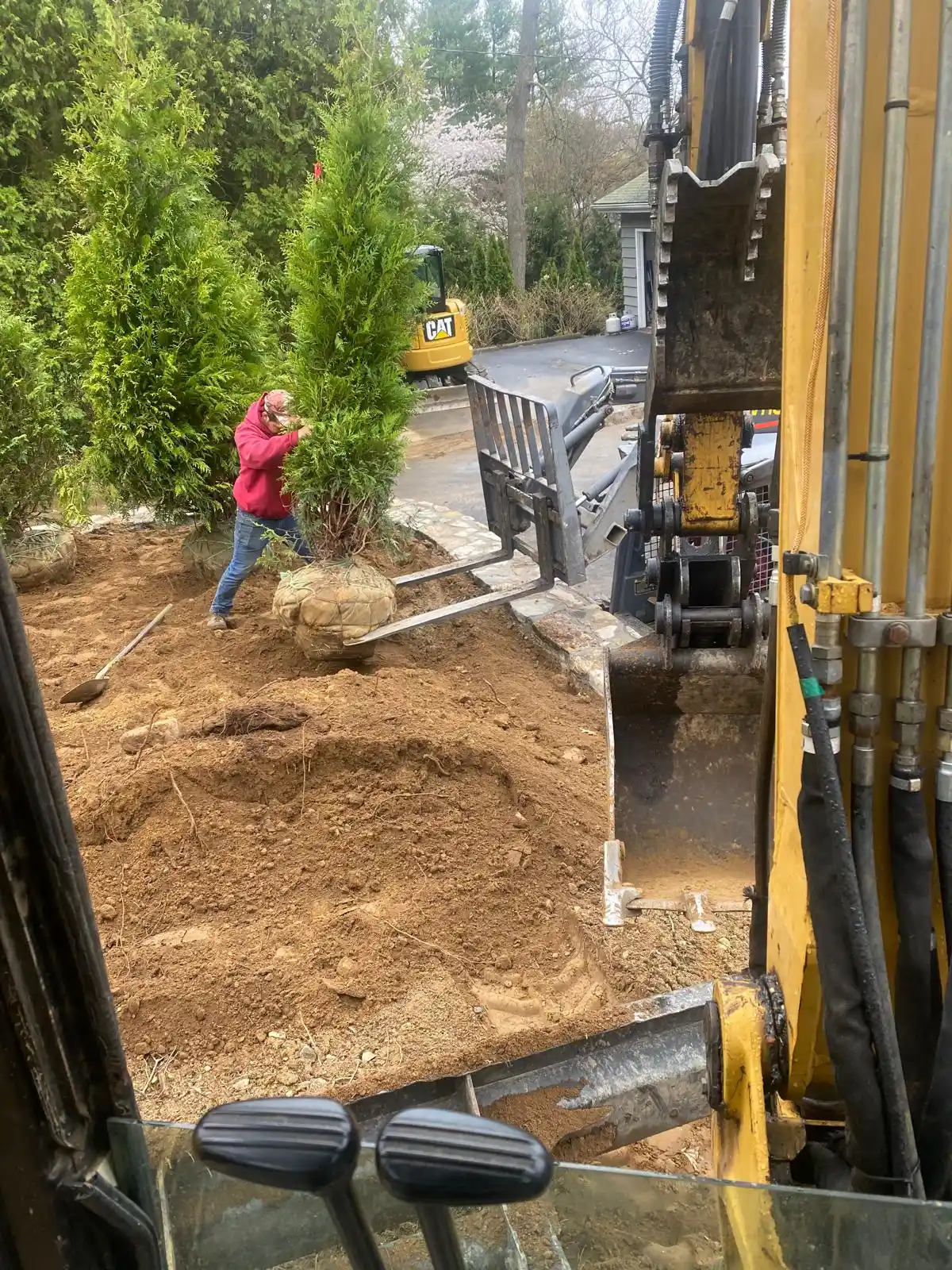
Tree and shrub transplanting in Connecticut moves what you already have instead of replacing it. EML Tree Services digs the root ball, wraps it, resets the plant at the correct depth and waters it in.

Licensed and Insured in Connecticut
Free Written Estimates, No Obligation
Root Balls Wrapped and Strapped
Replanted at the Original Depth
Watering Schedule Left Behind After
Licensed and Insured in Connecticut
Free Written Estimates, No Obligation
Root Balls Wrapped and Strapped
Replanted at the Original Depth
Watering Schedule Left Behind After
ABOUT THIS SERVICE

Tree and Shrub Transplanting, Done
the Right Way

01Every job starts with a walkthrough

Tree and shrub transplanting in Connecticut moves what you already have instead of replacing it. EML Tree Services digs the root ball, wraps it, resets the plant at the correct depth and waters it in.

02What EML Tree Services actually does

Moving a plant beats buying one twice its price. These are the transplanting jobs Connecticut property owners ask us about most often.

03What's included in every job

Written estimate before the crew books the day. All work handled to Connecticut licensing and insurance standards. Full cleanup and haul-off included on every job. The property looks better when the trucks pull out than when they pulled in.

  • Free written estimates before booking
  • Licensed & insured Connecticut work
  • Full cleanup + haul-off same day
  • One scheduled visit, one crew
Get Your Free Estimate Response within 2 hours during business days.
9 TYPES OF SERVICE

Transplanting Optionsin Connecticut

Moving a plant beats buying one twice its price. These are the transplanting jobs Connecticut property owners ask us about most often. See all tree services for the full menu.

Shrub Transplanting 01

Shrub Transplanting in Connecticut

Shrub transplanting in Connecticut is the most common move we make. Hydrangea, boxwood, rhododendron, azalea and yew all relocate well when the ball comes out wide and the plant goes back at the same depth. Most shrubs move in a single visit. Spring and fall are by far the strongest windows for shrub moves here.
Small Trees 02

Small Trees in Connecticut

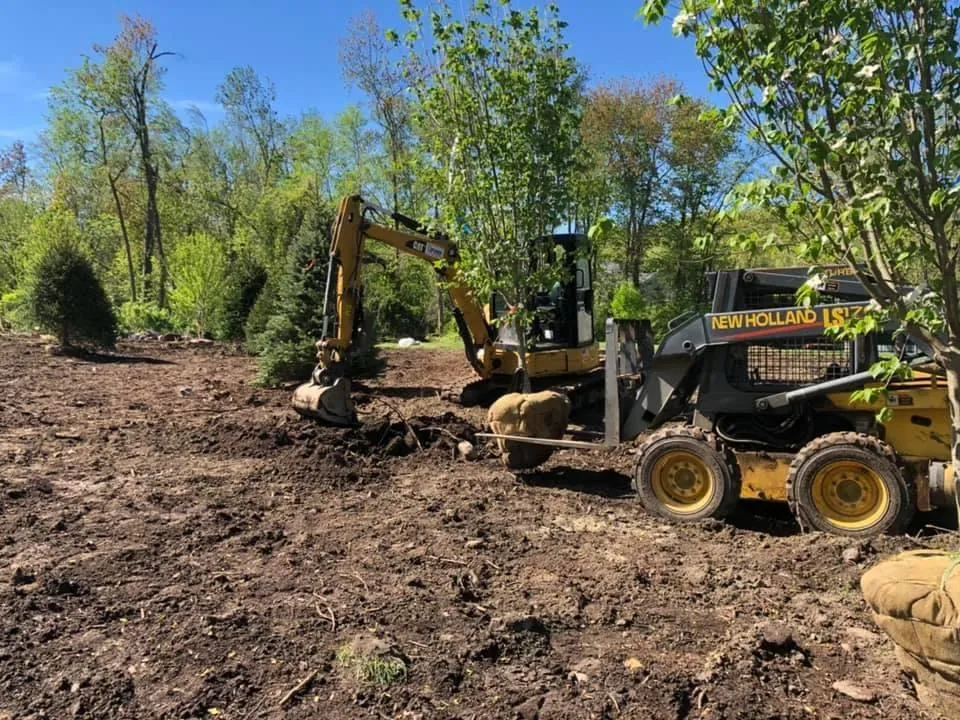
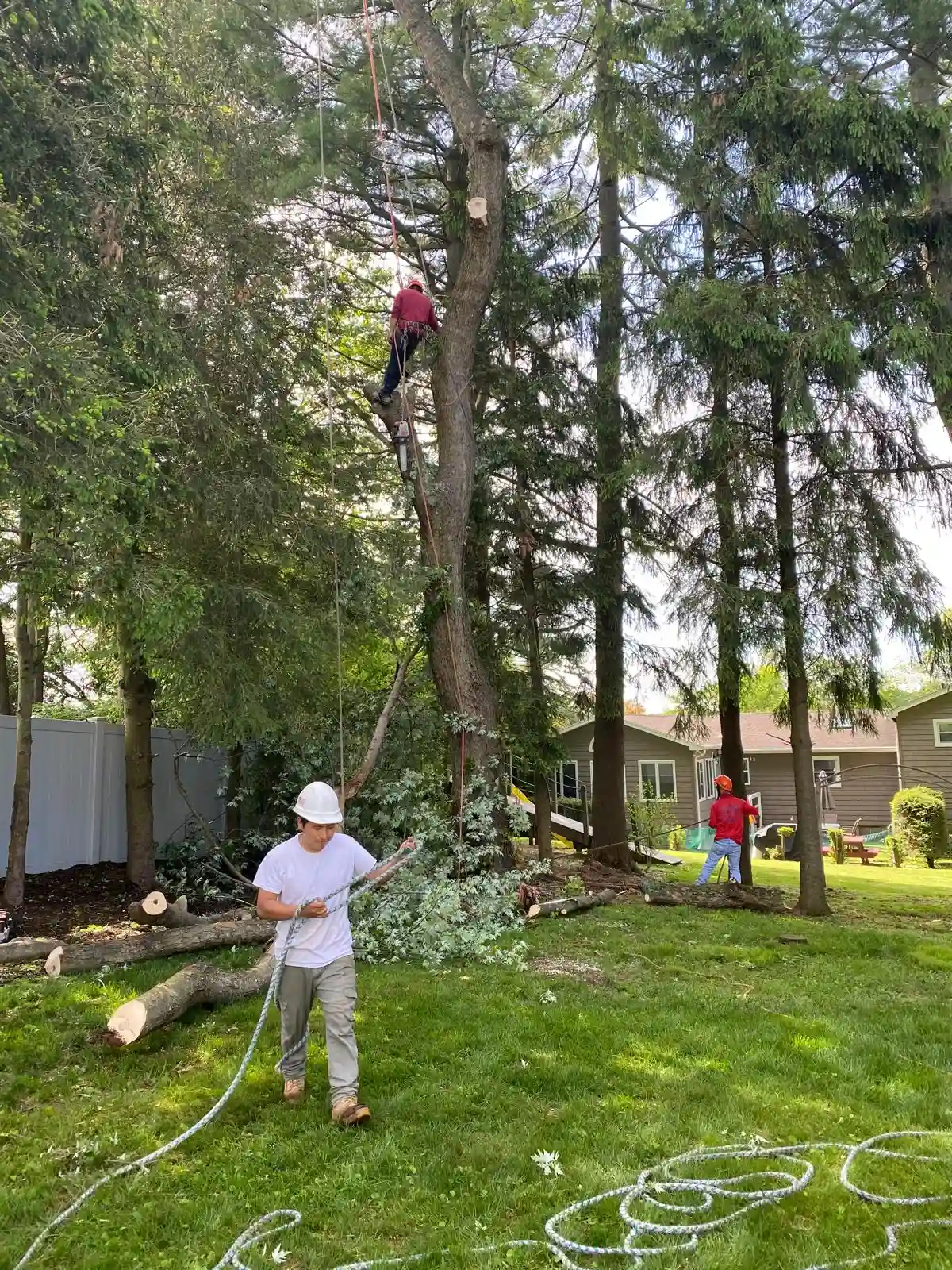
Trees under about four inches of trunk caliper transplant reliably. Japanese maples, dogwoods, redbuds and young shade trees get dug, wrapped and reset with equipment. Anything larger depends on access, since the root ball weight climbs fast with caliper. Tree transplanting in Connecticut gets quoted after we measure the trunk and check the access route.

Evergreen Transplanting 03

Evergreen Transplanting in Connecticut

Evergreens move well because they hold a dense fibrous root system close to the trunk. Arborvitae, spruce, hemlock and juniper transplant with a compact ball. Winter wind and road salt at the new spot matter as much as the dig itself. Evergreen transplanting in Connecticut works best during early spring or the cooler fall months.

Hedge Relocation 04

Hedge Relocation in Connecticut

An entire hedge line can shift instead of being scrapped. Arborvitae screens, privet and yew hedges get moved plant by plant, spaced the same and reset in a straight line. Connecticut homeowners do this when a fence or driveway changes. Moving an established screen beats waiting eight years for new arborvitae to fill in again.

Construction Relocations 05

Construction Relocations in Connecticut

Builders in Connecticut move plantings out of the footprint before excavation starts. Shrubs and small trees get relocated to a holding spot on the property, then reset once grading and hardscape finish. Coordination with the site schedule matters more than anything. Salvaging mature stock also keeps the landscape budget down on new Connecticut home builds.

Root Pruning 06

Root Pruning in Connecticut

Root pruning is the prep step most people skip. A circle gets cut around the plant a full season before the move, which pushes fine feeder roots inside the future ball. Survival odds go up sharply on larger material. Root pruning in Connecticut usually happens the fall before a planned spring move. The timing matters.

Salvage Transplanting 07

Salvage Transplanting in Connecticut

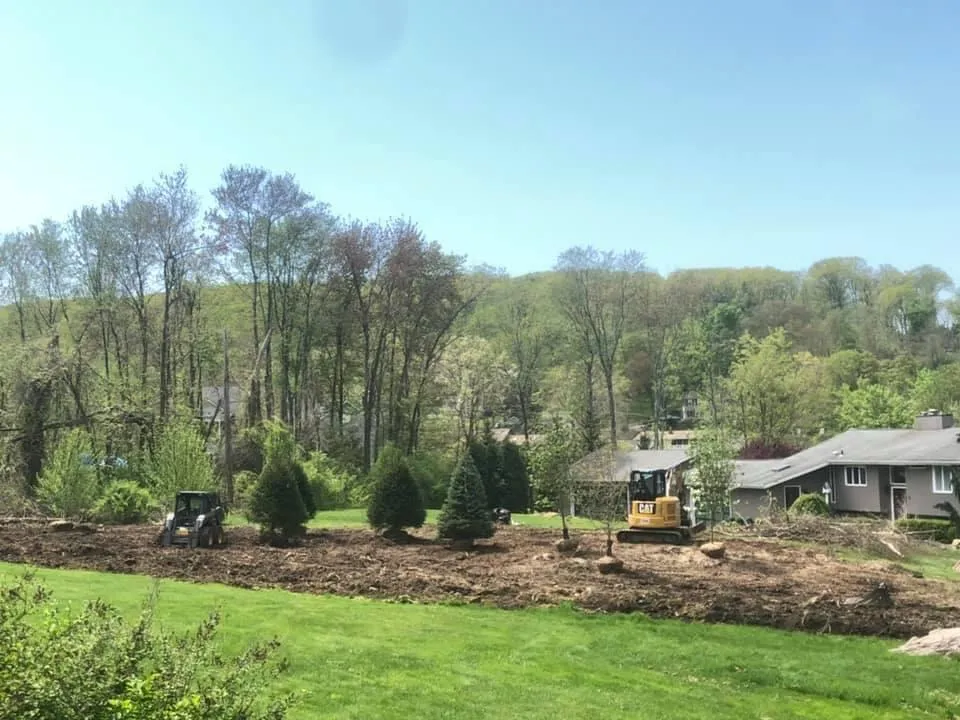
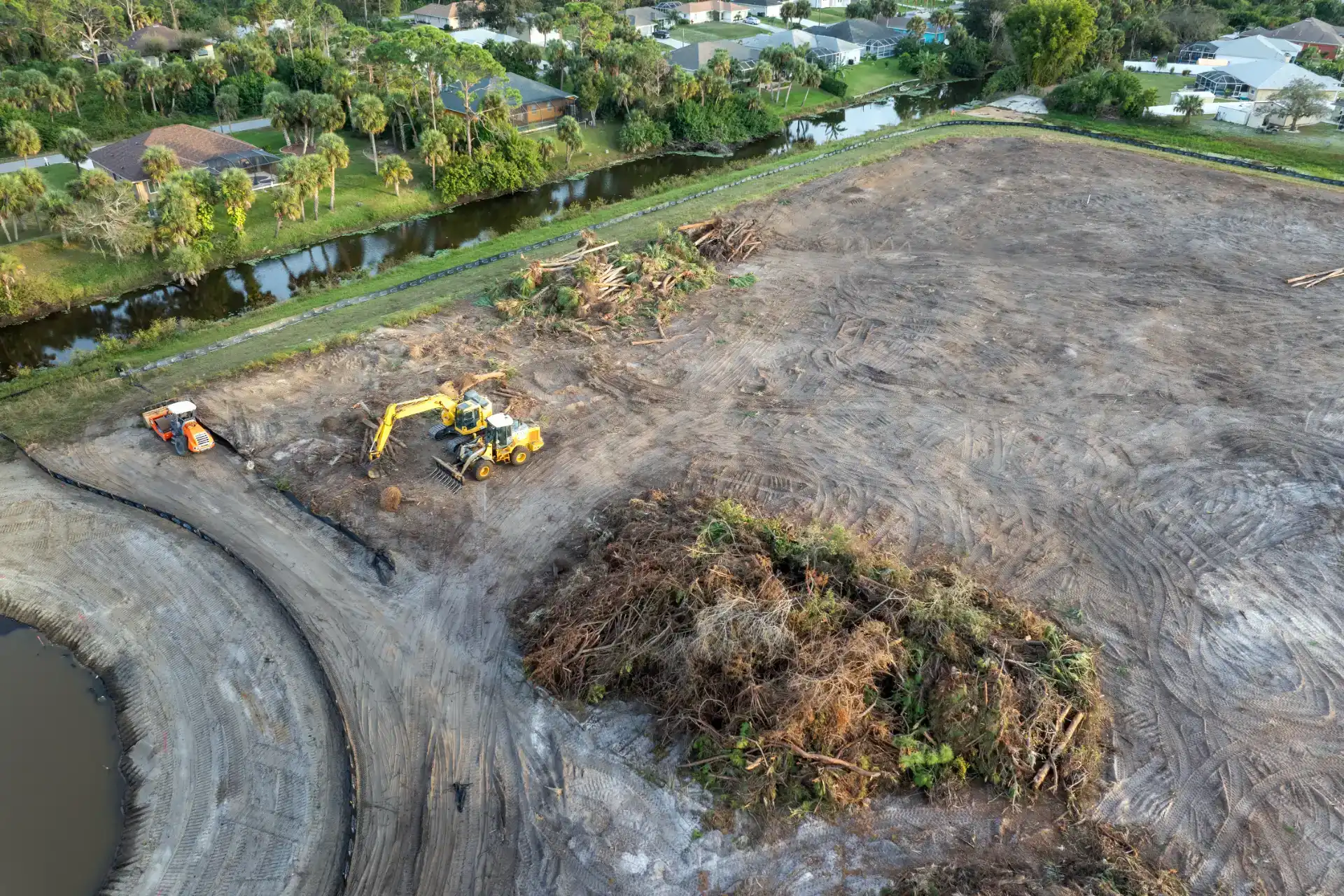
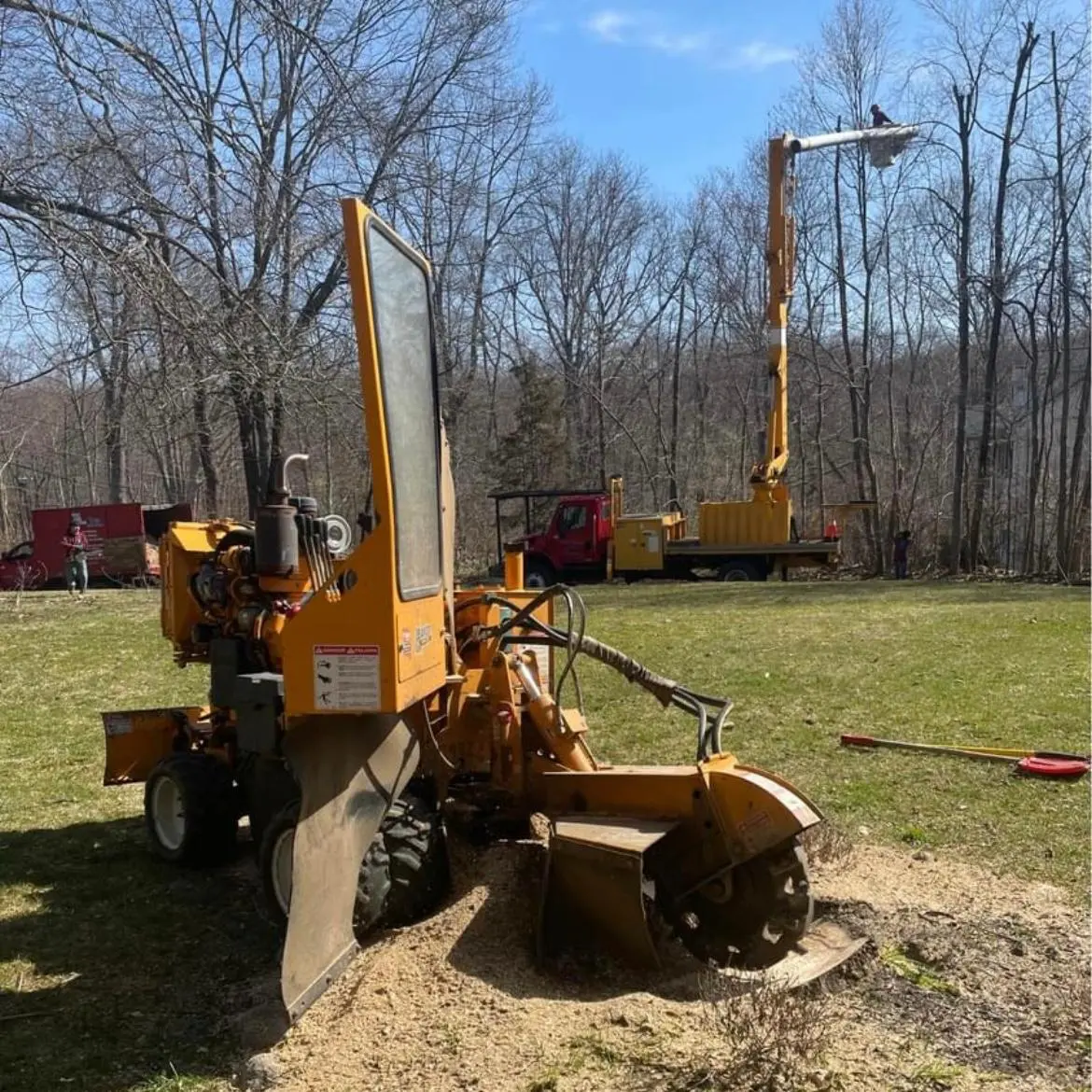
Land clearing does not have to erase everything. Specimen shrubs, young trees and native stock worth keeping get dug ahead of the machines and reset elsewhere on the parcel. This pairs directly with land clearing work in Connecticut. Salvage transplanting in Connecticut gets scheduled before the clearing crew arrives. Anything you flag comes out first.

Ornamental Moves 08

Ornamental Moves in Connecticut

Ornamentals end up in the wrong place more than any other plant. A Japanese maple buried behind a garage or a dogwood crowded by a spruce gets moved into the light. Placement gets planned before anything gets dug. Ornamental transplanting in Connecticut often follows a removal or a new patio project. The light changes everything.

Transplant Aftercare 09

Transplant Aftercare in Connecticut

The move is only half the job. Deep watering, a mulch ring away from the trunk and no fertilizer in the first season decide whether the plant takes. Connecticut winters test transplants hardest in the first two years. Transplant aftercare in Connecticut runs through the first two growing seasons. We leave you a watering schedule.

BEFORE YOU CALL

What Can and Cannot Be Moved

Here's the honest breakdown of when each option is the right call.

SHRUBS Shrubs and hedges
DETAILS Move well through most of the season with a hand dug ball
TREES Trees under four inches caliper
DETAILS Standard transplant work with a machine or a hand crew
TREES Trees above that caliper
DETAILS Possible, but ball weight and equipment access decide the answer
MATURE Mature trees against a foundation
DETAILS Usually replacement makes more sense than relocation
RED FLAGS

When MovingBeats Replacing

Watch for these signs. If any show up on your property, book an assessment.

01

Shrubs planted too close to the house

02

A hedge sitting where construction will go

03

Young trees crowding each other out already

04

Plants worth saving before a lot clears

05

A specimen shrub wanted near the entry

06

Screening planted in the wrong spot originally

BEFORE THE FIRST CUT

How a
Transplant Job Runs

Every job follows a clear sequence — no surprises on the day.

01

Assess and Measure

Trunk caliper, root spread, access width and the receiving hole all get measured before a date gets set.

02

Root Prune Ahead

When the schedule allows, roots get cut a season early so feeder growth stays inside the future ball.

03

Dig and Wrap

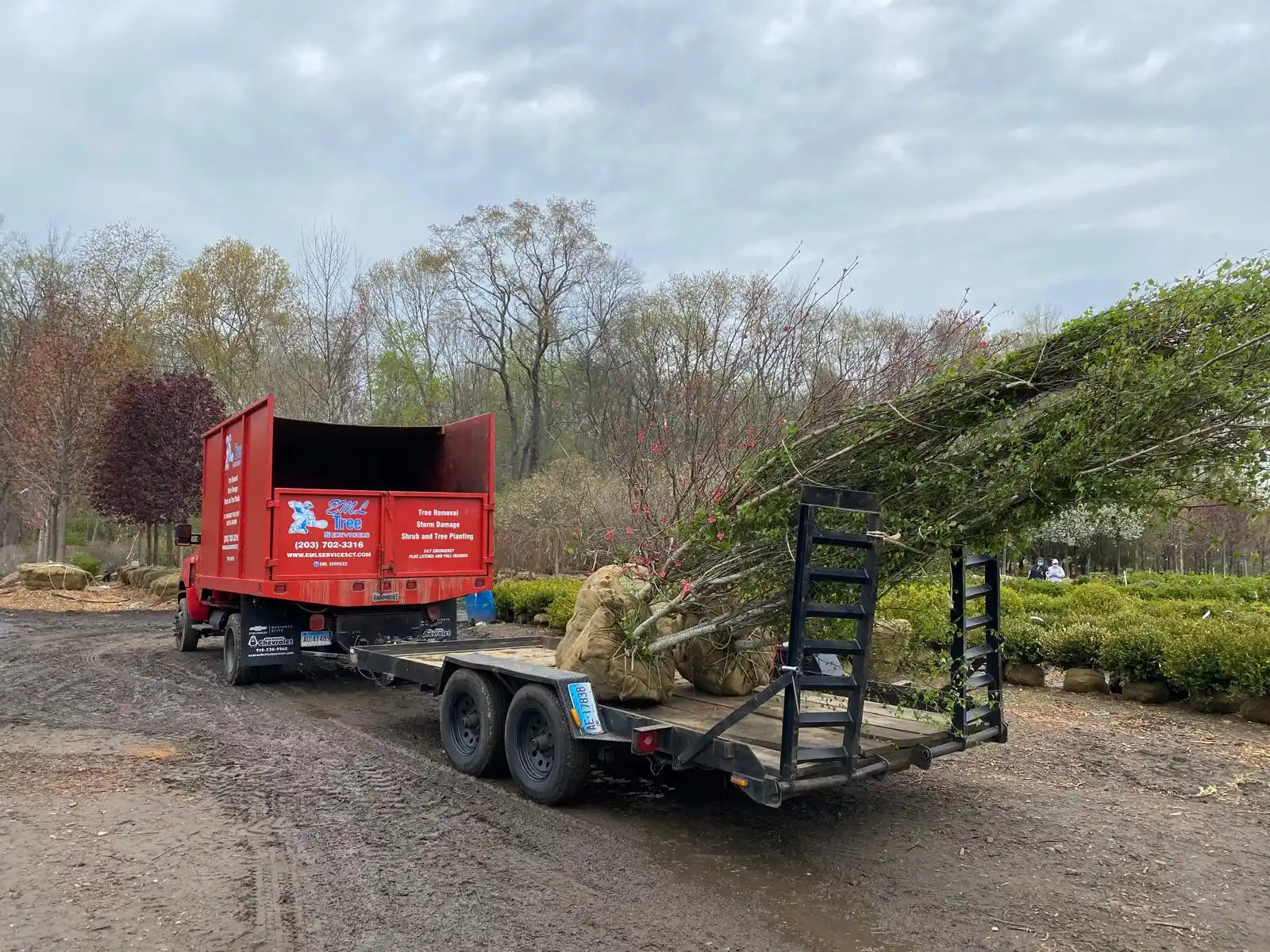
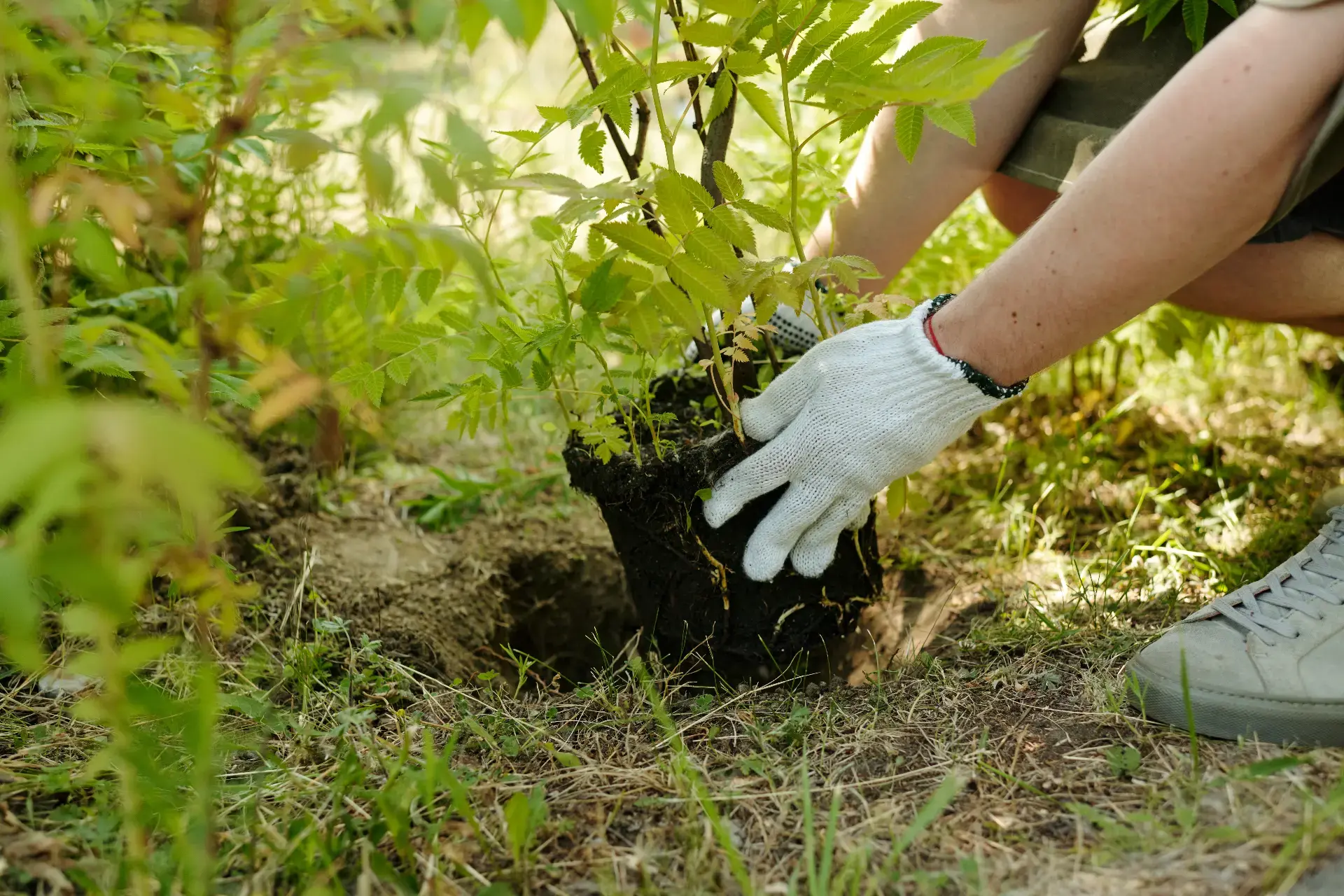
The ball gets dug wide, wrapped in burlap and strapped so it holds together during the lift out.

04

Set and Water

The plant goes in at the same depth it grew, gets backfilled, mulched and soaked before we leave.

WHERE THE COST COMES FROM

What Changes
a Transplanting Price

Every job is different. These are the factors that build the written price at your walkthrough — no hidden math.

01 Trunk caliper and root ball size
02 Distance between the old and new
03 Machine access at both planting spots
04 Whether root pruning is done first
05 Soil, rock and drainage at both

Free written estimates cover all of these before you agree to book.

COVERAGE AREA

Tree and Shrub Transplanting in Connecticut
Towns We Cover

Same crew, same standards, same cleanup in every town listed here. More Connecticut towns coming soon — see full coverage →
FREQUENTLY ASKED

Transplanting Questions
in Connecticut

Q01 How big a tree can actually be moved?

Rule of thumb, the root ball needs about ten to twelve inches of width for every inch of trunk caliper. A four inch trunk means a four foot ball, and that weight decides whether machines can even reach the spot.

Q02 What are the odds it survives the move?

Good, if the timing and the root ball are right. Dormant season moves with a full ball and steady water usually take. Summer moves on a mature tree with a short ball are where most of the failures come from.
Q03 Is moving a shrub cheaper than buying new?

Usually, once the plant is established and worth keeping. A ten year old rhododendron costs real money to replace at that size. Small nursery stock is different, buying new is often faster and cheaper than moving what you already have.

Q04 Why root prune months before the move?

Root pruning cuts a circle around the plant a season ahead, which forces fine feeder roots to grow inside the future ball. When the move happens, more of the working root system comes with it into the new planting hole.

Q05 Can you move something planted next to the house?

Sometimes. Foundation shrubs usually come out fine. A tree that's been growing against the house for fifteen years has roots under the footing and the walk, and that's when replacement beats relocation. We'll tell you which one you're dealing with.

FREE ESTIMATE · NO OBLIGATION

Get a Free Transplanting Estimate
in Connecticut

Send the address and what you want moved, with a photo if you have one. A written estimate follows at no cost.

Licensed & Insured Free Written Estimates Full Cleanup Included

Request Your Free Estimate

Response within 2 hours during business days.

Best Time to Call (Optional)
Thank you! We will contact you shortly.
Sorry, there was an error. Please call (203) 702-3316.