EML Tree Services Logo Call Now
HOME / SERVICES / TREE AND SHRUB PLANTING
Licensed and Insured

Tree and Shrub Plantingin Connecticut

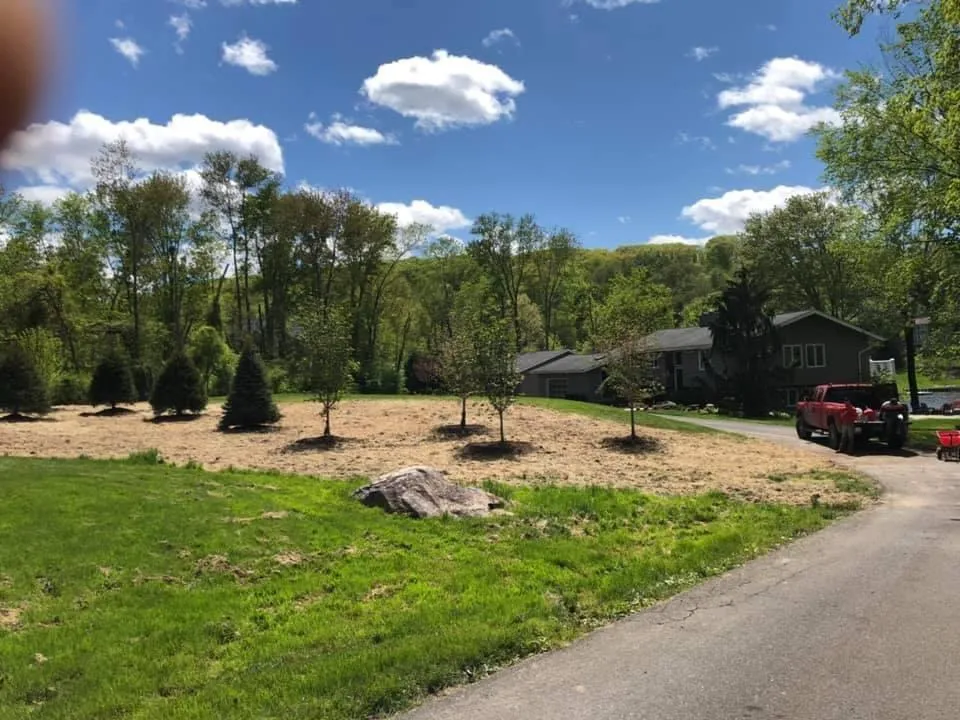
Tree and shrub planting in Connecticut starts with the right species for the spot. EML Tree Services sources the stock, digs the hole, sets the root flare correctly and mulches before leaving.

Licensed and Insured in Connecticut
Free Written Estimates, No Obligation
Species Matched to Your Site
Root Flare Set Above Grade
Mulched and Watered Before Leaving
Licensed and Insured in Connecticut
Free Written Estimates, No Obligation
Species Matched to Your Site
Root Flare Set Above Grade
Mulched and Watered Before Leaving
ABOUT THIS SERVICE

Tree and Shrub Planting, Done
the Right Way

01Every job starts with a walkthrough

Tree and shrub planting in Connecticut starts with the right species for the spot. EML Tree Services sources the stock, digs the hole, sets the root flare correctly and mulches before leaving.

02What EML Tree Services actually does

Planting is not just digging a hole. These are the tree and shrub planting jobs Connecticut property owners ask about most often.

03What's included in every job

Written estimate before the crew books the day. All work handled to Connecticut licensing and insurance standards. Full cleanup and haul-off included on every job. The property looks better when the trucks pull out than when they pulled in.

  • Free written estimates before booking
  • Licensed & insured Connecticut work
  • Full cleanup + haul-off same day
  • One scheduled visit, one crew
Get Your Free Estimate Response within 2 hours during business days.
9 TYPES OF SERVICE

Tree and Shrub Planting Optionsin Connecticut

Planting is not just digging a hole. These are the tree and shrub planting jobs Connecticut property owners ask about most often. See all tree services for the full menu.

Shade Trees 01

Shade Trees in Connecticut

Shade tree planting in Connecticut puts a maple, oak, linden or zelkova where it will cool the house in twenty years, not crowd it. Placement accounts for mature canopy width, roof lines, septic fields and underground utilities. Newtown and Southbury lots usually have room for the larger species. Fall planting gives them the best start.
Privacy Screens 02

Privacy Screens in Connecticut

Privacy screen planting blocks a road, a neighbor or a parking lot. Green Giant arborvitae, Norway spruce and holly get staggered in two rows so gaps do not open as they mature. Height at maturity matters far more than height at purchase. Arborvitae screening in Connecticut is easily the most requested planting job of all.
Evergreen Planting 03

Evergreen Planting in Connecticut

Evergreens carry the landscape through a Connecticut winter. Spruce, fir, arborvitae and juniper hold color and structure when everything else is bare. Placement avoids road salt spray and wind exposure, which is what kills most evergreen plantings here. Deer pressure also drives the choice on Connecticut properties. Junipers and spruce get browsed less than arborvitae.

Ornamental Trees 04

Ornamental Trees in Connecticut

Ornamental tree planting brings bloom, bark and fall color into the front yard. Dogwood, redbud, Japanese maple, magnolia and crabapple stay small enough for tight spaces near a walkway, patio or entry. Scale gets matched to the house. Flowering ornamental trees in Connecticut get pruned after bloom, never before it. Bed placement always comes first.

Shrub Planting 05

Shrub Planting in Connecticut

Shrub planting fills the middle layer between lawn and canopy. Hydrangea, viburnum, boxwood, spirea and rhododendron give structure, flowers and screening without the root spread of a tree. Bed prep and spacing decide how the planting looks in year five. Deer resistant shrub options in Connecticut get flagged during the walkthrough before anything gets ordered.

Foundation Plantings 06

Foundation Plantings in Connecticut

Foundation plantings frame the front of the house and hide the block. The common mistake is planting shrubs that outgrow the windows in six years. Selection favors compact varieties, set far enough out that the mature width clears the siding. Foundation shrub planting in Connecticut also considers roof drip lines, downspouts and winter snow load.

Native Species 07

Native Species in Connecticut

Native planting uses species that already belong here. Red maple, serviceberry, winterberry, bayberry and eastern redbud handle Connecticut soil and support local pollinators and birds. Native stock also needs less water and less intervention once it establishes. Native tree planting in Connecticut also fits town wetlands and conservation requirements. Buffer plantings often use this stock.

Replacement Planting 08

Replacement Planting in Connecticut

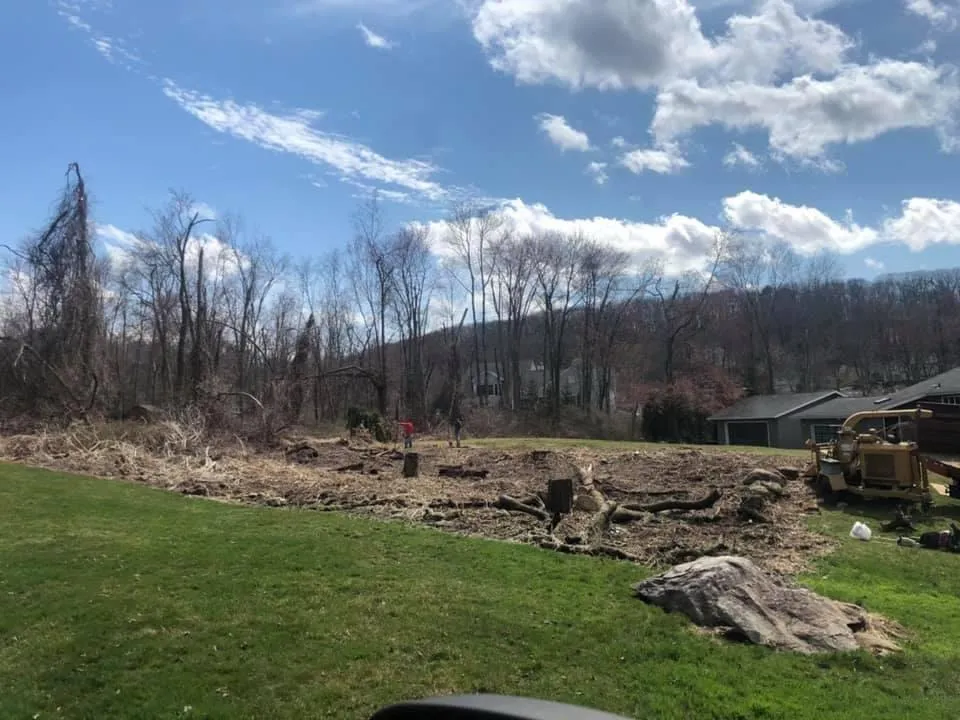
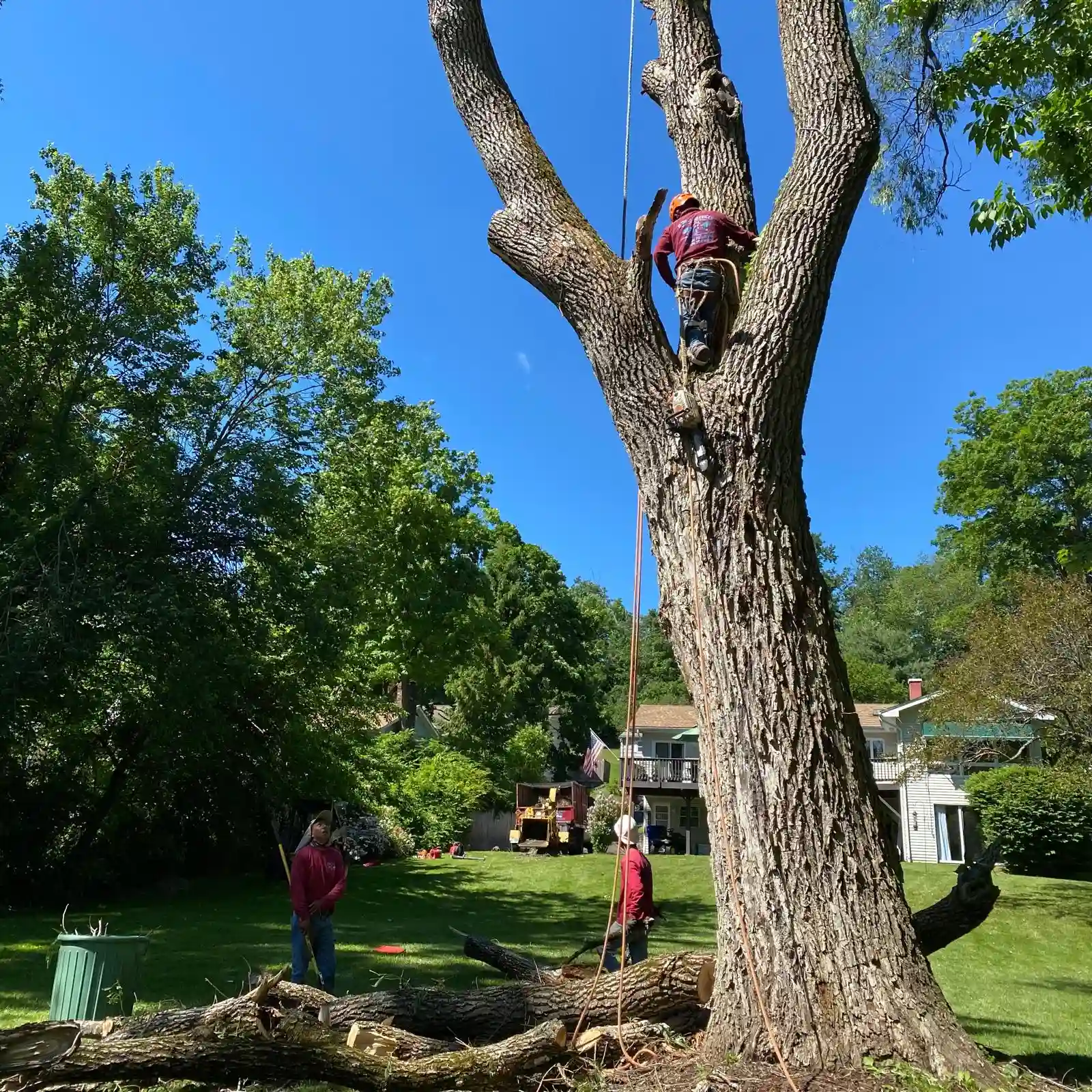
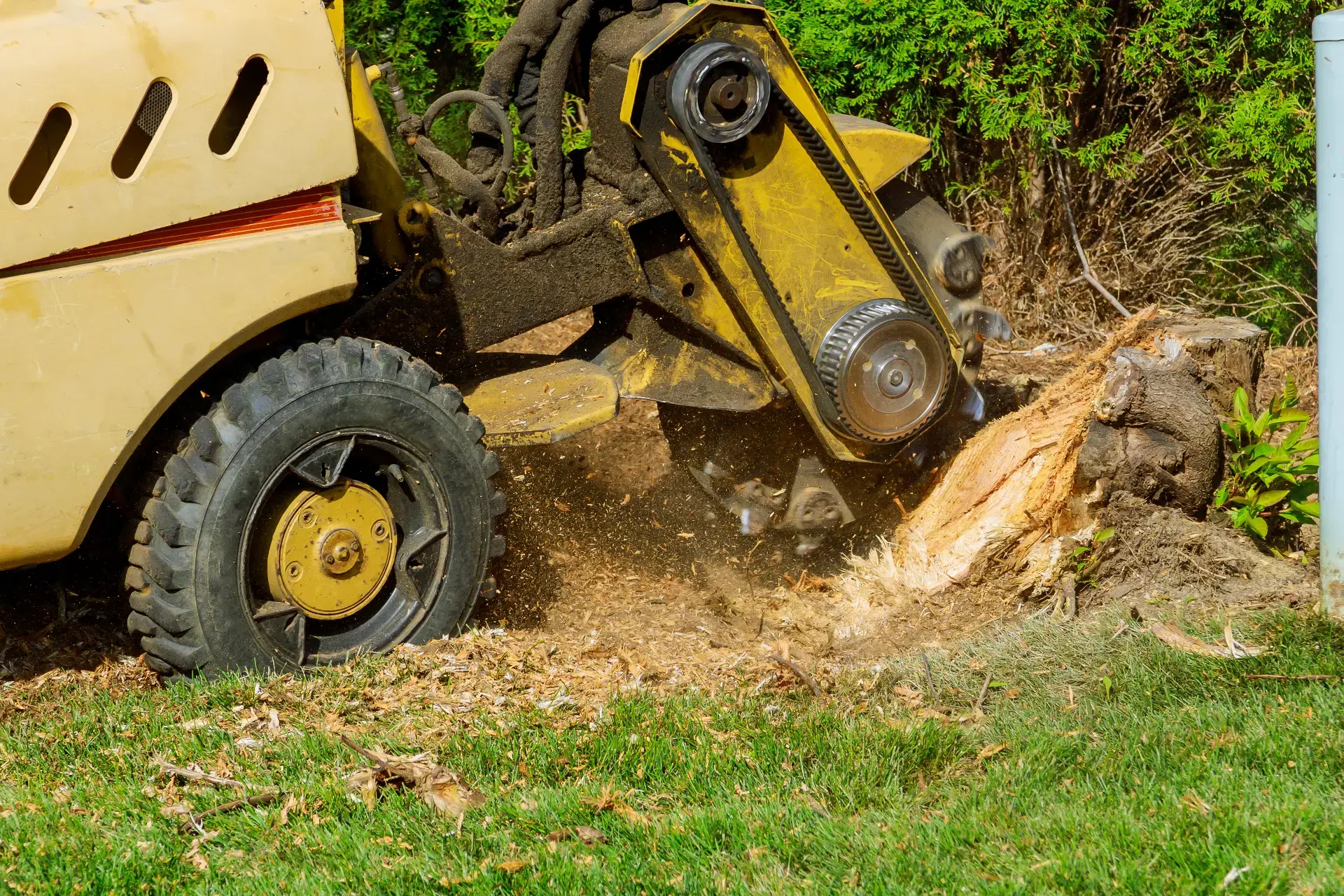
A removal leaves a gap in the yard. Replacement planting fills it with something better suited, set off the old stump location so the roots have clean soil. This is the most common planting call after a tree removal in Connecticut. Stump grinding usually happens first, so the new root ball gets clean, open soil.

Windbreak Planting 09

Windbreak Planting in Connecticut

Open fields and ridge lots take wind all winter. A windbreak of spruce or pine planted in staggered rows cuts that exposure, protects outbuildings and lowers heating loss. Farms and rural parcels in Woodbury and Brookfield use this often. Spacing and row angle get set against the prevailing northwest wind direction on the open property.

BEFORE YOU CALL

Planting Season

Here's the honest breakdown of when each option is the right call.

SPRING Spring
DETAILS Ground opens in April. Good window for bare root stock and most shrub planting work.
EARLY Early summer
DETAILS Planting still works with steady watering. Heat stress rises once the topsoil dries out.
FALL Fall
DETAILS The best window here. Roots keep growing after the leaves drop and before hard frost.
WINTER Winter
DETAILS Frozen ground stops planting. Stock gets ordered and the schedule gets set for early spring.
RED FLAGS

When aProperty Needs Planting

Watch for these signs. If any show up on your property, book an assessment.

01

A bare yard after new home construction

02

Neighbors too close for comfort in summer

03

An old tree removed and never replaced

04

Wind cutting straight through an open field

05

Foundation beds with dead or leggy shrubs

06

A driveway or walkway with no framing

BEFORE THE FIRST CUT

How a
Planting Job Runs

Every job follows a clear sequence — no surprises on the day.

01

Site and Soil

Sun, drainage, overhead wires and underground lines get checked before any species gets picked out for the spot.

02

Species Selection

Hardiness, mature size, salt tolerance and what the neighbors already have all factor into the final short list.

03

Planting Day

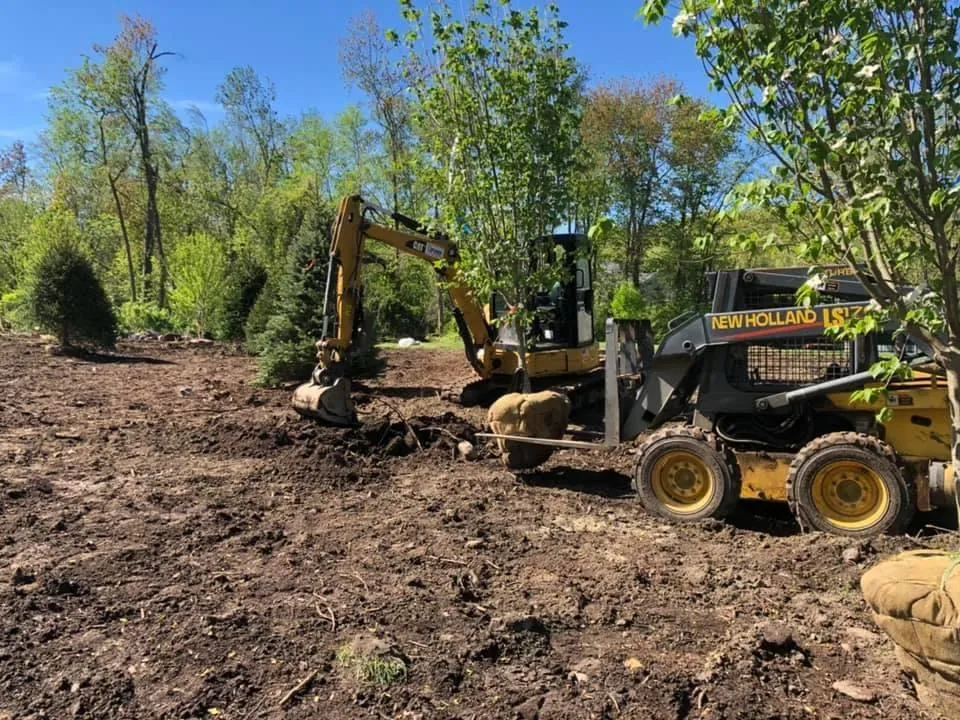
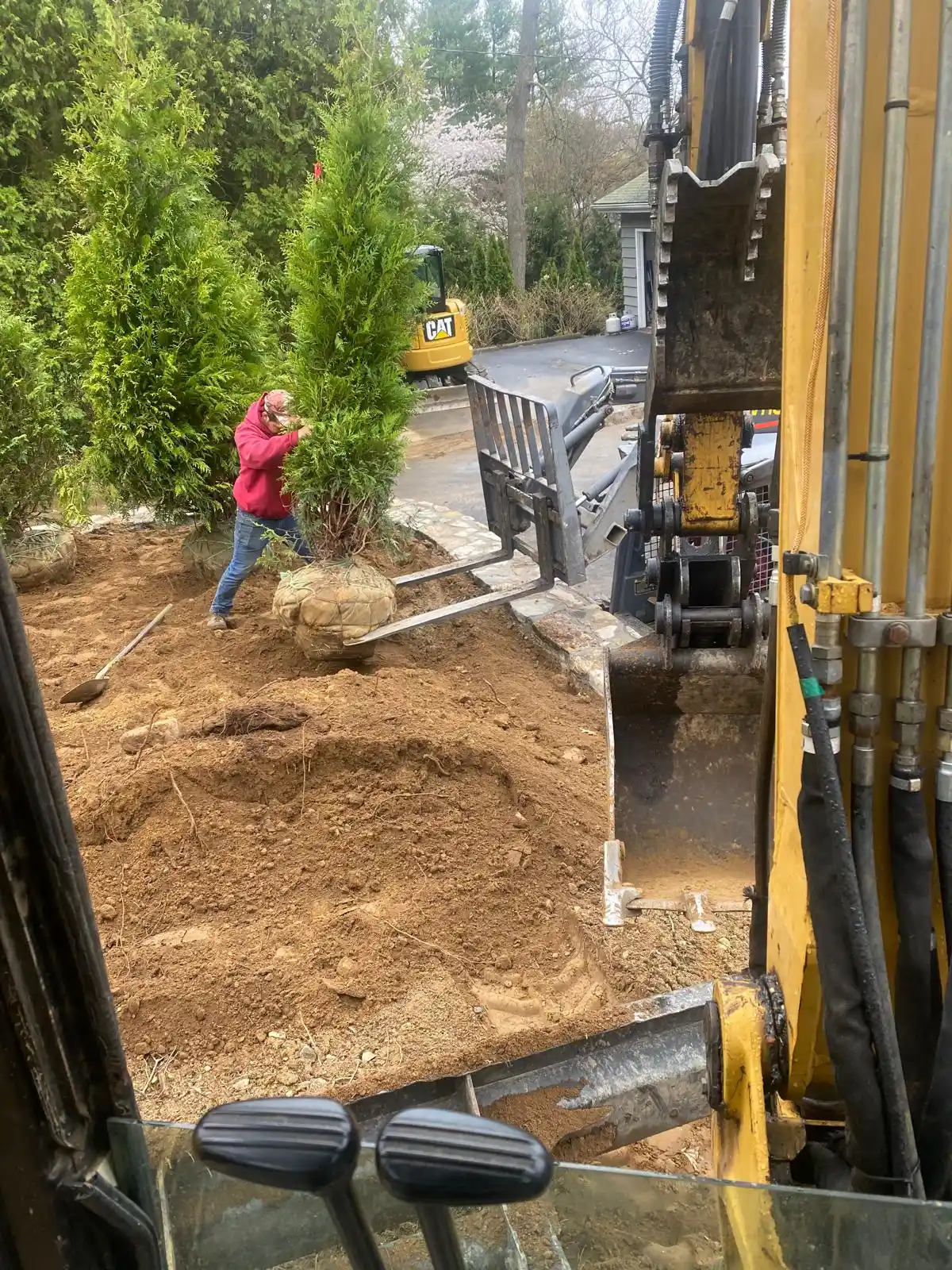
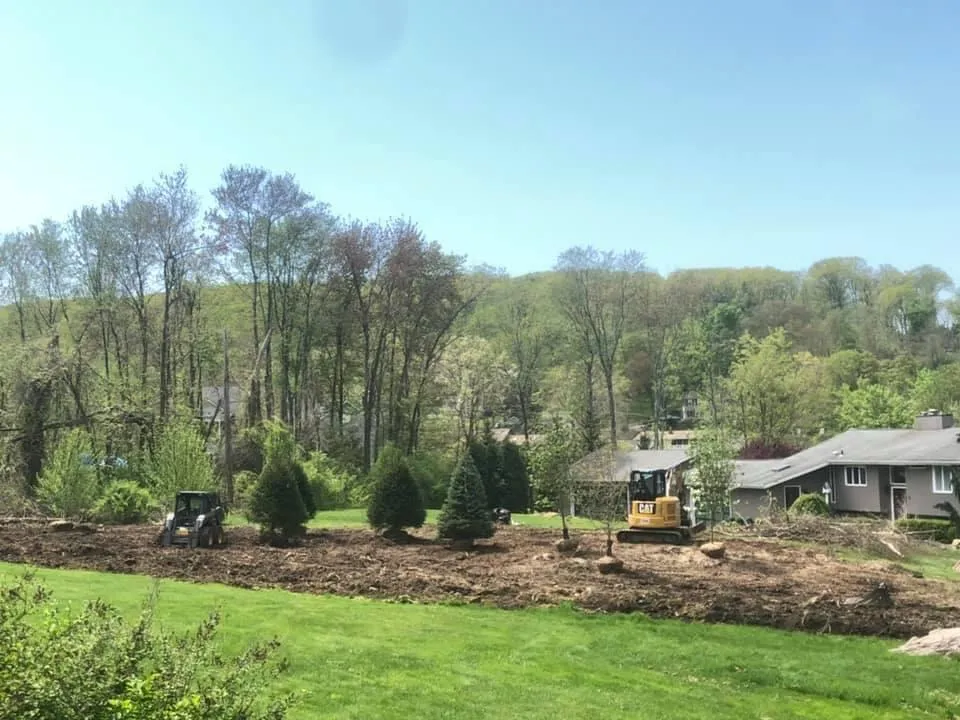
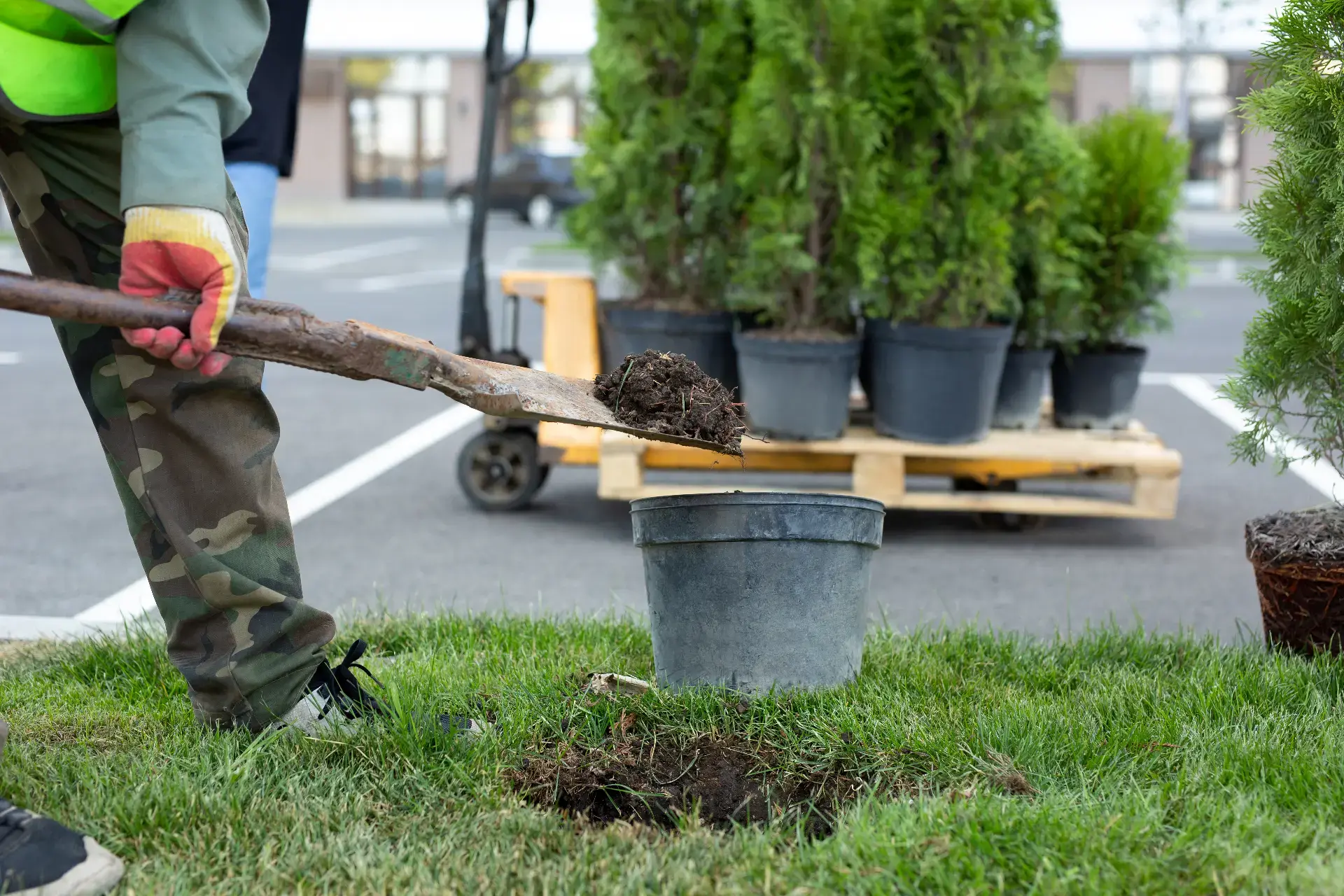
Holes get dug wide and shallow, the root flare stays visible and backfill goes in without heavy amendments.

04

Mulch and Water

A mulch ring goes down away from the trunk, and the first watering happens before the crew leaves.

WHERE THE COST COMES FROM

What Changes
a Planting Price

Every job is different. These are the factors that build the written price at your walkthrough — no hidden math.

01 Species and the nursery stock size
02 The number of trees or shrubs
03 Rock, clay or poor site drainage
04 Equipment access to the planting spot
05 Mulch, staking and any soil amendments

Free written estimates cover all of these before you agree to book.

COVERAGE AREA

Tree and Shrub Planting in Connecticut
Towns We Cover

Same crew, same standards, same cleanup in every town listed here. More Connecticut towns coming soon — see full coverage →

FREQUENTLY ASKED

Tree Planting
Questions in Connecticut

Q01 Do you supply the trees or do I?

Either way works. Most people have us source from a local nursery, so the stock is already acclimated to Connecticut winters. If you've bought the trees yourself, we'll plant what you have and set it properly at the right depth.

Q02 How big are the trees you plant?

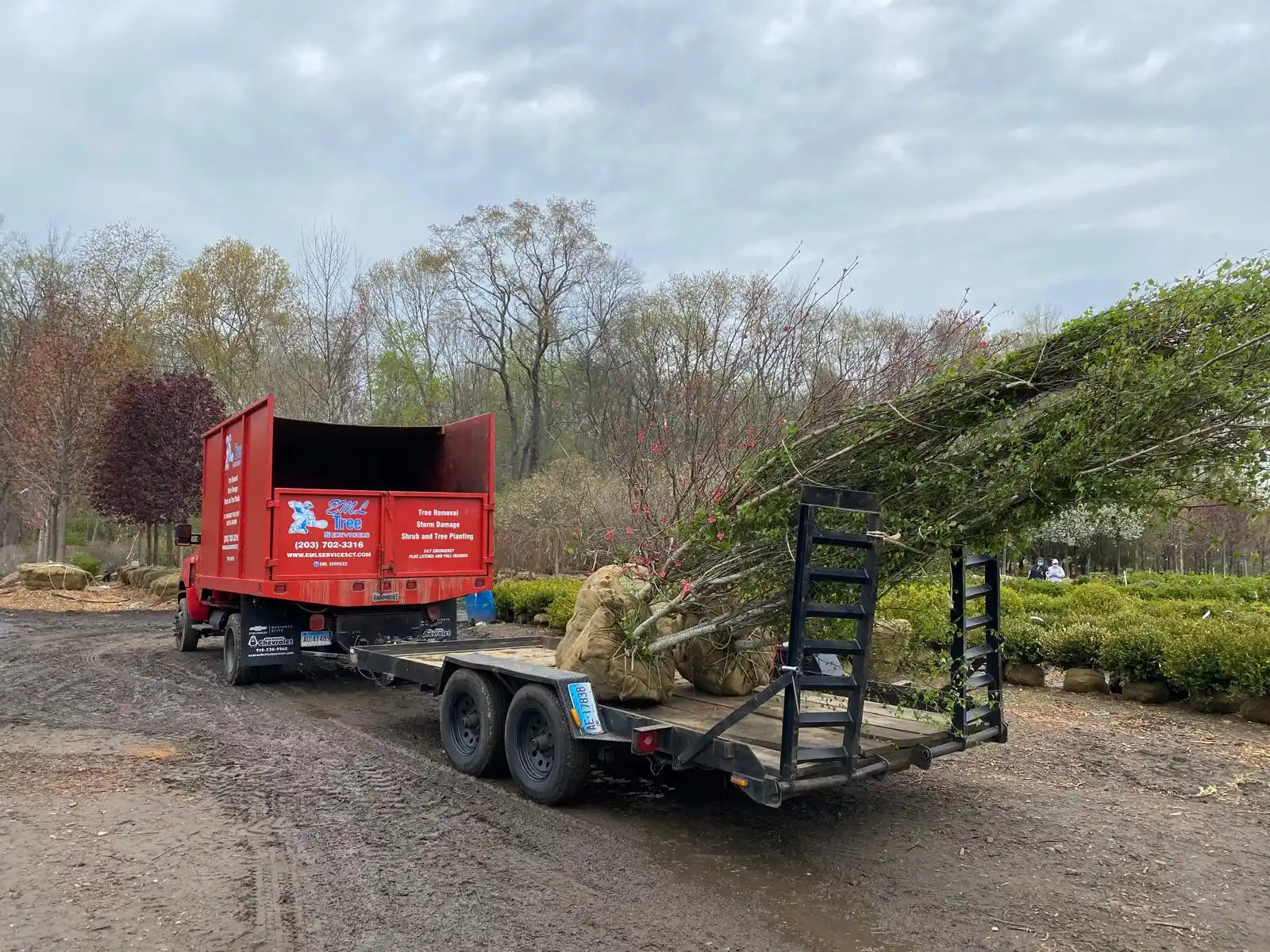
Depends on budget and access. Smaller stock, say a six to eight foot tree, establishes faster and costs less. Larger balled and burlapped stock looks finished immediately but needs equipment to move and set it in place. We'll price both.

Q03 How long until a new tree fills in?

Give it three years before judging. Year one is roots, year two is modest growth, year three is when it starts looking like it belongs there. Watering through the first two summers matters more than anything else you can do.

Q04 Who waters the tree after planting?

You do, and it's the part that decides whether the tree lives. Deep soakings a couple of times a week beat daily sprinkling. We'll leave you a simple schedule for the first season. Mulch rings help hold that moisture in.

Q05 What grows well in rocky Connecticut soil?

Most of the state is glacial till, which means rocks and drainage that varies foot to foot. Oaks, red maples, river birch and junipers handle it well. We check the hole for standing water before anything goes into the ground.

FREE ESTIMATE · NO OBLIGATION

Get a Free Planting Estimate
in Connecticut

Send the address and what you want the planting to do, screening, shade or curb appeal. A written estimate follows at no cost.

Licensed & Insured Free Written Estimates Full Cleanup Included

Request Your Free Estimate

Response within 2 hours during business days.

Best Time to Call (Optional)
Thank you! We will contact you shortly.
Sorry, there was an error. Please call (203) 702-3316.