
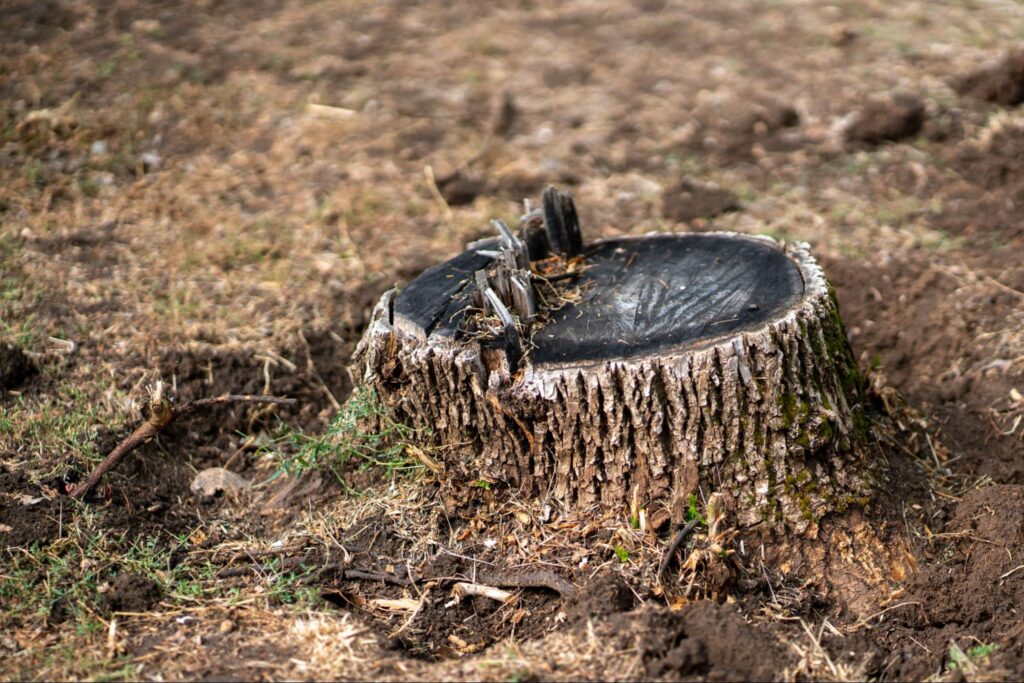
Stump grinding and stump removal solve the same problem in different ways. Stump grinding services use a specialized machine to shave the stump down below grade, turning wood into mulch while leaving the underground root system in place. Stump removal, by contrast, excavates the entire stump and primary roots, often with a backhoe or winch, creating a larger hole that must be backfilled and compacted. Both approaches eliminate a tripping hazard and clear space for new landscaping, but they differ in speed, disruption, and total root extraction.
Why Property Owners Choose Stump Grinding Services for Speed and Cost
For many homeowners, the appeal of stump grinding comes down to efficiency and budget. Because the process targets only the visible stump and just below the surface, it typically requires less equipment, less labor, and less time on site. The smaller footprint also means less damage to turf and surrounding beds, which can reduce restoration costs after the work is complete. If your goal is to reclaim lawn space quickly without a major excavation, grinding is often the most practical path forward.
When Stump Grinding Services are Not Enough for Your Goals
While grinding solves most yard needs, some projects demand more aggressive root clearance. If you plan to pour a footing, expand a driveway, or install deep utilities exactly where a tree once stood, the remaining root mass can complicate compaction and settlement. In these cases, complete removal ensures your subgrade is clean and ready for structural work. Additionally, particular species known for tenacious suckering can push up shoots from live roots; if preventing regrowth is the top priority, removal paired with root tracing may be the safer long-term choice.
How Stump Grinding Services Work From Assessment to Cleanup
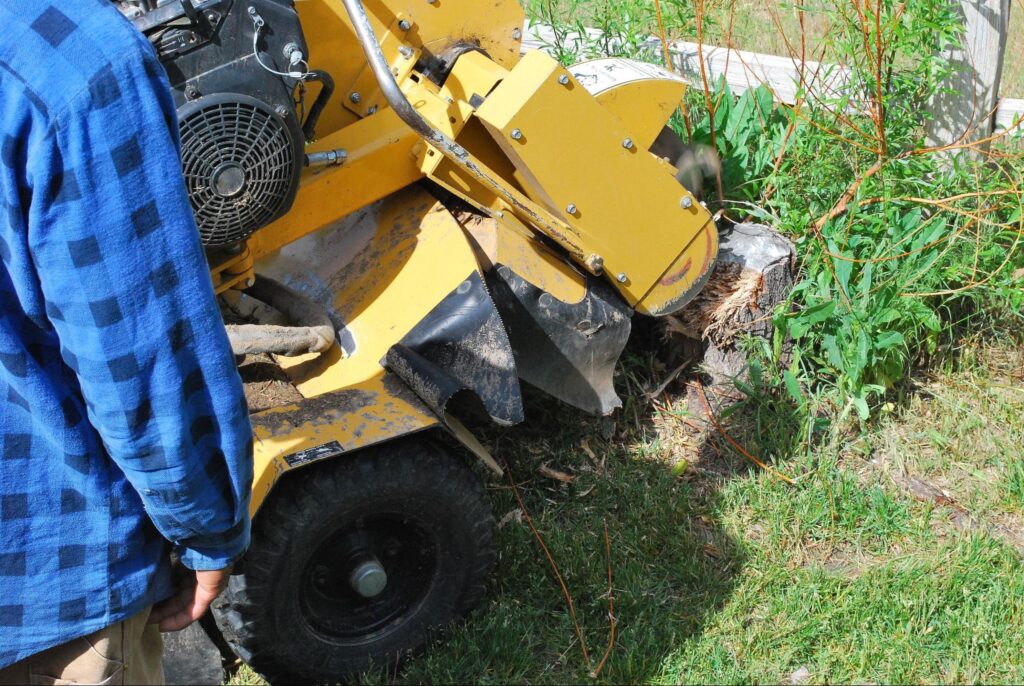
The process begins with a walkthrough to measure the stump, note species and age, and confirm access for the grinder. Crews set protection around nearby windows, hardscape, and plantings before positioning the machine. The operator makes successive passes, lowering the cutting wheel incrementally to the specified depth—commonly six to eight inches for lawn restoration and deeper for replanting or light construction. Wood chips accumulate as the stump is reduced to mulch, after which the cavity is raked, chips are either hauled away or reused on site, and the surface is graded for soil backfill and seed.
Environmental Impact of Stump Grinding Services Compared With Removal
Stump grinding services generally disturb less soil, which helps preserve topsoil structure and microbial life. Because the method leaves most roots to decompose naturally, it returns organic matter to the soil profile over time and minimizes hauling to landfills. Removal creates a larger excavation and can require trucking excavated material off-site, which increases fuel use and disposal. That said, for invasive or disease-harboring stumps, removal may better support plant health goals by reducing pathogen reservoirs and preventing unwanted sprouting in sensitive beds.
Safety, Utility Locates, and Risk Management With Stump Grinding Services
Grinding machines are powerful, and safety depends on planning and controls. Reputable providers request utility locates to identify shallow lines such as irrigation, lighting, and gas services, then set safe working distances based on depth and route. Operators maintain a stable stance, keep guards in place, and work behind debris curtains to prevent flying chips from damaging property or injuring bystanders. Clear communication and visible site boundaries help keep pets, children, and vehicles outside the active work zone until cleanup is complete.
Marking Underground Lines
Before work begins, crews verify utility marks and flag private lines to avoid contact and costly interruptions. Accurate locates let the operator choose the proper depth and approach path.
Managing Flying Debris
Shields and tarps control chip spray while careful pass angles direct material into a manageable pile. This reduces cleanup time and protects nearby siding, windows, and vehicles.
Site Restoration Options After Stump Grinding Services are Complete
Finishing the area is as crucial as the grinding itself. The cavity left by the stump is often partially filled with chips, which can be hauled away if you plan to seed or sod immediately. Many owners add screened topsoil and lightly compact it to prevent settling, then seed with straw cover or install a matching turf patch. Where a future planting bed is planned, leaving some chips as mulch can suppress weeds and retain moisture, provided nitrogen is supplemented to offset the carbon load during decomposition.
Soil Backfill and Compaction
Backfilling with clean topsoil and tamping in layers helps minimize sinkholes as residual roots decompose. A slight crown sheds water and blends the patch into the surrounding grade.
Replanting or Hardscaping
If you want a new tree, offset the planting hole several feet from the old stump zone for healthier root establishment. For patios or paths, ask for deeper grinding to facilitate base prep.
Pricing Variables that Affect Stump Grinding Services Estimates
Several factors influence the final cost: stump diameter at grade, wood hardness by species, access constraints, slope, nearby hazards, and the desired grinding depth. Wider or multi-stem stumps increase machine time, while dense hardwoods add wear and effort. Tight gates, fences, or steep terrain might require a smaller grinder or hand clearing, which lengthens the job. Depth matters too—going from lawn-level grinding to a deeper cut for replanting or paver bases adds passes that raise the price. Disposal choices, such as chip haul-off and topsoil backfill, also affect the total.
What to Ask About When Choosing a Stump Grinding Services Contractor
Selecting the right team ensures safe work and a clean finish. Ask whether crews are insured and trained for utility awareness, and confirm that estimates specify minimum grind depth, chip handling, and surface restoration. A transparent proposal with photos and measurements avoids surprises and helps you compare bids accurately. If access is tight or the site is fragile, request references for similar projects and discuss protective mats, debris curtains, and the plan for returning the area to a usable condition the same day.
Depth and Cleanup Standards
Clear standards set expectations for how far below grade the stump will be reduced and how chips will be managed. Written scope prevents misunderstanding and supports apples-to-apples comparisons.
Equipment Access and Insurance
Make sure the contractor has the right machine for your gate width and slope, and that liability and workers’ compensation coverage are current. Proper documentation protects you and your property.
Addressing Regrowth and Soil Health With Stump Grinding Services
Most species do not resprout aggressively after grinding, especially when the area is backfilled correctly and kept mowed. For species that send up suckers, periodic trimming and covering the area with turf or hardscape usually eliminates shoots over a season or two as roots exhaust stored energy. To maintain soil health where many chips were left in place, a light application of nitrogen fertilizer can balance the high-carbon mulch and support turf establishment without long delays.
Planning Stump Grinding Services for Your Property
Choosing between grinding and removal comes down to your end use, timeline, and tolerance for excavation. If you need a fast, cost-effective surface fix with minimal disruption, stump grinding services provide a clean result and straightforward restoration. If you require a construction-ready subgrade or must eliminate stubborn regrowth at the source, plan for complete extraction and more extensive backfill. Either way, a clear scope, verified utility locates, and a finish plan for soil and turf will deliver a safe, attractive outcome that supports the next phase of your landscape.
Visit the EML Tree Services blog to learn more about the key differences between stump grinding and stump removal.