
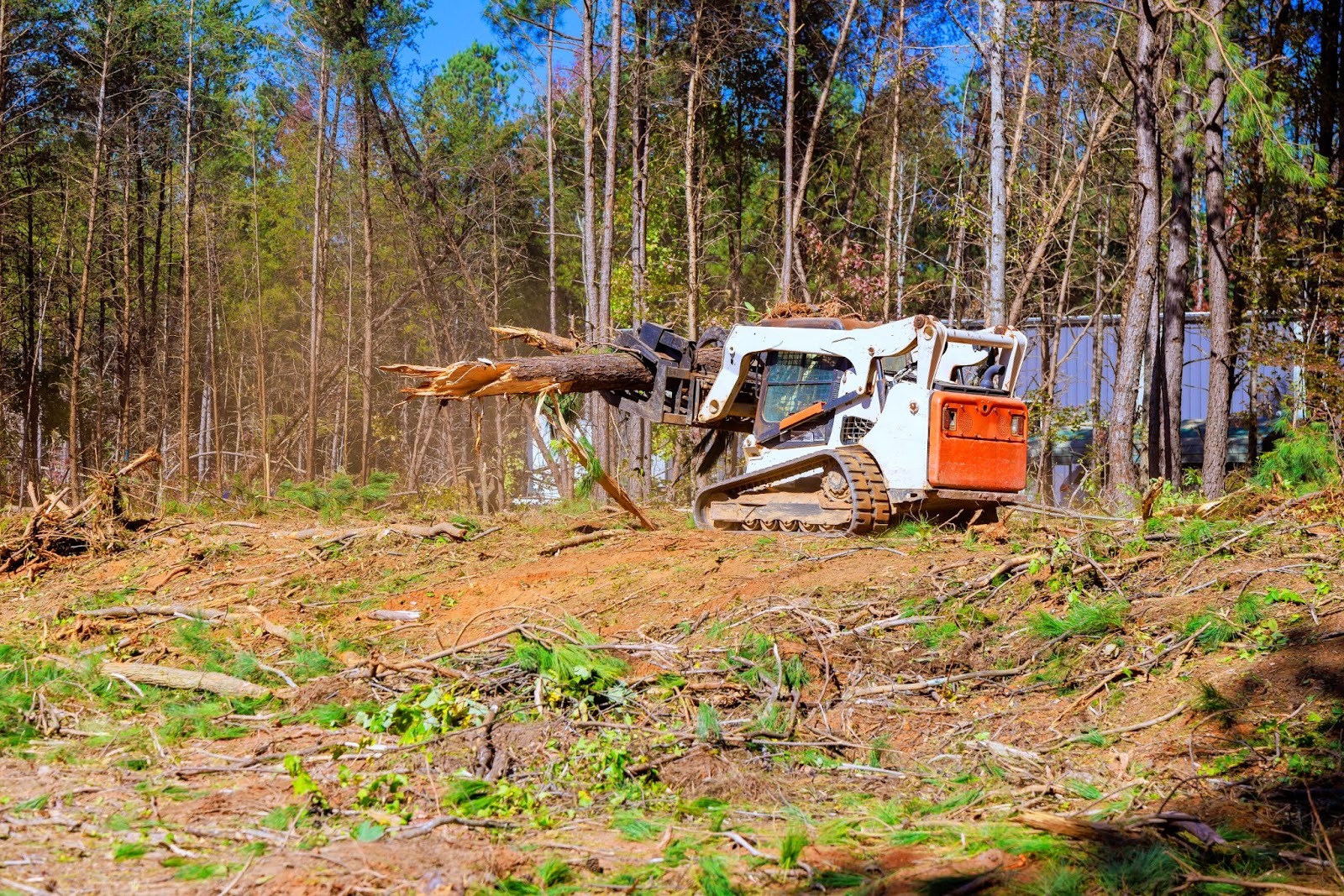
Preparing a property for construction, farming, or long-term use often begins with removing obstacles from the ground. Overgrown vegetation, buried debris, and uneven terrain can delay progress and increase costs if left unaddressed. The approach chosen for site preparation influences soil stability, drainage, and future maintenance. Early decisions shape how efficiently projects move forward and how well the land supports its intended purpose. Understanding available preparation methods helps property owners plan with clarity and confidence.
What Land Clearing Involves Today
Land clearing is the controlled removal of trees, brush, and debris to make land usable. Modern clearing balances efficiency with soil protection and regulatory compliance. Property-use goals now shape how aggressively land is cleared. These factors influence equipment choice, labor intensity, and project sequencing.
How Intended Land Use Shapes Clearing Choices
Land-clearing methods vary depending on how the property will be used. Residential projects often require smooth grading and selective tree removal to support foundations. Agricultural land focuses on root management and soil preservation for planting cycles. Commercial sites typically need deeper clearing for structural support and access roads. Each use case affects clearing depth, equipment selection, and follow-up preparation.
Environmental Factors Affecting Land Clearing
Environmental conditions inform responsible land-clearing decisions. Soil type influences how much disturbance land can tolerate. Water runoff patterns affect erosion risk after vegetation removal. Wildlife habitats and protected areas may restrict the intensity of clearing. Ignoring these factors often leads to compliance issues and land degradation.
Permits and Regulations in Clearing Projects
Land clearing often requires permits from local authorities. Tree protection laws and zoning rules limit the methods for removing trees. Wetlands and conservation areas require special handling. Failing to secure approvals can stop projects midstream. Professional assessments help identify requirements early. Clear documentation supports smoother inspections.
Mechanical Land Clearing Methods Explained
Mechanical land clearing uses heavy equipment to quickly remove vegetation. This approach works well for expansive or heavily overgrown properties. Equipment choice determines speed, soil impact, and cost. Proper operation reduces unnecessary ground disturbance.
Bulldozing for Large-Scale Clearing
Bulldozing clears wide areas by pushing vegetation and debris aside. This method is suitable for flat land with dense tree cover. Operators remove surface growth rapidly, shortening project timelines. However, bulldozers disturb topsoil extensively. Soil compaction often follows repeated passes. Grading becomes necessary after clearing.
Excavators for Targeted Land Removal
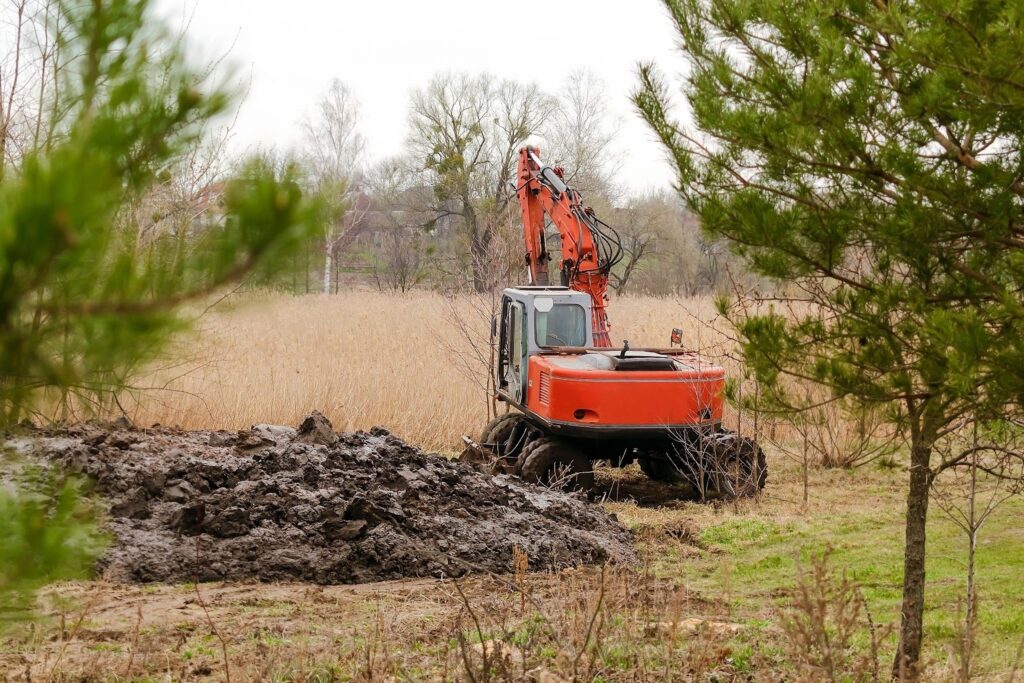
Excavators provide precision when clearing uneven or sensitive areas. Their arms remove trees with roots intact. This control limits soil disruption compared to bulldozing. Excavators also support trenching and drainage work. Operators adjust depth for site conditions. This method fits mixed-use developments.
Grading Equipment for Final Land Preparation
Grading smooths the land after vegetation removal. This process corrects slopes and drainage patterns. Proper grading prevents water pooling and erosion. Operators spread soil evenly across cleared areas. This step prepares land for construction or planting. Skipping grading leads to long-term stability issues.
Alternative Vegetation Removal Approaches
Not every property requires heavy machinery or large-scale ground disturbance to become usable. Some situations require targeted techniques to manage growth while preserving soil stability and surrounding features. These approaches focus on control, precision, or gradual improvement rather than full surface removal. Understanding how each method works helps property owners choose solutions that align with land size, terrain, and long-term management goals.
HForestry Mulching as a Clearing Solution
Forestry mulching removes unwanted vegetation while preserving the soil’s integrity. Specialized machines grind trees, brush, and undergrowth on site. This process avoids hauling debris off-site, reducing cleanup time and disposal costs. Mulching also helps regulate moisture levels and protects exposed soil from erosion.
How Forestry Mulching Equipment Works
Forestry mulching equipment mounts onto skid steers or tractors designed for rough terrain. A rotating drum fitted with cutting teeth shreds vegetation into small fragments. Operators adjust cutting depth to avoid unnecessary soil disturbance. The processed material spreads evenly across the surface. This mulch layer suppresses weed regrowth and slows erosion. The equipment performs well on slopes, in wooded areas, and on uneven ground.
Benefits of Mulching Over Traditional Clearing
Mulching keeps organic material on the ground instead of removing it. As this material decomposes, it returns nutrients to the soil. Reduced exposure limits, runoff, and surface degradation after clearing. Projects often move faster since there is no debris hauling. Equipment noise remains lower than that of large-scale mechanical clearing. These benefits make mulching practical for residential, agricultural, and rural properties.
Best Uses for Forestry Mulching
Forestry mulching is well-suited to ongoing property maintenance and land restoration. Fence lines, access paths, and recreational land benefit from selective vegetation control. Overgrown parcels regain functionality without aggressive soil disruption. This method struggles with oversized trees or heavily rocky ground. In those cases, combining mulching with other techniques improves results. Site evaluations help determine suitability before work begins.
Chemical Methods Used in Land Clearing
Chemical vegetation control manages growth through targeted treatments rather than physical removal. This approach focuses on limiting regrowth after initial site preparation. Results develop gradually instead of immediately. Careful planning helps protect surrounding plants and soil health.
Selective Herbicide Application
Selective herbicides target specific plant species while leaving desirable growth untouched. This approach controls invasive or persistent vegetation without disturbing the soil surface. Applications are often performed after mechanical or manual removal. Timing plays a key role in treatment effectiveness. Incorrect application can damage nearby plants. Professional oversight improves safety and accuracy.
Advantages and Drawbacks of Chemical Clearing
Chemical methods reduce the need for heavy equipment and manual labor. Soil structure remains stable throughout the treatment period. However, visible results take longer to appear. Weather conditions influence absorption and performance. Regulations restrict product types and application rates. Combining chemical control with other methods often improves overall effectiveness.
Controlled Burning for Vegetation Removal
Controlled burning removes surface vegetation using carefully planned fire. This method is suited to specific climates, land types, and regulatory environments. Trained professionals manage each burn under defined conditions. Safety and compliance guide every phase of the process.
How Prescribed Burns Are Managed
Crews plan prescribed burns based on weather, humidity, and fuel levels. Firebreaks contain flames within approved boundaries. Teams monitor smoke movement and fire behavior throughout the burn. Local agencies coordinate permits and oversight. Post-burn inspections assess remaining debris and effectiveness. Experience plays a critical role in reducing risk.

Benefits and Risks of Controlled Burning
Fire efficiently clears surface debris across large areas. Ash deposits return nutrients to the soil. Burning also helps control pests and invasive plants. Costs remain lower for open land with minimal structures. Risks increase without trained crews and planning. Strict oversight remains necessary for safe execution.
Manual Land Clearing for Small Properties
Manual vegetation removal relies on labor and handheld tools. This approach is suitable for compact areas or environmentally sensitive sites. Precision remains its strongest advantage. Time and effort increase as land size grows.
Hand Tools for Brush Removal
Hand tools such as axes, machetes, and pruners allow selective vegetation control. Workers remove growth with minimal soil disruption. This method is suitable for gardens, small lots, and landscaped areas. Labor demands remain high compared to machinery. Dense growth extends project timelines. Precision often outweighs slower progress.
Chainsaw-Based Tree Removal
Chainsaws handle small to medium tree removal efficiently. Operators cut trees in controlled sections to manage fall direction. Proper safety training remains essential during operation. This method pairs well with manual brush clearing. Debris still requires processing or removal. Chainsaws support accuracy-focused projects.
How to Choose the Right Land Clearing Method
Choosing a clearing method requires careful evaluation. Property size, vegetation, and future use matter. Budget and timeline influence decisions. Balanced planning improves outcomes.
Evaluate Property Conditions
Large properties favor mechanical methods. Dense forests require powerful equipment. Light brush allows flexible approaches. Terrain slope affects access. Accurate assessments prevent inefficiency. Professional evaluations add clarity.
Align Clearing Methods With Goals
Construction requires stable, graded land—agriculture benefits from soil-friendly techniques. Conservation areas need minimal disturbance. Method alignment reduces maintenance. Long-term planning protects value. Proper selection avoids repeat clearing.
Consider the Costs in Clearing Projects
Equipment-heavy methods increase upfront costs. Manual labor raises time expenses: mulching balances cost and soil benefits. Chemical methods delay visible results. Budget planning prevents overruns. Full cost comparisons matter.
Professional Land Clearing Services and Expertise
Professional land clearing services combine technical knowledge, specialized equipment, and regulatory awareness to manage vegetation efficiently. These services deliver consistent results for residential, agricultural, and commercial projects. Experienced providers assess land conditions before selecting appropriate methods. This expertise reduces risk, delays, and unnecessary soil disruption.
Benefits of Hiring Experienced Clearing Professionals
Experienced land-clearing professionals bring practical knowledge from diverse site conditions. This experience helps them anticipate challenges such as soil instability or access limitations. Licensed operators follow safety standards that reduce property owners’ liability. Their familiarity with local regulations helps prevent compliance issues. Access to specialized equipment improves efficiency and consistency. These advantages support smoother project execution from start to finish.
What Happens During a Professional Clearing Project
A professional clearing project begins with a site evaluation and method selection. Contractors outline timelines, equipment use, and safety measures before work starts. Crews prepare the site to protect surrounding areas and existing structures. Clearing progresses in planned stages to control disruption. Ongoing updates keep property owners informed of progress. Final inspections confirm that clearing goals align with intended land use.
How Professional Clearing Services Add Value
Professional providers evaluate terrain, vegetation density, and land use goals before work begins. This planning helps match the right clearing method to the site conditions. Licensed crews operate equipment safely and in accordance with local regulations. Proper execution limits environmental impact and protects nearby structures. Equipment access shortens project timelines and controls costs. Consistent communication keeps property owners informed throughout the process.
Align Land Clearing With Your Property Goals
Land clearing works best when it reflects how the property will be used now and how it will be managed later. Choosing methods based on terrain, vegetation, and intended use helps avoid costly adjustments later. Thoughtful preparation supports safer construction, healthier soil conditions, and smoother long-term maintenance. When decisions align with clear objectives, the land becomes an asset that performs as expected rather than a problem to correct later.
Continue learning how informed land decisions support better outcomes by visiting the EML Tree Services blog, where expertise meets practical application.